SolarEdge Inverter Warranty: What It Covers and Who Replaces a Failed Inverter in California (2026)
SolarEdge's limited warranty covers inverter hardware for 12 years and power optimizers for 25 years — but the homeowner is responsible for arranging and paying a licensed contractor to swap a failed unit.
By Taylor Crouse — Founder, Helios Energy GlobalPublished
Quick answer
- SolarEdge's limited warranty covers inverter hardware defects for 12 years (extendable to 20 or 25 years) and power optimizer hardware for 25 years.
- The warranty covers the replacement unit and shipping — but not the labor to remove the old inverter or install the new one; that cost falls on you, the homeowner.
- SolarEdge targets shipping a replacement within ~48 hours of approving an RMA claim.
- The warranty is transferable to a new homeowner if you sell your house, with no change to the remaining term.
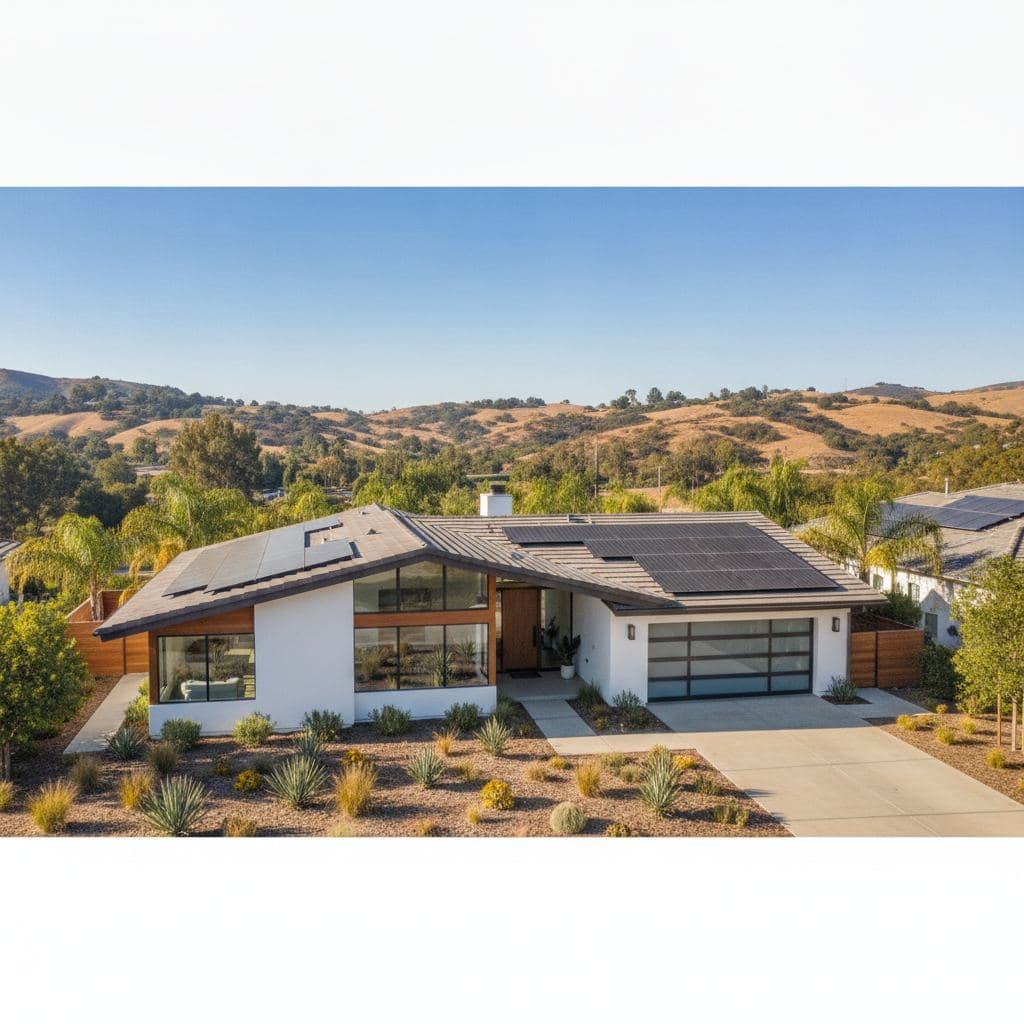
SolarEdge's Limited Product Warranty (effective April 15, 2026) covers defects in materials and workmanship: 12 years on inverters and 25 years on power optimizers. The catch that surprises most California homeowners: SolarEdge ships a replacement unit at its cost, but all labor to uninstall the failed inverter and install the new one is your responsibility to arrange and pay.
Last verified: October 2026 by Helios Energy Global.
What the SolarEdge warranty actually covers
SolarEdge's Limited Product Warranty (effective April 15, 2026) covers defects in workmanship and materials of listed products for the applicable warranty period. The two headline numbers for residential systems are:
Inverters — 12 years. The warranty period begins on the earlier of: (i) 4 months from the date the products are shipped from SolarEdge, or (ii) the installation of the products.
Power optimizers — 25 years, on the same start-date logic.
In most cases, SolarEdge offers a 12-year limited warranty for inverters, extendable to 25 years for an additional cost, a 25-year limited warranty for power optimizers, and a 10-year limited warranty for residential batteries and storage solutions.
SolarEdge's limited warranties cover defects in materials and workmanship of products under normal use and service conditions. That means manufacturing faults and component failures — not physical damage, lightning strikes, flooding, pest damage, or other events outside normal operating conditions.
What the warranty does NOT cover: labor
This is the number-one misunderstanding. All costs, including labor, travel, and boarding costs of SolarEdge service personnel or others incurred for labor relating to repairs, uninstalling, and reinstalling of products on-site, as well as costs related to buyer's employees and contractors' repair or replacement activities, are not covered by the Limited Warranty and shall be borne by the buyer.
In plain English: SolarEdge pays for the replacement inverter and its shipping. You pay a licensed California solar contractor to swap it. For context on what that swap typically runs, see our guide to solar inverter replacement cost in California.
Monitoring connection is a warranty condition
In order to provide the Limited Warranty for the full warranty period, SolarEdge requires the ability to remotely monitor and update the product through remote firmware updates. The buyer acknowledges that remote monitoring and updates may temporarily interrupt the operation of the product, and that connection to the monitoring platform may be critical for the functionality of the product. Keep your inverter connected to the SolarEdge Monitoring Portal — losing that connection can jeopardize your coverage.
Warranty periods and extension options at a glance
| Component | Standard Term | Extended Option | Labor Covered? |
|---|---|---|---|
| SolarEdge inverter | 12 years | 20 or 25 years (paid) | No |
| SolarEdge power optimizer | 25 years | None needed | No |
| SolarEdge Home Battery | 10 years | — | No |
| Installer workmanship (varies) | 5–10 years (typical) | Varies | Yes (installer) |
Terms apply to products purchased from SolarEdge or an authorized seller. Extension must be purchased within 24 months of inverter shipment.
Extending the inverter warranty
The SolarEdge inverter warranty is extendable to 20 or 25 years, depending on inverter model.
The warranty extension is available with a one-time payment fee and must be purchased within 24 months of inverter shipment from SolarEdge.
The inverter warranty extension applies to the inverter only and does not apply to any built-in communication accessories.
If your system was installed recently and you want coverage that matches your 25-year panel warranty, ask your installer about the extension at the time of purchase — it's far cheaper to add it upfront than to scramble for it later.
How the SolarEdge RMA process works
RMA stands for Return Merchandise Authorization — it's SolarEdge's formal process for handling a warranty claim on a failed inverter or optimizer.
Step 1 — Identify the failure
Your SolarEdge monitoring portal will typically show an error code or alert before the inverter goes completely dark. Have these three things ready before you call or submit a ticket:
- Serial number — printed on the inverter label; also visible in the monitoring portal
- Error code — shown in the app or portal dashboard
- Monitoring portal access — SolarEdge's support team will review your system's remote data to confirm the fault
Without monitoring portal login credentials, a solar system can underperform or stop working for extended periods before anyone realizes it. If you've never set up monitoring access, do it now — before a problem occurs.
Step 2 — Open a support case with SolarEdge
Contact SolarEdge support directly at solaredge.com or through your installer. After receiving notification from the buyer, SolarEdge will determine whether or not the reported defect is eligible for coverage under the Limited Warranty.
The product's serial number must be legible and properly attached to the product in order to be eligible for coverage.
Step 3 — SolarEdge approves and ships a replacement
SolarEdge manages a rapid RMA process and generally ships a replacement unit within 48 hours, if the reported defect is eligible for coverage under the Limited Product Warranty.
SolarEdge may use new, used, or refurbished parts that are at least functionally equivalent to the original part when making warranty repairs.
For newer Home Wave and Home Hub inverter models, note that starting October 1, 2024, SolarEdge no longer accepts returns of defective Home Wave and Home Hub inverters — instead, you recycle them locally. The warranty remedy (replacement unit) remains the same; only the return logistics changed.
Step 4 — Hire a licensed contractor to install the replacement
Once the replacement unit arrives, you need a licensed California solar contractor (C-46 or C-10 electrical license) to remove the failed inverter and commission the new one. This is the labor cost the warranty does not cover. The technician will use SolarEdge Go to recommission the system and update the monitoring portal with the new serial number.
If the replacement is a newer design, the job may require extra parts or rewiring adjustments, adding labor costs even if the inverter itself is free.
For replacement cost ranges, see our dedicated guide at /guides/solar-inverter-replacement-cost-california. Our solar repair and maintenance page covers what to expect from a service visit in Southern California.
What to do when your original installer has closed
This is a real scenario in California — several large installers have shut down in recent years. The good news: a manufacturer's equipment warranty and an installer's labor warranty are often separate, meaning an installer going out of business does not necessarily mean a broken system cannot be repaired.
Here's the practical path:
- Your SolarEdge hardware warranty is still valid. It runs with the equipment, not with your installer. Open the RMA directly with SolarEdge.
- Find a new licensed contractor. Any California-licensed solar contractor can perform the physical swap and recommission the system. They don't need to be your original installer.
- Transfer monitoring access. A new contractor will typically ask you to transfer monitoring portal access to their account so they can see your system history online, then open the case and get the inverter ordered. If you don't have login credentials, contact SolarEdge support with proof of ownership.
- Budget for labor. Without an original installer's workmanship warranty in force, you'll pay the full swap labor out of pocket. Get quotes from at least two licensed contractors.
If you're in Southern California and your installer is no longer reachable, contact Helios — we handle third-party system service and can open an RMA on your behalf.
Does the warranty transfer when you sell your home?
Yes. The Limited Warranty may be transferred from the buyer to any assignee and will remain in effect for the remaining warranty period, provided that the products are not moved outside their original country of installation.
The practical steps at sale:
- Update the monitoring portal with the new owner's information, or contact SolarEdge support with proof of the property transfer.
- Hand over all documentation — original purchase contract, warranty registration confirmation, and any extension purchase receipts.
The warranty is tied to the system's serial number, so updating ownership ensures continued coverage.
Contact the manufacturer directly with the system's serial numbers, proof of sale, and closing documentation. Many manufacturers require the transfer request within 30 to 90 days of closing. Check SolarEdge's current warranty transfer page (solaredge.com/us/warranty-check) for the exact form.
A transferred SolarEdge warranty is a genuine selling point: a buyer inheriting a system with 8 years of inverter warranty and 18 years of optimizer warranty remaining has real protection — and that adds value to your home.
SCE vs. LADWP: does your utility affect any of this?
The SolarEdge warranty itself is the same regardless of your utility. But your utility does affect how costly a downtime event is, which shapes how urgently you should act on a failed inverter.
- SCE customers face an average rate of ~34–35¢/kWh, with peak charges reaching ~48–58¢/kWh between 4–9 PM under TOU-D-PRIME. A failed inverter during a summer month can mean a large bill swing fast. NEM 3.0 (the Net Billing Tariff) applies to SCE — see our NEM 3.0 guide for how export credits work.
- LADWP customers pay an effective rate of ~26–31¢/kWh and are not on NEM 3.0. LADWP still offers retail-rate net metering, so a downed inverter costs you both lost generation and lost export credit at retail rates.
- SDG&E customers face the highest average rates in Southern California (~46¢/kWh), making inverter downtime especially expensive — an added reason to keep monitoring active and act on alerts quickly.
For a deeper look at how inverter type affects system design and warranty strategy, see our guide to microinverters vs. string inverters and our overview of solar panel warranties explained.
Frequently asked questions about the SolarEdge warranty
Does SolarEdge pay for labor when they replace my inverter?
Most solar inverter warranties cover replacement parts, though labor represents a separate matter. Manufacturers like SolarEdge typically ship replacement units under warranty but assign labor costs — such as uninstalling and reinstalling inverters — to homeowners. SolarEdge's own warranty document confirms this explicitly: all on-site labor costs are borne by the buyer unless otherwise agreed in writing.
How long does the SolarEdge RMA process take in practice?
SolarEdge states it generally ships a replacement within 48 hours of approving an eligible claim. Total turnaround — from opening a ticket to having a licensed contractor complete the swap — typically runs one to four weeks, depending on how quickly the defect is confirmed and how fast you can schedule a contractor. Keeping your monitoring portal connected speeds up the diagnostic step considerably.
Can I submit an RMA directly, or does it have to go through my installer?
You can contact SolarEdge support directly. However, having your installer or a licensed service contractor involved often speeds things up, since they can pull system data from the monitoring portal and communicate in technical terms SolarEdge's support team expects. If your original installer is gone, a new contractor can open the case on your behalf once you transfer monitoring access.
What happens to my warranty if I add a battery or make changes to my system?
Modifications that fall outside SolarEdge's installation guidelines — or that are performed by an unlicensed contractor — can void warranty coverage on affected components. Always use a licensed California solar contractor (C-46 or C-10) and confirm with SolarEdge before making significant system changes. Adding a battery through a separate, compatible system generally doesn't affect the inverter warranty, but check the current warranty document for specifics.
Does the SolarEdge warranty cover power optimizers separately from the inverter?
Yes — they are separate warranties with different terms. SolarEdge currently provides a 12-year limited warranty on its inverters and 25 years on power optimizers. If an optimizer fails, SolarEdge handles it under the 25-year term; if the inverter fails, the 12-year term applies (unless you purchased an extension). A failed optimizer does not consume your inverter warranty, and vice versa.
Is there a SolarEdge service plan that does cover labor?
SolarEdge's Power Care plan is a separate service plan, not an extension of your SolarEdge warranty. Power Care's Premium tier adds free on-site equipment replacement and $0 labor costs for incidents covered. Ask about Power Care at the time of system purchase — it must be purchased within a limited window after installation.
What if SolarEdge goes out of business — is my warranty still valid?
SolarEdge is a publicly traded company (Nasdaq: SEDG). If a manufacturer were to close, manufacturer warranties generally become difficult or impossible to enforce — which is one reason a strong installer workmanship warranty and an independent service plan matter. For a broader look at how to evaluate all the warranties in a solar contract, see our solar panel warranties explained guide.
Next steps
- Book a free consultation and custom design — Helios gives you one all-in written price with every model named, so you know exactly what warranty terms apply to your system before you sign.
- Explore battery storage options — pairing storage with your solar system keeps power flowing even when the grid is down, independent of inverter uptime.
- Learn how NEM 3.0 affects your system value — if you're on SCE, understanding export credits helps you quantify the real cost of inverter downtime.
- Read our microinverters vs. string inverters guide — if you're weighing SolarEdge against Enphase, warranty structure is one of the key differences.
- Solar repair and maintenance in Southern California — what a service visit looks like and how to find a licensed contractor if your original installer is gone.
- See our full solar guide library — including a deep dive on all the warranties in a typical California solar contract.
Sources
- SolarEdge Limited Product Warranty, Effective April 15, 2026 — April 15, 2026
- SolarEdge Technologies 2026 Annual Report (SEC 10-K) — March 1, 2026
- SolarEdge Inverter Warranty Extension Page — January 4, 2025
- GreenLancer Solar Inverter Warranty Guide — September 15, 2026
- SolarEdge Single SKU Service & RMA Application Note v1.1 — October 1, 2025
More guides
Best Solar Companies in Castaic, CA (2026): A Straight-Talking Guide for SCE Homeowners
Castaic homeowners face a real fire-risk reality, SCE's NEM 3.0 export rules, and strong inland sun — this guide ranks the 10 best solar installers for 2026 and tells you exactly what to ask before signing.
ReadShould You Replace Your Roof Before or With Solar in 2026?
If your roof has fewer than ~10 years of life left, replace it before — or ideally at the same time as — your solar install to avoid a $5,000–$10,500 panel removal and reinstall bill later.
ReadTile roof solar installation: what SoCal homeowners should know
Tile roof solar adds $500–$1,500 in labor vs. shingle, but the right mounting hardware and a relay-vs-replace decision upfront protect both your roof and your investment.
ReadGet a free consultation and custom design.
No pressure, no obligation — the owner reviews every design we send.