Battery storageSDG&E
The best battery backup for SDG&E homes
San Diego Gas & Electric charges the highest average residential rates of any major utility in America — about 46¢/kWh — while paying a few cents for NEM 3.0 exports. Nowhere is the gap between what your surplus earns and what your consumption costs wider, which makes SDG&E territory the fastest battery payback we model. And uniquely, the region's CCA stacks real money on top: San Diego Community Power's Solar Battery Savings program pays $250–$500 per kWh upfront plus ongoing performance payments for exactly the evening dispatch a good battery runs anyway.
The SDG&E verdict: the strongest battery case in the country
Design for total evening self-coverage: at 46¢+ retail, every stored kilowatt-hour deployed between 4 and 9 PM is the most valuable battery work in the nation. Most homes: one unit covering the evening; larger or all-electric homes: two. SDCP member-city homes should treat program enrollment as part of the install, not an afterthought — the five-year performance payments reward the same dispatch pattern the TOU math already wants.
The three batteries we install on SDG&E, honestly ranked by fit
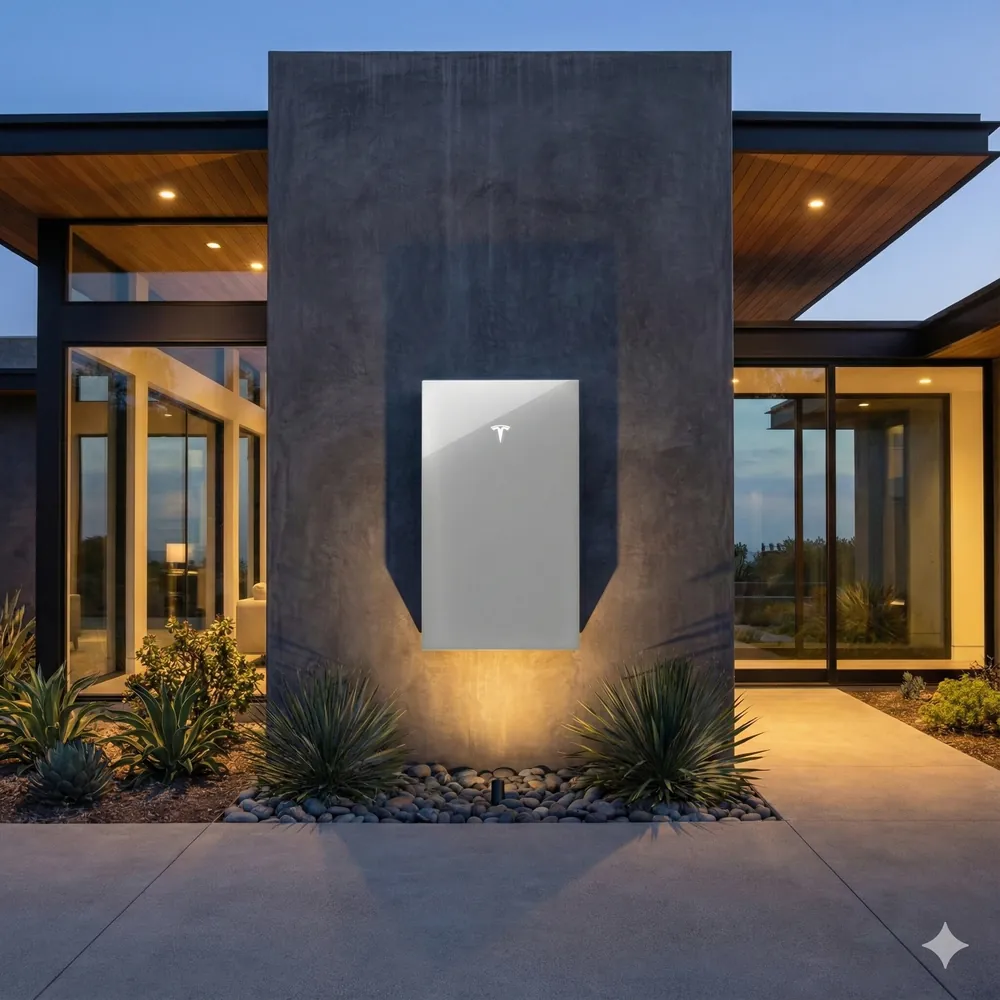
Tesla Powerwall 3
The default: capacity, integrated inverter, and scheduling that executes the 4–9 PM dispatch SDCP pays for. Best overall fit for most SDG&E homes.
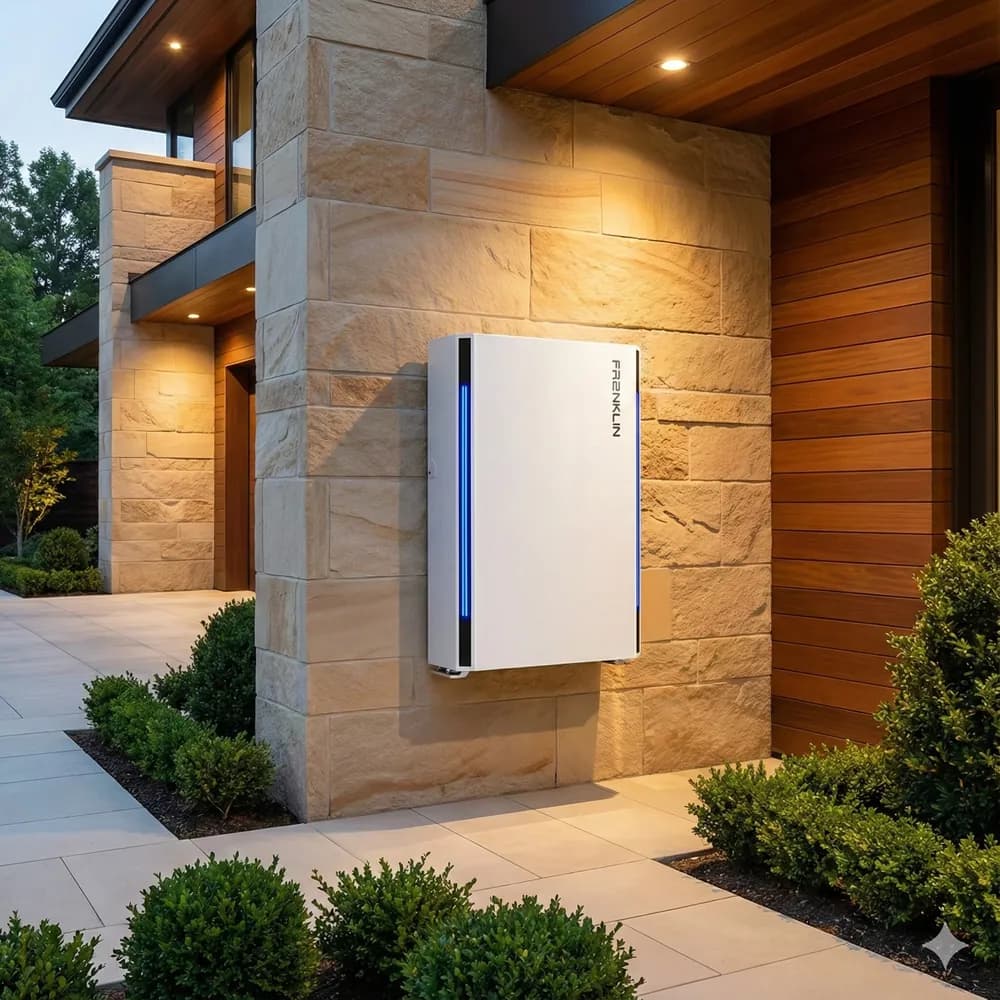
FranklinWH aPower
The whole-home pick for larger coastal and inland homes — intelligent load management stretches runtime when backup matters.
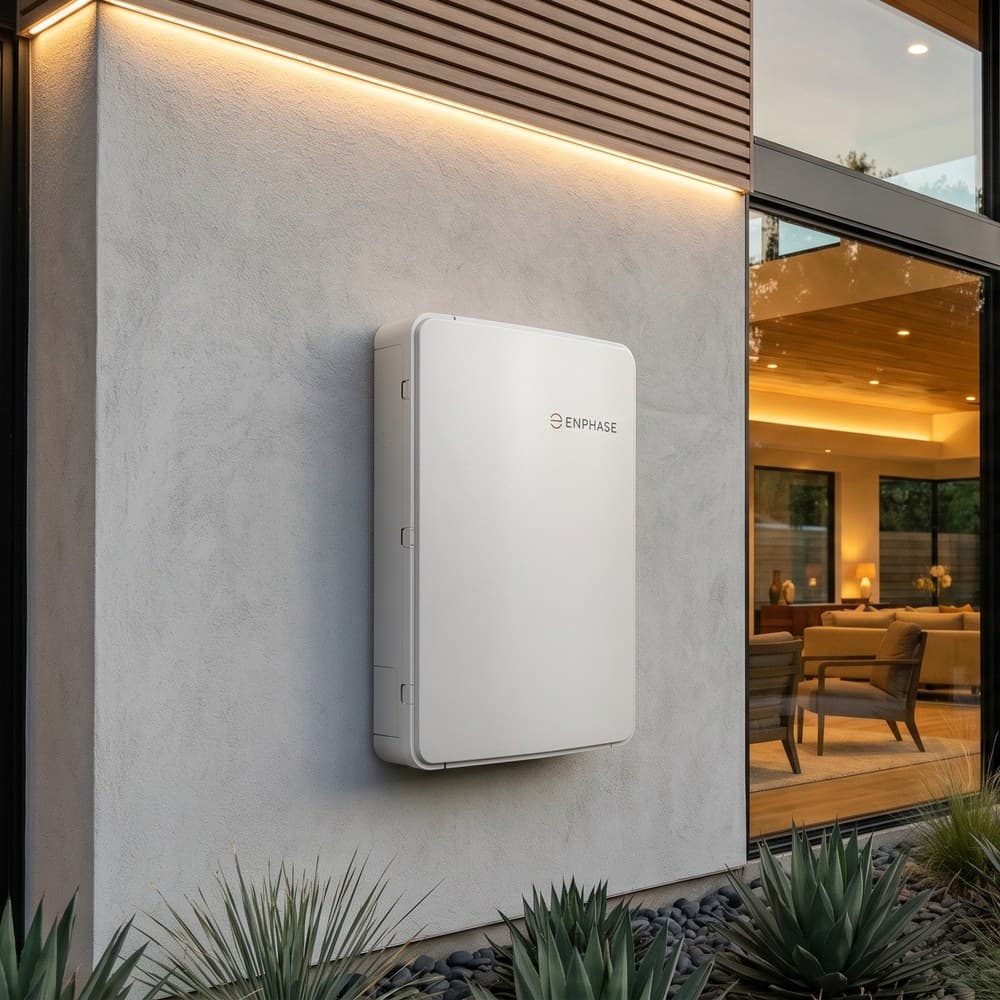
Enphase IQ 10C
The retrofit-friendly modular option, especially on the county's large base of existing Enphase solar systems.
What incentives are real in 2026 (and what expired)
The federal residential credit expired December 31, 2025 — no 2026 install gets it. What's genuinely available: SDCP Solar Battery Savings ($250–$500/kWh upfront + $0.10/kWh 4–9 PM performance payments, five-year commitment) for member-city homes; CEA's export premium on the Solar Billing Plan for North County's CEA cities; and SGIP's income-qualified and fire-zone tiers for the county's backcountry edges. This stack is the best in California — and it's all non-federal.
The full statewide picture: California battery incentives, 2026
Questions, answered.
- Which battery is best on SDG&E?
- Powerwall 3 for most homes — capacity and scheduling matched to the 4–9 PM dispatch that both TOU rates and SDCP payments reward. FranklinWH for whole-home load management; Enphase IQ for existing Enphase systems. We model all three against your actual SDG&E rate schedule.
- How fast does a battery pay back on SDG&E?
- Fastest in the nation for well-designed systems: the ~46¢ retail vs few-cent export spread typically models battery-paired solar at 5–8 years, and SDCP's rebate plus performance payments compress it further in member cities. Battery-only TOU arbitrage also pencils here better than anywhere else we serve.
- Do SDCP and SGIP stack?
- They can, subject to each program's rules at enrollment — SDCP's Solar Battery Savings is the broader program (single-family homes with solar-charged batteries), while SGIP's remaining tiers target income-qualified and fire-zone households. We check both against your address and handle the paperwork for whichever you qualify for.