How to Get Out of a Solar Contract or Lease in California (2026)
California homeowners have 5 business days (7 if 65+) to cancel a solar contract signed at home — here are every realistic exit, from the statutory window to lease transfer.
By Taylor Crouse — Founder, Helios Energy GlobalPublished
Quick answer
- California law gives you 5 business days to cancel a solar contract signed at your home (for contracts entered on or after January 1, 2026); 7 business days if you are 65 or older — per SB 784, which amended Civil Code §1689.6.
- For contracts signed before January 1, 2026, the window was 3 business days (5 for seniors 65+), per the original Civil Code §1689.6 and the CPUC Solar Consumer Protection Guide.
- After the cancellation window closes, the realistic exits are: pre-installation contract cancellation, lease/PPA transfer to a home buyer, or a buyout — none are automatic or free.
- Stopping payments or removing panels yourself does not end the contract; disputes involving misrepresentation go to the CSLB (contractor) and DFPI (financing).
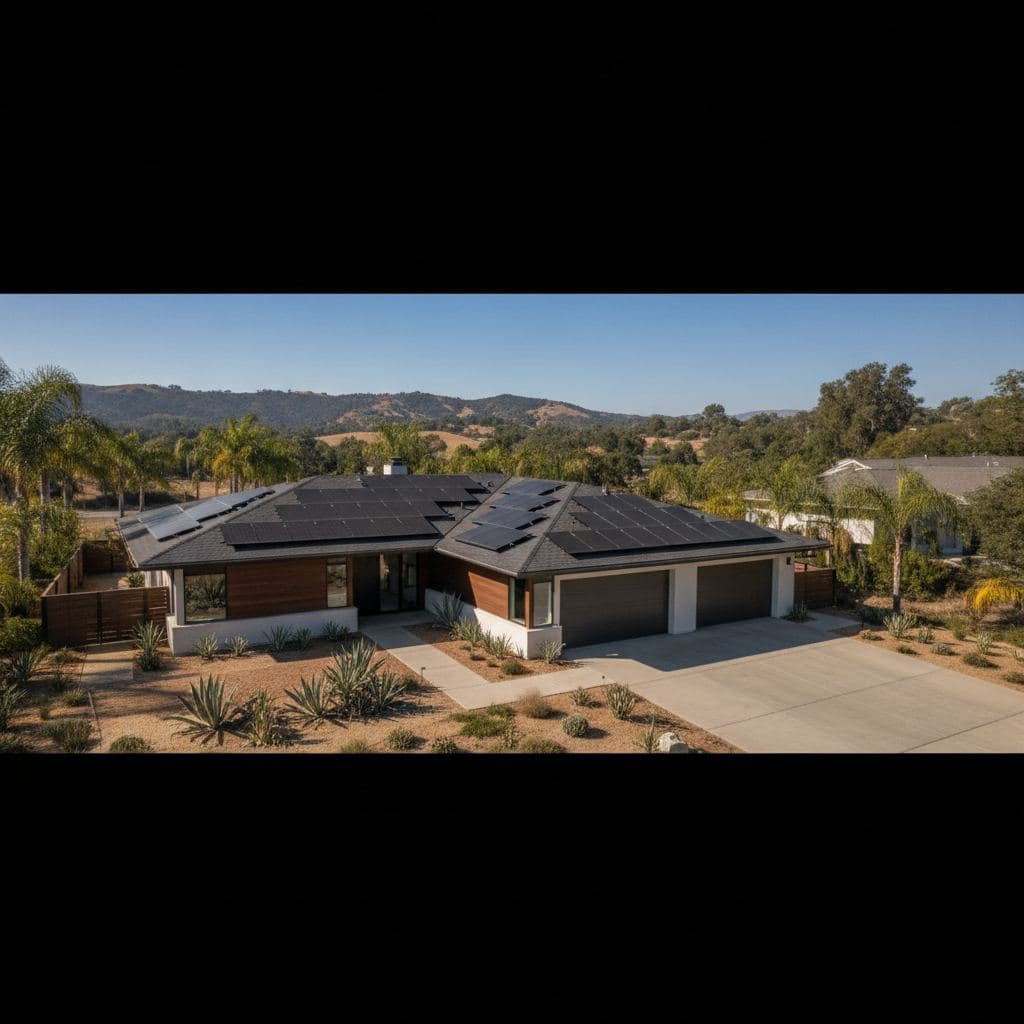
California's statutory cancellation window — 5 business days for most homeowners, 7 for those 65 and older, on contracts signed in 2026 — is the cleanest, lowest-cost exit available. Once that window closes and panels are on the roof, every remaining path involves either the other party's cooperation, a contractual right, or a legal dispute — and none of them are quick.
Last verified: October 2026 by Helios Energy Global.
This page is general information, not legal advice. If you believe you were defrauded or need to enforce a cancellation, consult a consumer attorney.
The five realistic exits, in order of ease
1. The statutory right to cancel — your cleanest option
California law authorizes a buyer to cancel a home solicitation contract written for certain home improvement work until midnight of the applicable business day after the buyer receives a signed and dated copy of the contract. SB 784, which amended Civil Code §1689.6, extended these windows for contracts entered into on or after January 1, 2026.
What that means in practice:
- Contract signed on or after January 1, 2026 at your home: 5 business days to cancel (7 if you are 65 or older).
- Contract signed before January 1, 2026: You had at least three business days to cancel your contract for any reason. If you were 65 years old or older, you had five business days.
You may cancel the contract by emailing, mailing, faxing, or delivering a notice to your solar provider by midnight of the applicable business day after you received a signed, dated copy of the contract. Note that different rules may apply for contracts negotiated at a company's place of business.
How to cancel: Send written notice — email with read-receipt, certified mail, or fax — before midnight of your deadline. Keep a dated copy of everything.
What the company must give you: The contractor is legally required to provide a detachable "Notice of Cancellation" form in duplicate, along with a clear written statement of your cancellation rights. The notice must be in the same language used during the sales presentation.
If the notice was never given: If the contractor fails to provide this cancellation notice, your right to cancel does not expire after the standard number of days. It extends indefinitely until the notice is properly delivered. If you never received a proper cancellation notice in your contract package, that is worth discussing with a consumer attorney before you assume your window has passed.
If the company refuses: If your solar provider refuses to cancel the contract, report them to the CSLB at 800-321-CSLB (2752) or cslb.ca.gov/consumers.
2. Cancelling before installation under the contract's own terms
If your statutory window has closed but the panels are not yet installed, read your contract for a pre-installation cancellation clause. Many solar contracts allow cancellation before a permit is pulled or before installation begins, sometimes with a fee — often covering design, permitting, or processing costs already incurred. The amount varies by company and contract; there is no statewide cap on this fee once the statutory window has passed.
Steps:
- Read the contract carefully for any section titled "Cancellation," "Termination," or "Right to Cancel."
- Send written notice the same way you would for a statutory cancellation — email or certified mail, keep a copy.
- Ask for written confirmation that the contract is terminated and that any UCC-1 financing statement or lien on your property will be released.
This route depends entirely on what your specific contract says. If the contract is silent, you may still be able to negotiate — but the company has no obligation to agree.
3. Transferring a lease or PPA when you sell the house
A solar lease or power purchase agreement (PPA) is a long-term contract — typically 20–25 years — with a third-party company that owns the panels. It is not a loan, and it does not disappear when you sell. See our guide on solar leases vs. PPAs for the full breakdown.
When you sell, you generally have two options:
a) Transfer the agreement to the buyer. Most lease and PPA contracts allow — and in some cases require — transfer to a creditworthy buyer. The buyer takes over the remaining term and monthly payments. This is the most common path for Southern California homeowners selling a leased-solar home. See our full guide on selling a house with solar panels in California.
b) Buy out the agreement before closing. See Exit 4 below.
The practical reality: Some buyers are hesitant to assume a 15-year-old lease with a long remaining term, especially under NEM 3.0 where export credits for SCE, SDG&E, and PG&E customers are significantly lower than legacy net metering. LADWP customers still receive retail-rate net metering, which makes a leased system somewhat easier to transfer in that service territory. Work with your real estate agent early — this is a disclosure item in California.
4. Paying off or buying out the agreement
For a loan, you are paying off a lender — not the installer. The loan is a separate contract with the financing company (such as a solar-specific lender), and paying it off ends your obligation to the lender; the panels become yours. Check your loan agreement for prepayment penalties, which some solar loans carry in the first few years.
For a lease or PPA, a "buyout" means purchasing the system from the third-party owner at a price set in the contract — typically a present-value calculation of remaining payments. Buyout amounts vary widely by company, contract vintage, and remaining term; get the figure in writing from your provider before making any decisions.
5. What does NOT end the contract
Be clear on what will not get you out:
- Stopping payments does not cancel the contract. It will trigger default provisions, potential collection action, and may result in a lien or UCC-1 filing on your property.
- Removing the panels yourself does not end the contract. Under most lease and PPA agreements, the panels are the property of the financing company, and unauthorized removal can expose you to liability for the equipment value.
- The installer closing or going out of business does not automatically end the contract. Lease and PPA agreements are often assigned to or held by a separate financing entity that survives the installer's closure. Read who the actual contracting party is on page one of your agreement — it may not be the company whose name was on the sales rep's shirt.
Paid "contract exit" services — what to know
A number of companies advertise solar contract exit services for a fee. Before paying, find out specifically what you are getting: legal representation, a negotiated settlement, document preparation, or simply information you could find yourself. Ask whether the service provider is a licensed California attorney or is working with one. Neutral information is widely available from the CPUC and CSLB at no cost. If your situation involves potential fraud or misrepresentation, a consumer attorney — not a contract-exit marketing service — is the appropriate starting point.
Key numbers at a glance
| Situation | Cancellation window | Authority |
|---|---|---|
| Contract signed at home, on/after Jan 1, 2026 (general) | 5 business days | Civil Code §1689.6 as amended by SB 784 |
| Contract signed at home, on/after Jan 1, 2026 (age 65+) | 7 business days | Civil Code §1689.6 as amended by SB 784 |
| Contract signed at home, before Jan 1, 2026 (general) | 3 business days | Civil Code §1689.6 (original) |
| Contract signed at home, before Jan 1, 2026 (age 65+) | 5 business days | Civil Code §1689.6 (original) |
| Notice not properly delivered by contractor | Window may remain open indefinitely | Civil Code §1689.6 |
| Pre-installation cancellation (after statutory window) | Depends on contract terms | Your specific contract |
| Lease/PPA transfer at home sale | Requires buyer approval + lender approval | Your specific contract |
| Loan payoff | Anytime (check prepayment penalty) | Your loan agreement |
Estimates based on California statute and standard industry practice. Consult a consumer attorney for your specific situation.
Where to complain when something went wrong
If the sale involved misrepresentation, high-pressure tactics, an unregistered salesperson, or an unlicensed contractor, you have multiple complaint channels. The CPUC Solar Consumer Protection Guide directs homeowners to two primary agencies:
CSLB (Contractors State License Board): For complaints against the contractor or home improvement salesperson — including misrepresentation, unlicensed activity, and unregistered salespersons. The CSLB solar complaint form covers workmanship, unlicensed activity, unregistered salesperson, abandonment, and misrepresentation. File online at cslb.ca.gov/consumers or call 800-321-CSLB (2752).
DFPI (Department of Financial Protection and Innovation): To file a complaint against a financing company, visit www.dfpi.ca.gov/file-a-complaint. This is the right agency if the problem involves the loan, PACE financing, or a lender's conduct.
If you were contacted by a telephone or door-to-door salesperson, ask for their individual home improvement salesperson (HIS) registration number. Then check the license and, if applicable, HIS registration numbers to make sure they are valid and associated with the solar provider by going to cslb.ca.gov/consumers or calling 800-321-CSLB (2752).
If you are an SCE, PG&E, or SDG&E customer, you must sign the CPUC Solar Consumer Protection Guide to connect a residential solar system to the electric grid. The CPUC requires these companies to collect your signed copy of this guide to ensure that you know your rights and have enough information to make a decision. LADWP, Pasadena PWP, Burbank, Glendale, Anaheim, and Riverside customers are served by municipal utilities not regulated by the CPUC, though CSLB and DFPI protections still apply statewide.
Also see our guide on solar panel scams in California for common misrepresentation tactics to watch for.
How contract type affects your exit
| Contract type | Who owns the panels | Cancellation window applies? | At-sale options |
|---|---|---|---|
| Cash purchase | You, from day one | Yes (statutory window) | No transfer needed — panels convey with home |
| Solar loan | You (loan is with lender) | Yes (statutory window) | Pay off loan or let buyer assume (if loan allows) |
| Lease | Third-party lessor | Yes (statutory window) | Transfer to buyer or buy out |
| PPA | Third-party PPA company | Yes (statutory window) | Transfer to buyer or buy out |
For a deeper comparison of leases and PPAs, see Solar Lease vs. PPA in California. If you are considering financing a new system instead of a lease, we can walk you through the differences.
Frequently asked questions about getting out of a solar contract
How many days do I have to cancel a solar contract in California?
The five-day and seven-day rights to cancel added by SB 784 apply to contracts entered into, or offers to purchase conveyed, on or after January 1, 2026. For contracts signed before that date, the original Civil Code §1689.6 window of 3 business days (5 for seniors 65+) applies. Count from the day you received a signed, dated copy of the contract — not the day you signed.
What if my solar company never gave me a cancellation notice?
If the contractor fails to provide the required cancellation notice, your right to cancel does not expire after the standard number of days — it extends indefinitely until the notice is properly delivered. If you are unsure whether your contract package included a proper, detachable Notice of Cancellation form, review your documents carefully and consider speaking with a consumer attorney.
Can I get out of a solar lease when I sell my house?
In most cases, yes — but it requires the buyer's willingness and the leasing company's approval. Most lease and PPA contracts include a transfer provision for qualified buyers. If the buyer does not want to assume the lease, a buyout at the price stated in your contract is typically the alternative. See our full guide on selling a house with solar panels in California for the step-by-step process.
Does stopping payments cancel a solar contract?
No. Stopping payments triggers default under the contract terms, which can lead to collection action, credit reporting, and in some cases a lien or UCC-1 filing on your property. It does not release you from the agreement. If you are in financial hardship, contact the financing company directly about hardship provisions before missing a payment.
What happens to my solar contract if the installer goes out of business?
The installer closing does not automatically void the contract. Lease and PPA agreements are typically held by or assigned to a financing entity that is legally separate from the installation company. Check the first page of your agreement to identify the actual contracting party — it may be a financial company, not the installer.
Who do I complain to if I was misled during the solar sale?
If you think you have been a victim of solar fraud, you may file a complaint against a contractor or home improvement salesperson to the Contractors State License Board (CSLB) at 800-321-CSLB (2752) or cslb.ca.gov/consumers.
To file a complaint against a financing company, visit dfpi.ca.gov/file-a-complaint. For serious disputes, consult a consumer attorney.
Is a solar loan the same as a lease — can I exit it the same way?
No. A solar loan is a separate contract between you and a lender; the panels are yours from the start. You can exit a loan by paying it off (check for prepayment penalties). A lease or PPA means a third party owns the panels, and your exit options are more constrained — transfer to a buyer or a contractual buyout. The statutory cancellation window applies to both, but the long-term exit paths are very different. See Solar Lease vs. PPA and our financing page for more.
Next steps
- Book a free consultation and custom design — if you are considering going solar and want a straightforward, no-pressure process from the start
- Understand your solar financing options — loans, leases, PPAs, and cash compared
- Solar lease vs. PPA in California — know the difference before you sign
- Selling a house with solar panels in California — how transfers work in practice
- Solar panel scams in California — common misrepresentation tactics and how to spot them
- How much do solar panels cost? — if you are comparing an owned system to a lease
Sources
- California SB 784 (2025–26), amending Civil Code §1689.6 — leginfo.legislature.ca.gov — July 17, 2025
- CPUC California Solar Consumer Protection Guide (October 2025) — October 2025
- CPUC Solar Consumer Protection Guide Overview & FAQ — cpuc.ca.gov/solarguide — October 2025
- CSLB Solar Complaint Form — cslb.ca.gov — January 2025
- CPUC California Solar Consumer Protection Guide (2021 English) — dfpi complaint reference — January 2021
More guides
How many watts does it take to run a house in 2026?
A typical Southern California home draws 1,000–1,500W at baseline and 3,000–7,000W when the AC is running — here's what that means for solar sizing and battery backup.
ReadHow Many Solar Panels Do You Need for a 3,000 Sq Ft Home in Southern California? (2026)
A 3,000 sq ft SoCal home with a pool, EV, and dual AC typically needs 24–35 panels (10–14 kW) to cover 1,200–1,600 kWh/month — size by your bill, not your square footage.
ReadWhat direction should solar panels face in California in 2026?
South-facing panels produce roughly 10-20% more annual energy than west-facing, but west-facing arrays can cut more off your bill under NEM 3.0 and SCE's 4-9 PM peak rates.
ReadGet a free consultation and custom design.
No pressure, no obligation — the owner reviews every design we send.