Home battery storage
Keep the lights on. And the math working.

Tesla Powerwall, Enphase IQ, and FranklinWH battery storage for SoCal homes. Outage protection, NEM 3.0 economics, and the owner's personal design review — same as our solar work. Leaning Tesla? See Powerwall 3 pricing & runtime.
The battery answers, by question
Four reasons SoCal homes need storage.
The case for batteries used to be mostly about backup power. Under NEM 3.0, it's also about basic economics.
NEM 3.0 economics
Your daytime solar export is worth ~25% of what you pay for grid power. Storing it and self-consuming in the 4-9 PM peak window typically cuts your payback from 12 years to 7.
PSPS and outage backup
SCE's Public Safety Power Shutoffs hit hundreds of SoCal neighborhoods every fire season. A battery keeps your fridge, internet, lights, and well pump running — automatically, without a generator.
Wildfire resilience
If your home is in a High Fire Threat District (most of the foothills, canyons, and mountain communities), a battery + critical-loads panel turns an evacuation-or-tough-it-out decision into a non-event.
Time-of-use protection
Almost every SoCal homeowner is on a time-of-use rate plan now. Your battery discharges during expensive hours and recharges during cheap ones — automatically, no thinking required.
We install four battery platforms.
Each has a sweet spot. We'll tell you straight which one fits your home — not which one we have on the truck this week.
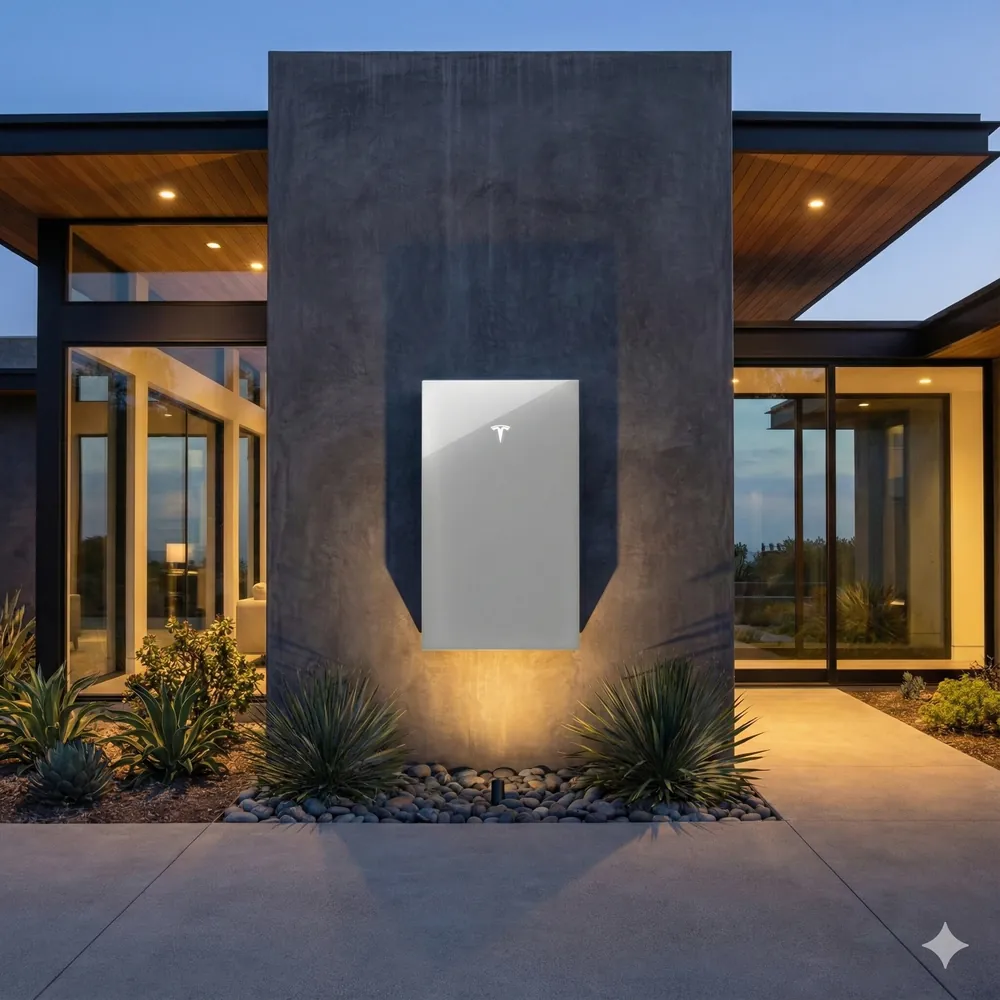
Tesla Powerwall 3
Whole-home backup, integrated solar inverter, sleek install.
- Built-in solar inverter (saves an inverter cost when paired)
- Whole-home backup capable in most configurations
- Stackable up to 4 units (54 kWh total)
- Most common choice for new installs
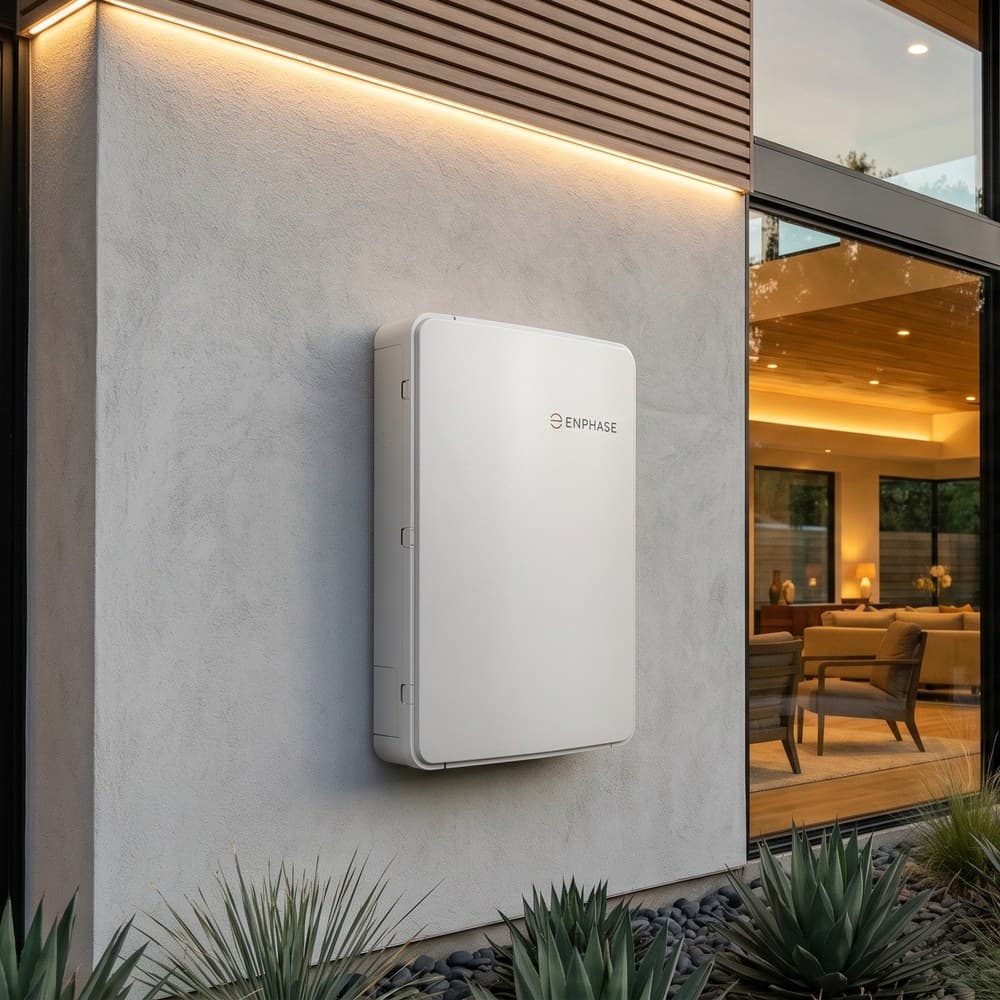
Enphase IQ Battery 10C
Modular sizing, microinverter integration, AC-coupled retrofits.
- Pairs cleanly with existing Enphase microinverter solar systems
- Safer LFP chemistry with four embedded IQ8B microinverters
- Modular — start with one battery, add more later (AC-coupled)
- 15-year / 6,000-cycle warranty — among the longest in its class
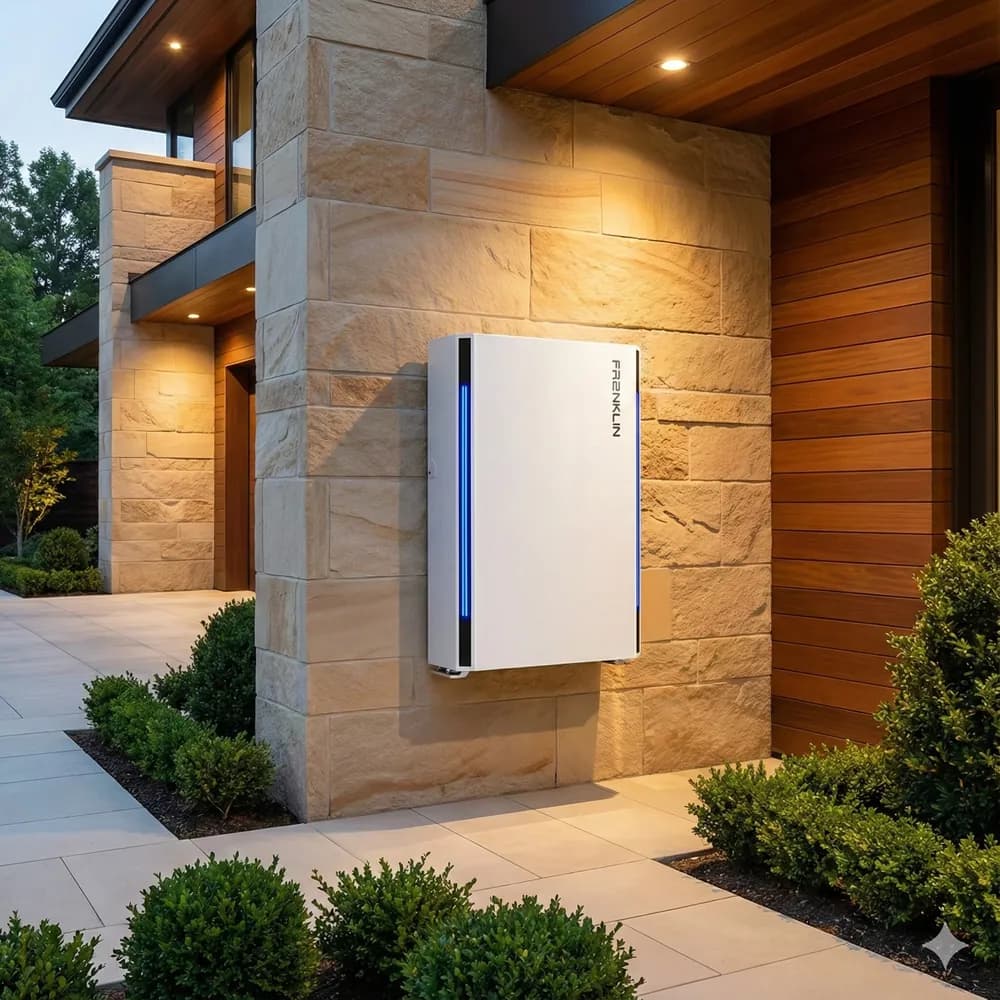
FranklinWH aPower 2
Larger homes, deeper backup runtime, generator integration.
- Largest single-unit capacity in residential class
- Native generator port (rare in this category)
- Built for whole-home backup including A/C
- Strong fit for HFTD-zone homes with deep outage exposure
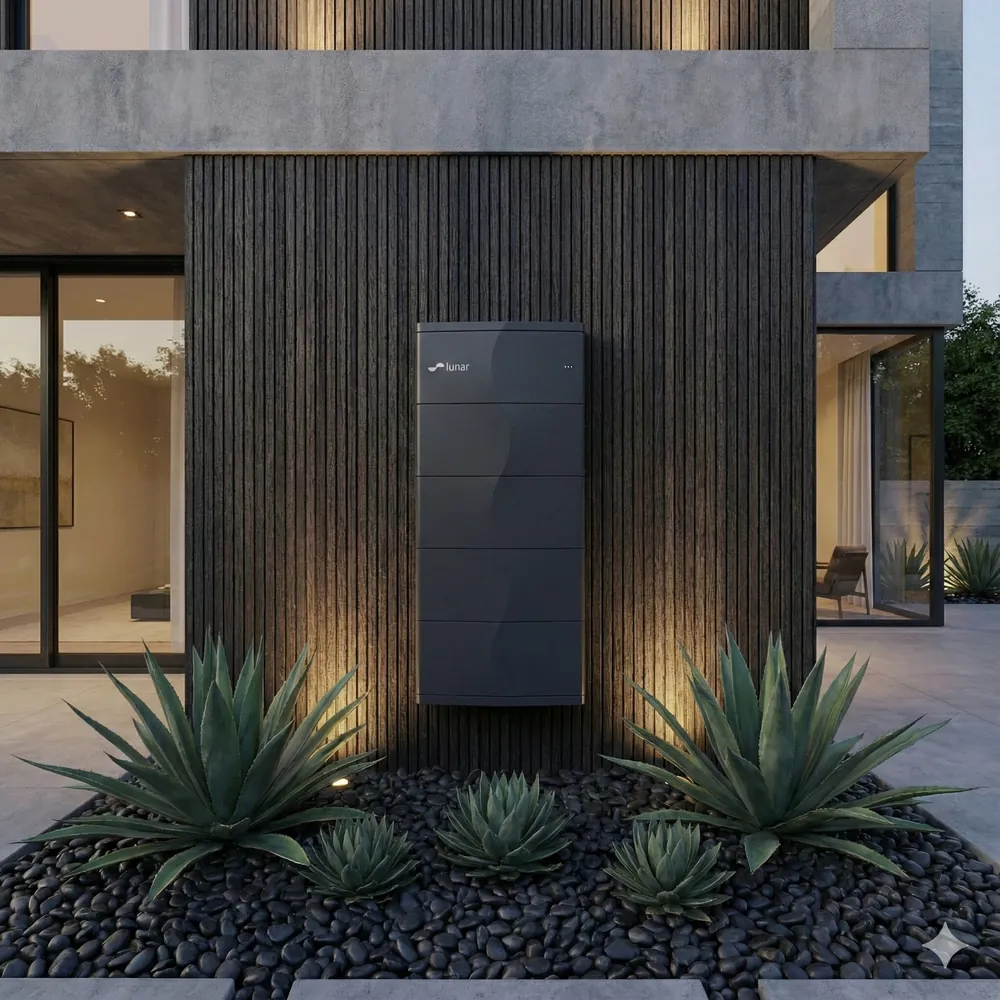
Lunar System
Modular tower, large capacity, and AI-driven rate optimization.
- Scales from 15 to 30 kWh in 5 kWh blocks — one clean tower
- Hybrid inverter sized to back up HVAC and major appliances
- AI software optimizes for time-of-use rates and weather
- 12.5-year warranty — among the longest in the category
If you live in a fire zone, this is the conversation to have.
SCE's PSPS program proactively shuts off power across hundreds of SoCal neighborhoods during high-wind events. The outages typically last 8-48 hours, sometimes longer. If your home is in the Hillsides, the canyons, the foothills, or any of the High Fire Threat Districts, a battery turns that from a hard week into a non-event — fridge running, internet up, garage door working, and (with the right sizing) A/C in summer.
We've designed dozens of HFTD-zone systems across Topanga, Calabasas, Thousand Oaks, Sierra Madre, and the foothill cities. Each has a different fire history, evacuation pattern, and outage exposure. We design accordingly.
How we design your battery.
Battery sizing isn't a calculator output — it's a design conversation. Here's what we work through with you.
How much do you actually use?
We pull your last 12 months of utility data and build an hourly load profile. A 4 kWh-per-day household and a 35 kWh-per-day household need very different battery configurations. We size for your real life, not a generic average.
What matters in an outage?
Some homes need everything to keep running. Others just need the fridge, internet, a few outlets, and the well pump. We design the backup loads panel around your specific definition of 'good enough' during a PSPS event.
Single battery vs. stackable?
A single Powerwall 3 covers most homes. Larger homes, HFTD zones, or houses with heat pumps and EV charging usually justify two units. We model both and show you the runtime difference in real outage scenarios.
Where does it go?
Garage interior, exterior wall (with shade and a temperature range), or utility room. Each battery has different temperature, ventilation, and clearance requirements. Taylor signs off on placement before any holes get drilled.
Battery questions, honestly answered.
The real questions from our design calls — not marketing-team filler.
- How much does a home battery cost?
- A single Tesla Powerwall 3 install in SoCal typically runs $14,500-$18,500 before incentives. The Enphase IQ Battery 10C is modular and AC-couples cleanly to existing solar, so pricing scales with how many 10 kWh units you need. FranklinWH installs are similar to Powerwall pricing. Through prepaid-lease financing the federal commercial clean-energy credit can be passed through on battery projects too (homeowners no longer claim it directly), and any remaining SGIP rebate is limited to income-qualified and fire-zone resiliency tiers. Installing solar and battery together is still the most common path.
- Will a battery actually run my whole house in an outage?
- Depends on the battery and your loads. A single Powerwall 3 (11.5 kW continuous) handles most homes without central A/C. Add A/C, an EV charger, or a heat pump and you usually need two batteries or a critical-loads panel to choose what stays on. We show you the math in your design.
- Can I install a battery without solar?
- Yes. Battery-only installs are a strong fit for two situations: (1) you live in an HFTD area and want PSPS protection without solar, or (2) your utility offers a time-of-use arbitrage opportunity worth pursuing. The federal commercial credit can still be passed through via prepaid-lease financing. Without solar, however, you lose most of the long-term economics — we'll be honest with you about whether it pencils.
- How long will a battery last in an outage?
- Depends on your loads. A single Powerwall 3 with critical loads only (fridge, internet, lights, a few outlets) typically runs 2-3 days. Add A/C in summer and you're down to 4-8 hours per battery. We design your backup loads panel to match the outage scenarios that actually matter for your area.
- Is battery storage worth it under NEM 3.0?
- For most SoCal homes installing new solar, yes — it's the difference between an 11-14 year payback (solar-only on NEM 3.0) and a 6-9 year payback (solar + battery). The exception is homes with very low summer evening usage, where the math is closer to a wash. We model your specific home and tell you straight which side of the line you're on.
- What about the SGIP rebate?
- California's Self-Generation Incentive Program (SGIP) offers rebates for residential battery installs, with extra dollars for medically vulnerable households or homes in High Fire Threat Districts. The standard residential tier is currently small but real — the HFTD and Equity tiers can be substantial. We check your address against the active program tiers before we quote.
Battery questions, answered with numbers.
Installed prices, sizing, and the 2026 product changes — each answered on its own page.
See if a battery makes sense for your home.
Free design includes real outage-runtime modeling, NEM 3.0 economics, and transparent pricing. The owner reviews every design before it's sent.