Who Removes Solar Panels for a Roof Replacement in Southern California?
A licensed C-10 or C-46 solar contractor — not the roofing crew — must handle the electrical disconnect and detach; Helios charges $250–$350 per panel for a coordinated detach-and-reset in Southern California — about $5,000–$8,750 for a typical 20–25 panel system, with the roofing quoted separately.
By Taylor Crouse — Founder, Helios Energy GlobalPublished
Quick answer
- A licensed C-10 (electrical) or C-46 (solar) contractor must remove and reinstall your panels — not the roofing crew.
- Detach-and-reset cost: Helios charges $250–$350 per panel for removal and reinstallation — about $5,000–$8,750 for a typical 20–25 panel Southern California system — before the roof replacement itself.
- Roofers hold a C-39 license — which covers roofing materials and waterproofing, not electrical disconnection of live solar systems.
- One coordinated project beats two separate contracts: mismatched crews are the leading cause of broken panels, voided equipment warranties, and failed inspections.
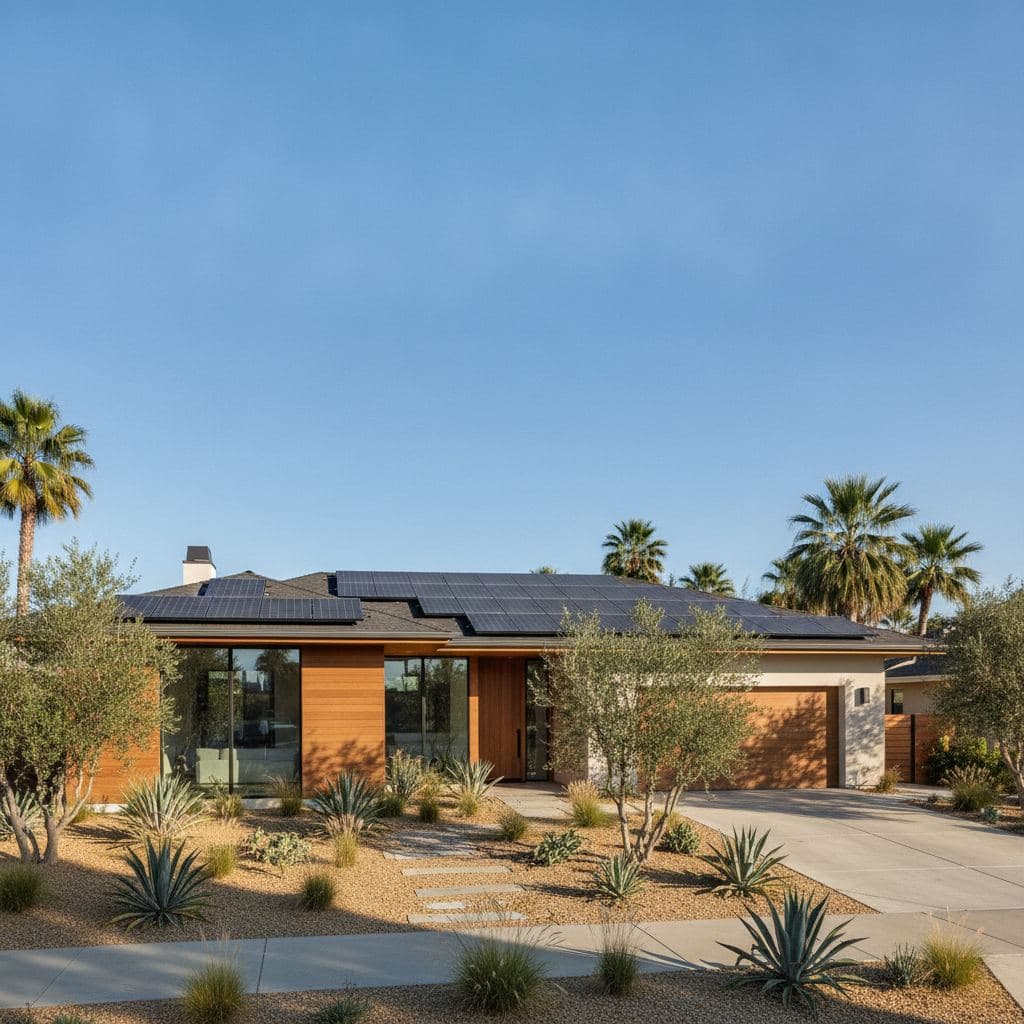
A licensed solar or electrical contractor — holding a California C-10 or C-46 license — is the correct professional to remove and reinstall your panels when your roof needs replacing; Helios charges $250–$350 per panel for the detach-and-reset work — about $5,000–$7,000 for a typical 20-panel Southern California home — depending on panel count and roof pitch, with new flashing and mounting hardware at every attachment included. The roofing itself — tear-off, underlayment, new material — is a separate scope performed by a C-39-licensed roofing contractor, and the two trades must be sequenced and coordinated carefully to protect your warranties and pass inspection.
Last verified: September 2026 by Helios Energy Global.
Why the license classification matters
California draws a hard legal line between who can touch a roof and who can touch a solar-electrical system.
In California, roofing contractors must hold a C-39 Roofing license issued by the CSLB to legally perform roofing work on projects valued at $500 or more. That license covers shingles, tile, underlayment, flashing, and waterproofing. It does not authorize a roofer to disconnect a live solar array from the grid or from your home's electrical panel.
The installation — and by extension the removal and reinstallation — of a PV system for re-roofing purposes must be performed by a qualified contractor holding a C-10 or C-46 license.
Solar photovoltaic systems of any size can be sold and installed in California by a C-46 Solar Contractor, a C-10 Electrical Contractor (PV), or a Class B General Building Contractor. In practice, for a detach-and-reset on an existing permitted system, you want a C-10 or C-46 — a firm that does this work routinely, carries the right insurance, and understands how to document the disconnect for the building department.
The C-10 license covers all electrical contracting work in California, including solar installations, and permits the electrical work directly related to and incidental to the solar installation — including wiring from modules to inverter to the point of connection at the electrical panel.
The three options homeowners consider — and how they compare
Option 1: Let the roofer handle it
This is the most common mistake. Roofers are experts in shingles, flashing, decking, and underlayment — not electrical systems. Most are not licensed to disconnect or reinstall solar equipment, and even those who are may not carry the specialized insurance or training required to do it without risk. If a roofing crew tries to remove panels without proper credentials, it could expose them — and you — to serious liability.
Damaged panels, broken mounts, or voided warranties are common when this work is handled by the wrong team.
The financial exposure is real: if a roofer removes your panels as a favor, or to speed up the job, and something goes wrong with your system afterward, your solar manufacturer and installer may both deny your warranty claim on the grounds that the system was improperly handled by an unqualified party.
Bottom line: Don't do it. Even a well-meaning roofer who offers to "just lift the panels out of the way" creates warranty and liability risk for you.
Option 2: Hire any licensed solar company
Better — but not automatically seamless. Any C-10 or C-46 contractor can legally perform the detach-and-reset. The practical challenge is coordination: you now have two separate contracts, two separate schedules, and two separate parties who may each assume the other is handling the flashing penetrations, the permit, and the inspection sign-off.
Every solar panel mount creates a penetration in your roof. When panels are removed and reinstalled, those penetrations need to be properly sealed by the roofing contractor before the solar mounts go back in. If this step is skipped or done carelessly, you risk water intrusion — which can damage your roof, your attic, and potentially your solar equipment.
Water damage caused by improper sealing after a solar reinstall is a gray area that both your roofer and your solar installer may try to assign to the other party.
If you go this route, get everything in writing: who seals each penetration point, in what order, and who pulls which permit.
Option 3: One coordinated project (recommended)
The cleanest outcome is a single project where the solar detach-and-reset and the roofing work are coordinated under one plan, with licensed professionals in each trade and one point of contact managing the schedule.
At Helios Energy Global, this is exactly how we structure reroof projects. Our C-10 licensed team handles the solar electrical disconnect and reinstall — that is our own licensed scope. The roofing tear-off and installation is performed through our vetted, licensed roofing partner contractors (C-39), coordinated by Helios as a single project. You get one timeline, one point of accountability, and a permit package that covers both scopes.
What the detach-and-reset process actually looks like
A properly sequenced reroof with solar follows this order:
- Solar disconnect & detach — the C-10/C-46 contractor de-energizes the system, disconnects from the grid, removes panels and racking, and temporarily weatherproofs any open penetrations.
- Roofing work — the C-39-licensed roofing crew completes tear-off, installs new underlayment and roofing material, and flashes all penetration points per manufacturer specs.
- Solar reinstall & recommission — the solar contractor reinstalls racking and panels, rewires and reconnects the system, tests output, and closes out any required permits or inspections.
An original approved record plan set must accompany the submitted PV plans to confirm that the system was permitted and installed. A pre-removal inspection of the existing system may be required. The permit for the re-installation of the existing PV does not allow any alteration of the original equipment or system. This is why having the original permit documentation matters — dig it out before you call anyone.
Key numbers: what to budget
| Cost component | Typical range (Southern California, 2026) | Notes |
|---|---|---|
| Detach and reset (Helios) | $250–$350 per panel | Covers storage, new flashing and mounting hardware, reinstall, recommissioning and production verification; varies by system age, roof pitch, accessibility |
| Full detach-and-reset, 15–20 panels | $3,750–$7,000 | Tile or steep-pitch roofs at the top of the range |
| New flashing and mounting hardware | Included | At every attachment |
| Roof replacement (separate scope) | $7,500–$14,000+ | Varies by material, square footage, pitch; performed by roofing partner |
| Permit fees | Varies by jurisdiction | Required for both solar reinstall and reroof; confirm with your city/county |
Detach-and-reset prices are Helios's $250–$350 per panel; the roof replacement figure is an estimate. Get a custom quote for your specific system and roof.
Helios charges $250–$350 per panel for removal and reinstallation, so panel count drives the total: about $3,750–$5,250 for 15 panels, $5,000–$7,000 for 20 and $7,500–$10,500 for 30. For a detach-and-reset (removal plus same-roof reinstallation), that per-panel price covers labeled on-site storage, new flashing and mounting hardware at every attachment, reinstallation, recommissioning and production verification — and steep pitches, tile roofs, and older hardware push a job toward the top of the range.
If your system uses microinverters (common on many Southern California installs from the past several years), the wiring disconnect is more involved than a string-inverter system, and labor time increases accordingly. Ask your solar contractor to walk through your specific inverter configuration before accepting any quote.
What goes wrong when roofers DIY the solar removal
Here is the short list of real-world problems we see when the trades are not properly separated:
Broken panels. Roofers are trained to move roofing materials, not tempered glass modules. Micro-fractures may not be visible but will degrade output over time — and won't be covered under the panel manufacturer's warranty if removed by an unlicensed party.
Voided equipment warranties. Allowing an unlicensed or non-specialized contractor to remove your panels is a leading cause of voided solar warranties. Roofing contractors — even excellent ones — are not trained or licensed to disconnect solar systems.
Failed inspections. Many Southern California jurisdictions — including cities served by SCE and LADWP — require a new permit and inspection for solar reinstallation after a reroof. The installation of the PV system for the re-roofing purpose must be performed by a qualified contractor holding a C-10 or C-46 license. If the work was done by an unlicensed party, the permit cannot be properly closed.
Leaks at penetration points. When no one owns the handoff between solar removal and roof flashing, penetration points get left unsealed or improperly re-flashed. This is a common source of attic water damage that neither contractor wants to claim.
Lease and PPA complications. Leased systems and PPAs almost always need the solar company's okay first. If you have a third-party-owned system, your agreement almost certainly requires that the system owner's approved contractor handle any removal — not your roofer.
Does your original installer have to do it?
No. Any licensed C-10 or C-46 contractor can legally perform the detach-and-reset. That said, your original installer has one practical advantage: they have the original permit record, know your specific mounting system, and may be able to move faster on documentation.
If your original installer is no longer in business — which happens — a new C-10 or C-46 contractor can pull the original permit from your local building department (you can also request this yourself), assess the existing system, and proceed. It adds a step but is not a showstopper.
Solar panels are mounted on the roof via a rail system designed not only to securely hold your panels in place but also to allow them to be easily detached from your roof when needed. Pair that with a certified solar company to get the job done, and your solar panel system should be removed without any unnecessary roof damage.
SCE vs. LADWP: does the utility matter for a reroof?
For the physical detach-and-reset, the utility does not change the licensing requirements — C-10/C-46 is required regardless of whether you are in SCE territory (most of coastal and inland Southern California) or LADWP territory (City of Los Angeles).
Where the utility does matter: interconnection paperwork. When your system is de-energized and then recommissioned, you may need to notify your utility. SCE customers on NEM 3.0 (the Net Billing Tariff) should confirm with their solar contractor whether the recommission triggers any re-enrollment review — in some cases it does not, but it is worth verifying before the work starts. LADWP customers, who remain on retail-rate net metering, should similarly confirm the recommission notification process with LADWP directly.
See our full NEM 3.0 explainer for more on how the tariff works, and our guide to solar vs. battery under NEM 3.0 if you are considering adding storage at the same time as your reroof.
Should you add a battery during the reroof?
A reroof is one of the best times to add a battery, because the roof is already open and the solar system is already being recommissioned. Adding a home battery at this stage avoids a second mobilization cost later. In Southern California, SCE's 4–9 PM TOU peak at roughly 34–35¢/kWh makes storage particularly valuable for shifting self-generated solar energy into the evening hours.
Battery pricing in 2026 runs approximately $14,000–$18,500 installed per unit for most systems; a Tesla Powerwall 3 runs roughly $14,500–$18,500 installed. SGIP residential incentive budgets are currently waitlisted, so do not count on that rebate reducing your upfront cost — but the math on batteries still works for many Southern California homeowners given current SCE rates. See our battery storage page for a full breakdown.
Frequently asked questions about solar panel removal for a reroof
Can my roofer remove my solar panels while they replace my roof?
Not legally, in most cases. The installation of the PV system for the re-roofing purpose must be performed by a qualified contractor holding a C-10 or C-46 license. A C-39 roofing license does not authorize electrical disconnection of a solar system. Beyond the legal issue, damaged panels, broken mounts, or voided warranties are common when this work is handled by the wrong team.
How much does solar panel removal and reinstall cost in Southern California?
Helios charges $250–$350 per panel for removal and reinstallation — about $5,000–$7,000 for a typical 20-panel system — before the roof replacement cost. That per-panel price covers labeled on-site storage, new flashing and mounting hardware at every attachment, reinstallation, recommissioning and production verification; tile and steep-pitch roofs land at the top of the range. Get the per-panel price and what it includes in writing.
Will removing my solar panels void my panel warranty?
It depends on who does the work. In the event that roof damage occurs during removal, your solar installer's workmanship warranty — not your roof warranty — will cover that specific damage — but only if a qualified solar contractor performed the removal. If an unlicensed party removed the panels, the manufacturer may deny any subsequent warranty claim.
Do I need a new permit to reinstall my solar panels after a reroof?
In most Southern California jurisdictions, yes. An original approved record plan set must accompany the submitted PV plans to confirm that the system was permitted and installed, and a pre-removal inspection of the existing system may be required. Your C-10 or C-46 contractor should pull the reinstallation permit — confirm this is included in their scope before signing.
What if my original solar installer is out of business?
Any licensed C-10 or C-46 contractor can step in. You or your new contractor can request the original permit record from your local building department. The process takes a bit more documentation but is routine. Make sure your new contractor reviews the existing system's condition before committing to a fixed price, since older hardware or non-standard mounting may add labor time.
Does it matter if I have microinverters vs. a string inverter for the detach-and-reset?
Yes, practically speaking. Microinverter systems (common in Southern California) have individual electrical connections at each panel, which means more disconnect points and more labor time compared to a string-inverter system with a single combiner. Get a quote that accounts for your specific inverter type — do not accept a per-panel rate without confirming the contractor has reviewed your system configuration.
Should I replace my roof before or after adding solar panels?
If your roof is within 5–7 years of end-of-life, replace it before going solar — or do both at the same time. Replacing a roof under an existing solar array always costs more than replacing a bare roof, because of the detach-and-reset cost. If you are starting fresh with no panels yet, see our roof types guide for which materials work best with solar mounting systems.
Next steps
- Powerwall 3 cost — the installed price for one unit, what moves it, and what is included
- Book a free consultation and custom design — we'll review your existing system, assess your roof, and coordinate the full detach-and-reset plus reroof through our licensed roofing partners as one project.
- See our solar overview — understand how your system works before the reroof starts.
- Explore home battery storage — a reroof is the ideal time to add a battery without a second mobilization cost.
- Review our Southern California locations — we serve Santa Monica, Los Angeles, and surrounding communities throughout the region.
- Understand NEM 3.0 and what it means for your system — especially relevant if you are on SCE and considering any system changes during the reroof.
- Get a design and savings estimate — see the numbers for your specific address before committing to anything.
Sources
- City of San Diego – How to Obtain a Permit for Solar PV Systems (Re-Roofing) — January 2024
- CSLB – C-46 Solar Contractor Licensing Classification — February 2019
- InstaPermit – Solar Contractor License Requirements in California: C-46, C-10 — June 5, 2026
- A1 Solar Store – Solar Panel Removal Cost Guide 2026 — April 6, 2026
- RoofReplacementCA – California Roofing License Requirements (CSLB) — September 11, 2026
More guides
Why is my SCE bill so high in 2026?
SCE residential rates average 34–35¢/kWh in 2026, with TOU peak rates pushing 50¢+ from 4–9 PM — here's what's driving your bill and how to cut it.
ReadWho Services SunPower Systems in California Now? Repair Options for SunPower Customers
SunPower Corporation went bankrupt in August 2024, leaving most pre-October 2024 California homeowners without a warranty servicer — but licensed independent solar contractors can diagnose and repair your system for $150–$450.
ReadDo solar panels increase home value in California in 2026?
Owned solar systems in California typically add 3–4% to resale value, and the state's active solar property-tax exclusion means that added value is not reassessed.
ReadGet a free consultation and custom design.
No pressure, no obligation — the owner reviews every design we send.