Tesla Solar Customer Service in California: How to Get Help and Who Can Repair Your System
Tesla solar panels carry a 25-year product and performance warranty and a 12.5-year inverter warranty — here's how to open a service request, what each warranty covers, and when a licensed independent contractor can legally work on your California system.
By Taylor Crouse — Founder, Helios Energy GlobalPublished
Quick answer
- Tesla solar panels carry a 25-year product and performance warranty (≥98% output at year 1, ≤0.45% annual degradation thereafter), per the Tesla Photovoltaic Module Limited Warranty effective June 2, 2026.
- The Tesla Solar Inverter carries a 12.5-year warranty; the Powerwall carries a 10-year warranty guaranteeing ≥70% capacity retention.
- The fastest way to open a service request is through the Tesla app → Support → Contact Support; if your system was installed by a third-party installer, the app will display that installer's contact information instead of connecting you to Tesla directly.
- A licensed independent solar contractor can legally diagnose and repair a Tesla solar panel system, but any physical damage they cause is not covered by Tesla, and Powerwall service should be handled by a Tesla Certified Installer.
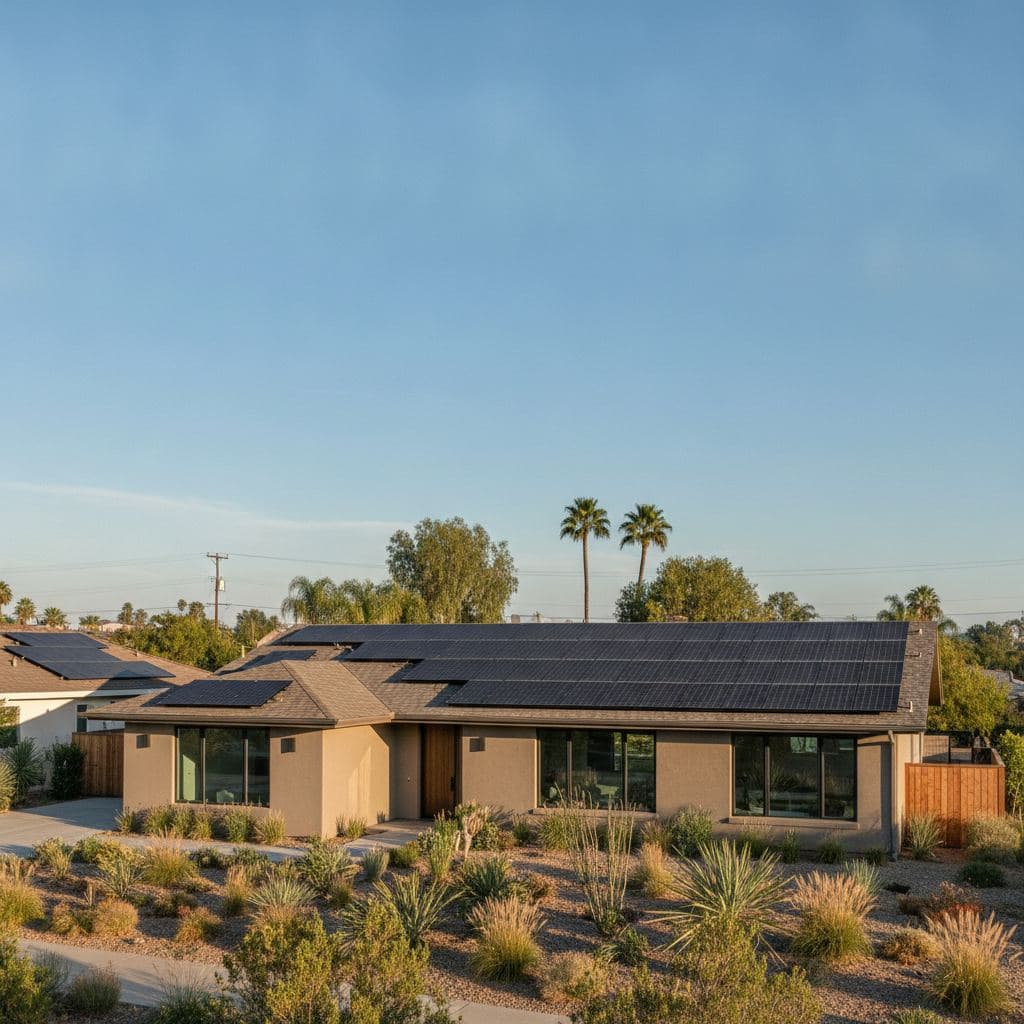
Your Tesla solar system's panels are backed by a 25-year product and performance warranty, your inverter by 12.5 years, and your Powerwall by 10 years — so the first question when something goes wrong is which component is affected and who is responsible for fixing it. The answer depends on who originally installed your system and whether you own it outright or hold a lease or PPA.
Last verified: October 2026 by Helios Energy Global.
Your Tesla solar warranties at a glance
Understanding what is covered — and for how long — before you call anyone saves time and protects your coverage.
Panels: 25-year product and performance warranty
Per the Tesla Photovoltaic Module Limited Warranty (USA), effective June 2, 2026, and applying to the TSP-405 through TSP-430 series, your modules will be free from defects in design and materials for 25 years from the date of installation.
The performance warranty guarantees that power output will be at least 98.0% of rated peak power one year after installation, then decline by no more than 0.45% per year for the following 24 years. That works out to roughly 87% of rated output at year 25.
If your modules fail to comply with the product or performance warranties, Tesla will, at its discretion, repair, replace, or compensate you. If Tesla chooses to repair or replace modules within the first ten years of the warranty period and the work is performed by a Tesla Certified Installer, the warranty includes reimbursement of reasonable labor costs to that installer.
Inverter: 12.5-year warranty
The Tesla Solar Inverter carries a 12.5-year warranty, per the energylibrary.tesla.com datasheet (checked September 2026).
In addition to the panel and panel-mount warranties, the Tesla Solar Inverter is warrantied by Tesla. If your inverter fails within that window, a warranty claim — not an out-of-pocket purchase — should be your first step.
Powerwall: 10-year warranty, ≥70% capacity at year 10
Per the Tesla Powerwall Limited Warranty (USA), effective May 6, 2026, and applying to Powerwall 2, Powerwall+, Powerwall 3, and Powerwall 3 Expansion, Tesla warrants that your Powerwall will be free from defects for ten years following its initial installation date and will retain energy capacity per the schedule in the warranty document.
The capacity guarantee is at least 70% of the rated 13.5 kWh at year 10.
Workmanship: 10 years (Tesla-installed systems)
Tesla covers its solar panel systems with a 10-year workmanship warranty, which covers installation. This applies to systems Tesla installed directly. If your system was installed by a Tesla Certified Installer, that installer's workmanship terms govern — check your original contract.
Warranty summary table (estimates where noted)
| Component | Warranty term | Key coverage | Notes |
|---|---|---|---|
| TSP-series solar panels | 25 years | Defects in design and materials | Product warranty |
| Panel performance | 25 years | ≥98% at yr 1; ≤0.45%/yr degradation | Performance warranty |
| Tesla Solar Inverter | 12.5 years | Defects; performance degradation | Per Tesla datasheet |
| Powerwall 2 / 3 / 3 Expansion | 10 years | Defects; ≥70% capacity at yr 10 | USA warranty, eff. May 6, 2026 |
| Workmanship (Tesla-installed) | 10 years | Roof mounting, leaks, labor | Tesla-direct installs only |
| Labor reimbursement (panel repair) | First 10 years | Certified Installer labor only | Per panel warranty terms |
How to open a service request with Tesla
Step 1: Start in the Tesla app
If you are experiencing issues with your solar system, you can get help and schedule service using the Tesla app. Download the app and sign in using your Tesla Account.
To get help, tap 'Support' at the bottom of your energy system home screen, then tap the button to contact support at the bottom of that screen, and select your topic or issue and follow the prompts.
Step 2: Who you reach depends on who installed your system
This is the part many homeowners don't expect:
If your system was installed directly by Tesla, you will be connected to a Customer Support agent (if available) or prompted to send an email, and an agent will follow up with an email or phone call.
If your system was installed by a third-party installer, the contact information of your installer will be displayed — get in touch with that installer to get your concern resolved.
In other words: Tesla's own support page routes Certified Installer customers back to their installer as the first point of contact. Keep your original installer's contact information on file.
Step 3: Track your request
After submitting a service request, you can view the request details and its status through the Tesla app by selecting 'Support' at the bottom of your energy system home screen. Service requests requiring a site visit are displayed in a carousel format.
Phone support
For support with Powerwall, Solar Panels, and other energy products, Tesla's customer support team can be reached toll-free at (877) 798-3752 — select option 4, then option 2.
Check these things before you call
Many service calls turn out to be simple resets. Run through this list first:
- App shows no production — Check whether the system is in "Storm Watch" mode or whether a scheduled update ran overnight. Open the Tesla app's Energy tab and look at your production graph for the past 24 hours.
- Inverter fault light — A solid or flashing red LED on the Tesla Solar Inverter indicates a fault code. The Tesla app will usually display the fault description under your energy system's status screen.
- Tripped breaker — Go to your main panel and look for a tripped breaker on the solar circuit or the Powerwall circuit. Reset it once; if it trips again, stop and call for service.
- No Powerwall charge — Confirm the Powerwall is not in "Self-Powered" mode with a depleted grid and no solar input. The app's Powerwall screen shows state of charge in real time.
- Gateway offline — If the Tesla Gateway has lost its Wi-Fi connection, the app will show the system as offline even if it is producing normally. Re-pair the Gateway to your network before opening a ticket.
When a licensed independent contractor can work on your system
What Tesla's own support page says about third-party work
Tesla's support page for removal and reinstallation states that you have the option to hire a third-party contractor, and that you don't need Tesla to approve the contractor or scope of work — though Tesla does recommend that you review your system's limited warranty before proceeding.
Tesla is not responsible for any workmanship issues from third-party contractors. If your contractor damages the system during removal or reinstallation, you are responsible for any repairs needed.
Tesla also notes that if you choose to hire a contractor, Tesla cannot guarantee availability of Tesla products that may be necessary for the installation, and that any existing system warranty may be voided.
What this means in practice for California homeowners
For diagnostic work and non-invasive repairs (checking wiring connections, testing output at the combiner, replacing a string fuse), a licensed California solar contractor holding a C-46 Specialty Contractor license or a C-10 Electrical Contractor license can legally perform the work. The panel product warranty covers manufacturing defects in the modules themselves — that coverage is not automatically voided by having a third party diagnose or service the system.
The risk is damage caused during the work: Tesla is not responsible for any workmanship issues from third-party contractors, and if your contractor damages the system, you are responsible for repairs. Get the contractor's license number, verify it with the CSLB, and confirm they carry general liability and workers' compensation insurance before any work begins.
For panel removal and reinstallation during a reroof, the same rules apply, but the stakes are higher. See our detailed guide on Tesla solar panel removal and reinstallation in California for costs and the specific warranty language that applies.
The Powerwall is a different situation
The Powerwall 3 Owner's Manual states that "Powerwall 3 installation and service require knowledge of high voltage electricity and should only be performed by Tesla Certified Installers" — and that "Powerwall 3 installation must be carried out only by Tesla Certified Installers who are licensed electricians."
To secure the full 10-year product warranty, Powerwall must be registered by completing the commissioning process and sending system information to Tesla. De-energizing and recommissioning a Powerwall requires Tesla's proprietary commissioning tools; a Powerwall that is serviced and not properly recommissioned by a Certified Installer may lose its warranty registration. For any work that requires de-energizing or physically servicing the Powerwall, a Tesla Certified Installer is the right call.
If you have a Tesla lease or PPA
If you signed a Tesla solar lease or PPA, Tesla owns the equipment — not you. Tesla says it covers maintenance, service, and monitoring for the full term of a lease, including battery and inverter replacement. That also means you cannot authorize third-party work on the equipment without Tesla's consent. Any contractor who touches a leased system without the owner's authorization could create a contract breach, not just a warranty issue. Always contact Tesla first if your system is under a lease or PPA, and get written authorization before any third party performs work.
Who else can repair a Tesla solar system in California
In California, any contractor performing electrical work on a solar system must hold a valid license from the Contractors State License Board (CSLB) — typically a C-46 (Solar), C-10 (Electrical), or Class B (General Building) license. Licensing alone does not make a contractor a Tesla Certified Installer, and it does not give them access to Tesla's commissioning software or the Energy Service Portal.
Helios Energy Global is a Tesla Certified Installer and services Tesla, Enphase, and SolarEdge equipment throughout Southern California. Our solar repair and maintenance page covers the full scope of service work we perform, and our Tesla Powerwall installer credentials detail our certification status.
For a panel removal and reinstall ahead of a reroof, see Tesla Solar Panel Removal and Reinstallation in California. Roofing work is performed by vetted, licensed roofing partners; Helios coordinates the job but is not the roofing contractor.
Frequently asked questions about Tesla solar customer service
Does calling a third-party contractor void my Tesla panel warranty?
Tesla's support page states that if you choose to hire a contractor, any existing system warranty may be voided. However, the panel product warranty covers manufacturing defects in the modules themselves, and the risk is primarily around damage caused during third-party work and the loss of labor-cost reimbursement. Read your specific warranty document and, if in doubt, contact Tesla before authorizing any third-party service.
What does the Tesla app show when my system has a problem?
If you are experiencing issues with your solar system, you can get help and find answers in the Tesla app. The Energy tab displays real-time production and consumption; the Support tab shows any active fault codes and lets you open a service request. Check the app before assuming a hardware failure — many alerts resolve with a network reconnect or a breaker reset.
My system was installed by a Tesla Certified Installer, not Tesla directly — who do I call?
If your system was installed by a third-party installer, the Tesla app will display that installer's contact information when you open a support request — get in touch with your installer to get your concern resolved. Tesla's support routing is designed this way intentionally: the installing contractor holds the workmanship responsibility.
Can I get my Powerwall serviced by any licensed electrician?
The Powerwall 3 Owner's Manual states that installation and service should only be performed by Tesla Certified Installers. A non-certified electrician may be able to isolate the circuit, but recommissioning the Powerwall after service requires Tesla's proprietary tools. Using an uncertified technician risks losing your warranty registration and may leave the battery in an uncommunicating state.
Does the Tesla panel warranty transfer if I sell my home?
The Tesla warranty is transferable to new homeowners, which can help support resale value. You will need to transfer your Tesla Account and energy products to the new owner; Tesla's support page has a dedicated "Transferring Ownership of Your Solar System" section that walks through the steps.
What happens when my Tesla inverter warranty expires at 12.5 years?
When you need to replace equipment after its warranted life, contact Tesla and they will help you obtain and install a replacement, at your cost. At that point, you are not locked into Tesla — a licensed California solar contractor can replace a string inverter with a compatible unit, though doing so on a system that still has an active Powerwall may require additional coordination to maintain battery communication.
Is there a no-federal-tax-credit situation I should know about for 2026 repairs?
Yes. The 30% federal residential solar tax credit (Section 25D) expired December 31, 2025. There is no federal credit available for a 2026 solar purchase, repair, or battery addition. California's SGIP residential battery incentive program has residential budget funds that are currently waitlisted in 2026 — confirm current status with your installer before counting on it.
Next steps
- Book a free consultation and custom design
- Solar repair and maintenance services at Helios
- Tesla Powerwall installer credentials
- Tesla solar panel removal and reinstallation in California
- Understand NEM 3.0 and how it affects your system's value
- Battery storage options for Southern California homeowners
Sources
- Tesla Photovoltaic Module Limited Warranty (USA) — Effective June 2, 2026 — June 2, 2026
- Tesla Powerwall Limited Warranty (USA) — Effective May 6, 2026 — May 6, 2026
- Tesla Energy Support — Get Help and Schedule Service — October 2026
- Tesla Energy Support — Removal & Reinstallation — October 2026
- Tesla Solar Inverter Datasheet with Solar Shutdown Device (energylibrary.tesla.com) — October 25, 2024
More guides
How much do solar panels cost in Los Angeles in 2026?
A typical 6–9 kW solar system in Los Angeles costs $15,000–$31,500 installed before any incentives, with payback timelines that vary significantly depending on whether you're an LADWP or SCE customer.
ReadSolar Panel Removal for Insurance Claims: What's Covered in Southern California (2026)
A fire, wind, or hail roof claim in Southern California typically covers solar panel detach-and-reset—but only if the line item is explicitly written into the adjuster's Xactimate scope. Helios charges $250–$350 per panel for the work, about $5,000–$7,000 for 20 panels.
ReadMicroinverters vs string inverters: which is better in 2026?
On a typical 8 kW SoCal roof with two azimuths, microinverters cost roughly $800–$1,600 more than a plain string inverter but recover most of that gap through better shade and split-orientation production.
ReadGet a free consultation and custom design.
No pressure, no obligation — the owner reviews every design we send.