Tesla Solar Panel Removal and Reinstallation in California: Who Does It and What It Costs in 2026
Helios charges $250–$350 per panel to remove and reinstall Tesla solar panels in California, with the roofing quoted separately. Tesla's own R&R process takes 4–12+ weeks, and a Powerwall system needs a certified installer if you want to keep the battery warranty intact.
By Taylor Crouse — Founder, Helios Energy GlobalPublished
Quick answer
- Helios charges $250–$350 per panel for Tesla solar panel removal and reinstallation (R&R) — about $5,000–$7,000 for 20 panels and $7,500–$10,500 for 30 — covering storage, new flashing and mounting hardware, reinstallation, recommissioning and production verification.
- Tesla's own R&R scheduling takes 4–12+ weeks from your initial request; permits can add another 4–8 weeks on top of that.
- You must submit two separate requests in the Tesla app — one for removal, one for reinstallation — and sign a Service Work Agreement (SWA) for each.
- If your system includes a Powerwall, de-energizing and recommissioning must follow Tesla's Lockout/Tagout procedure and should be performed by a Tesla Certified Installer to protect your battery warranty.
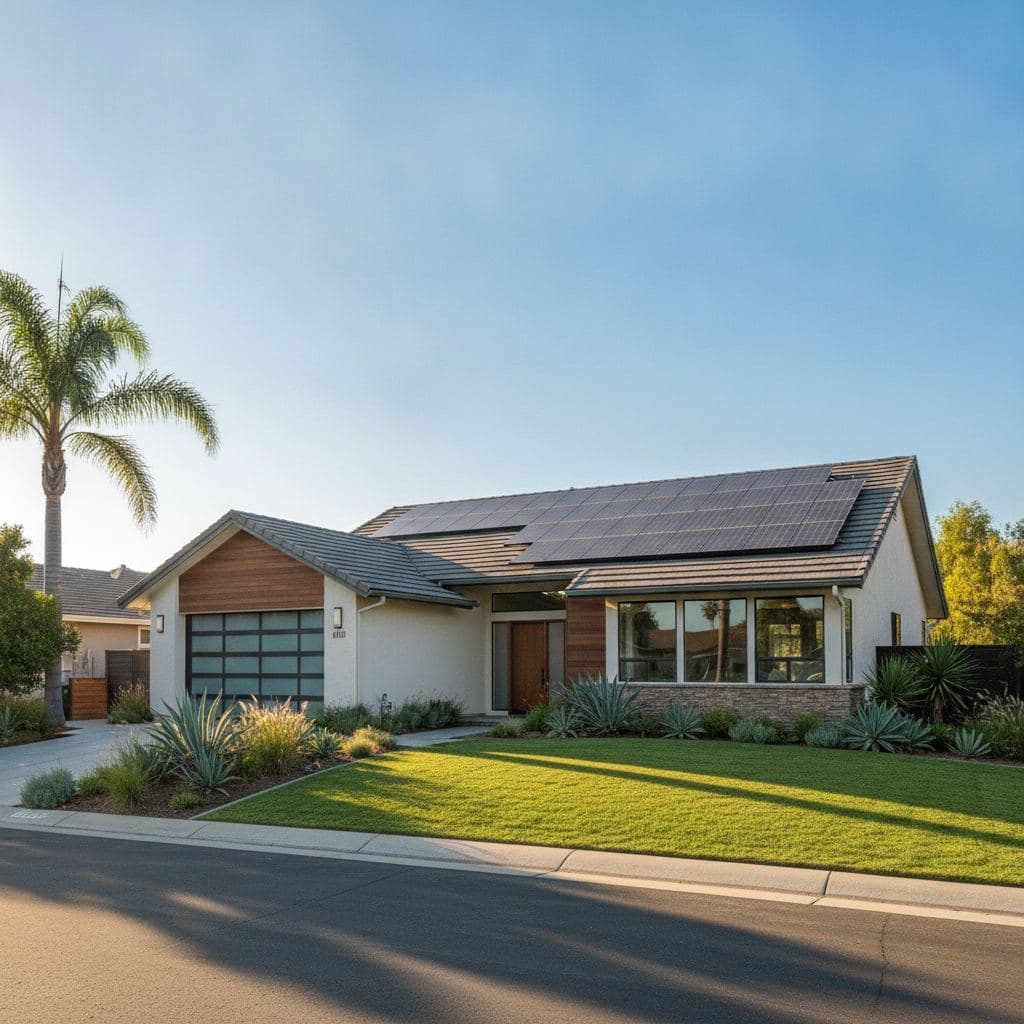
Helios charges $250–$350 per panel to remove and reinstall Tesla solar panels in California, putting a 20-panel system — common for a mid-size Southern California home — at about $5,000–$7,000 for a same-roof reroof job, with the roofing quoted separately. Timeline is the bigger shock for most homeowners: between Tesla's initial response window, permitting, and crew scheduling, you should budget 3–6 months from first contact to panels back on the roof if you go through Tesla directly.
Last verified: September 2026 by Helios Energy Global.
Why Tesla R&R is different from standard solar removal
Tesla operates a proprietary removal-and-reinstallation process that is separate from its standard service queue. Removal is the process of temporarily taking solar panels or the entire system off your home; reinstallation is the process of putting them back after reroofing, remodeling, or relocation. That sounds simple, but the logistics have tripped up thousands of Southern California homeowners who assumed they could coordinate the roofer and Tesla on a two-week timeline.
There are three types of R&R: Roof Work (No Remodel), Home Remodel, and Relocation. For most LA-area homeowners replacing aging composition shingles, the first type applies. Roof Work (No Remodel) is the most common type, in which part or all of the solar system must be removed before you can repair or reroof your home — and your roof line remains the same, so Tesla will reinstall the system where it was originally placed.
A critical detail: removal and reinstallation are two separate processes, and you must initiate requests for each separately. You cannot submit the reinstallation request until the removal is complete and your roof work is done.
The Tesla R&R process, step by step
Get started from the Tesla app by tapping "Support" at the bottom of your energy system home screen, then selecting "Contact Us" > "Maintenance & Repair" > "Panel Removal & Reinstallation." You can also initiate the request on the Tesla website.
Once submitted:
Initial response. Tesla will follow up on your request within approximately seven to ten business days.
Sign a Service Work Agreement (SWA). A Service Work Agreement is created for the removal and is available on the Tesla app for you to review and sign.
Removal and reinstallation are two separate requests, each with its own SWA.
Permitting. If permits are required, Tesla will initiate the process with local authorities — a step that can take up to two months on average to complete. In LA County and many Southern California jurisdictions, permits are almost always required.
Schedule removal. After the SWA is signed, your case becomes ready for scheduling; removal timelines may vary based on crew bandwidth and availability.
Panel storage. You are responsible for providing a safe location to store your solar panels while they are removed from your roof. Store them indoors — a garage or shed — to protect electrical connections and maintain warranty coverage.
Wait before reinstalling. Community reports indicate Tesla requires panels not be reinstalled until at least 30 days after new shingles are installed. For the reinstallation, Tesla asks that you submit your request after the roof is done; panels cannot be reinstalled until at least 30 days after the new shingles are installed, and Tesla has historically carried roughly a 70-day lead time for reinstallation scheduling.
Bottom line on timing: Timelines may vary depending on the scope of work and crew availability, so Tesla recommends starting the process as far in advance as possible to help reduce work delays. Plan for the full project — removal through reinstallation — to span 3–6 months in Southern California, longer if permitting is complex.
What it costs: per-panel and total project ranges
Helios charges $250–$350 per panel to remove and reinstall Tesla panels, as it does for any brand and any original installer. That per-panel price covers the whole job: labeled, padded storage on site, new flashing and mounting hardware at every attachment, reinstallation in the documented layout, recommissioning (including utility or AHJ notification where required) and production verification. Tile or steep-pitch roofs land at the top of the range; simple single-story shingle at the bottom.
Same-roof reinstallation (a "detach and reset") with the panels stored on site sits lower in the range than a job that needs off-site storage. Off-site storage pushes a job toward the top of the $250–$350 range.
The roofing itself, off-site storage beyond 30 days, and replacement of failed components found during the detach are quoted separately.
Utility notification, where required, is part of recommissioning, which the per-panel price includes.
| Scenario | Cost | Notes |
|---|---|---|
| Removal + same-roof reinstall (per panel, Helios) | $250–$350 | Includes new flashing and mounting hardware at every attachment |
| Typical 20-panel system, D&R total | $5,000–$7,000 | Tile or steep roofs at the top of the range |
| Typical 30-panel system, D&R total | $7,500–$10,500 | Larger systems, steeper roofs toward the top of the range |
| Permitting (LA County / SoCal) | $110–$760+ | Per Tesla's own permitting data; varies by AHJ |
| Off-site panel storage beyond 30 days | Quoted separately | Labeled, padded storage on site is included |
Per-panel and system prices are Helios's; the permitting figure is Tesla's. Get at least two written quotes — each with the per-panel price and what it includes — before signing anything.
Who can actually do the work
Option 1: Tesla directly
Tesla handles its own R&R through its field service teams and, increasingly, through subcontractors it selects. To get the process going, the owner initiates an R&R Request; Tesla solar owners submit this request and usually receive a response within two days, after which Tesla sends a Home Improvement Agreement that allows the owner to schedule an R&R date. (Note: Tesla's current support page states 7–10 business days for follow-up, which aligns with real-world reports more than the older "two-day" figure.)
Pros: Tesla owns the warranty relationship; any damage they cause is their problem.
Cons:
If you'd rather not wait months for a Tesla team member to show up, wait times are a real concern — Tesla can experience significant delays in scheduling your Solar R&R appointment.
Option 2: A Tesla Certified Installer
Tesla Certified Installers are third-party solar contractors who have completed Tesla's training and have access to Tesla's commissioning tools (including the Tesla One app used to re-pair Powerwalls and gateways after reinstallation). This is the path most Southern California homeowners take when they need faster scheduling.
Tesla currently doesn't cover damages done by third-party contractors, but if you do choose a third-party contractor, your Tesla warranty is not voided. The key word is "certified" — an uncertified roofer pulling panels off the roof is a different story, and using one can create warranty complications.
If Tesla chooses to repair or replace modules within the first ten years of the warranty period and the work is performed by a Tesla Certified Installer, the warranty includes reimbursement of reasonable labor costs. That reimbursement provision disappears if a non-certified party does the work.
Helios Energy Global is a Tesla Certified Installer serving Santa Monica and greater Southern California. See our Tesla Powerwall installer page for credential details.
The Powerwall complication: de-energizing and recommissioning
If your system includes one or more Powerwalls — common in Southern California given SCE's 4–9 PM TOU peak — the R&R is more involved than just unbolting panels. The battery must be safely de-energized before any roof or panel work begins, and it must be recommissioned (re-paired to the gateway) after reinstallation.
Per Tesla's own service documentation, this procedure is to be performed on a de-energized Powerwall , and it requires a formal Lockout/Tagout (LOTOV) protocol. The upgrade and service procedure is to be performed on a de-energized Powerwall. Skipping this step creates shock and arc-flash hazards — this is not a DIY task.
After reinstallation, recommissioning a Powerwall 3 system requires the Tesla One installer app. The installer launches the Tesla One app, ensures it is updated to version 7.9.1 or greater, navigates to Device Setup to begin commissioning, and scans the Powerwall 3 QR label to connect to the TeslaPW Wi-Fi network. Only Tesla-authorized installers have access to Tesla One — another reason to use a Certified Installer rather than a general electrical contractor.
Backup Gateway 1 or 2 controls system operation, detects grid outages, enables backup power from the battery, and functions as a site meter; it may be installed in whole-home or partial-home backup systems. After recommissioning, your installer should verify that the gateway is correctly re-paired and that your backup reserve settings are restored in the Tesla app before signing off.
Solar Roof tile removal: a completely different situation
On August 20, 2026, Tesla told installers the Solar Roof tiles were no longer available to order. If you have an existing Solar Roof and need to do roofing work, the situation is fundamentally different from conventional panel removal.
Solar shingles cannot be removed and replaced in the same way as rack-mounted panels — they are part of your roof, and removing them damages them. Only remove them to replace the roof with new solar shingles or another roofing material. Because Tesla has discontinued Solar Roof orders, replacement tiles are not available through normal channels. Contact Tesla directly before scheduling any roofing work on a Solar Roof home.
Existing Solar Roof systems keep their 25-year warranty, which transfers with the home. However, the warranty is voided by someone other than Tesla or a Tesla Certified Installer installing, removing, reinstalling, or repairing the Solar Roof. Do not let a general roofer touch a Solar Roof without Tesla's explicit involvement.
SCE vs. LADWP: does your utility affect the R&R?
Your utility doesn't change the panel removal process itself, but it does affect how urgently you should get your system back online.
SCE customers (most of the Westside, San Gabriel Valley, Orange County): SCE's TOU-D-PRIME and similar rates carry a 4–9 PM peak of roughly 34–35¢/kWh. Under NEM 3.0 (the CPUC Net Billing Tariff, which applies to SCE), export credits are significantly lower than retail rate. Every day your panels are off the roof costs you grid electricity at peak rates with no offsetting generation. Minimizing the gap between removal and reinstallation is a real financial priority. See our NEM 3.0 explainer for how this affects your bill math.
LADWP customers (City of LA): LADWP is a municipal utility and is not on NEM 3.0. LADWP still offers retail-rate net metering, making every kWh of lost generation more valuable on a credit basis. The urgency to minimize downtime is equally high, just for different reasons — you're losing retail-rate credits rather than paying peak-rate grid power without offset.
Either way: the longer your panels sit in the garage, the more the R&R costs you in lost production. Budget that lost generation into your total project cost.
Key factors that raise your R&R cost
Panel count. Panel count is the biggest cost driver; Helios charges $250–$350 per panel.
Roof pitch and access. Steep roofs in hillside neighborhoods (Malibu, Pacific Palisades, Silver Lake) require additional safety equipment and time.
Hardware age. Systems more than 10 years old can add 25–40% more removal time due to weathered hardware.
New mounting hardware. New flashing and mounting hardware at every attachment is included in Helios's per-panel price; failed components found during the detach are flagged with a price before anything is replaced.
Roof material change. If you are changing your roof type, you must confirm that the new roof type is eligible for solar panel installation. Switching from composition shingles to tile or metal can require a new structural engineering review.
Powerwall de-energizing and recommissioning. Proper LOTOV procedure and gateway re-pairing add labor time — when getting quotes, confirm in writing that recommissioning the Powerwall is included in the per-panel price.
Storage duration. If reinstallation is delayed and panels go to off-site storage, that pushes the job toward the top of the range, and storage beyond 30 days is quoted separately. Panels must be stored indoors to protect electrical connections.
What about incentives during an R&R?
There is no new incentive triggered by a removal and reinstallation — you are not installing a new system. A few things to know:
- No federal tax credit. The 30% residential solar tax credit (Section 25D) expired December 31, 2025. There is no federal credit available for any 2026 solar work, including R&R.
- SGIP (battery incentive). California's Self-Generation Incentive Program residential battery budget is waitlisted in 2026. If you are adding a new Powerwall during the R&R, do not model SGIP dollars into your payback calculation.
- Roofing costs may be partially covered by homeowners insurance if the reroof is triggered by storm or fire damage. Check your policy — some insurers will cover R&R labor as part of the roof claim.
For a full picture of what a new or expanded system costs today, see our solar panel cost guide.
Frequently asked questions about Tesla solar panel removal and reinstallation
How long does Tesla take to remove and reinstall solar panels?
Timelines may vary depending on scope of work and crew availability, so Tesla recommends starting the process as far in advance as possible. In practice, Southern California homeowners should expect 4–12 weeks for removal scheduling alone, plus the roofing work window, plus Tesla's reinstallation queue — which has historically run 60–70+ days. Total door-to-door: plan for 3–6 months.
Can a non-Tesla contractor remove my Tesla solar panels?
Yes, but with caveats. Tesla currently doesn't cover damages done by third-party contractors, but choosing a third-party contractor does not void your Tesla warranty. The safest path is a Tesla Certified Installer, who has access to Tesla's commissioning tools and is trained on the proper Lockout/Tagout procedure for Powerwalls.
Do I need a permit to remove and reinstall solar panels in California?
Usually yes. If permits are required, Tesla will initiate the process with local authorities — a step that can take up to two months on average. Most Southern California jurisdictions (LA County, City of LA, Ventura County) require both a building and electrical permit for solar R&R, even when the system is going back in the same location.
Who stores my panels between removal and reinstallation?
You are responsible for providing a safe location to store your solar panels while they are removed from your roof. A garage or enclosed shed works. Panels should not be stored outdoors — moisture can damage electrical connections and may affect warranty coverage.
What happens to my Powerwall during a solar R&R?
The Powerwall must be de-energized using Tesla's Lockout/Tagout procedure before panel work begins. After reinstallation, a certified installer uses the Tesla One app to recommission the unit and re-pair it to the Backup Gateway or Gateway 3. If the manual restart is not successful in bringing Powerwall back online, you can reset the entire system by power cycling your Gateway or Backup Switch using the reset button. Budget extra labor time for this step — it is not included in basic panel removal quotes from general contractors.
Does removing Tesla panels affect my NEM 3.0 interconnection agreement with SCE?
A temporary removal for roofing work does not typically trigger a new interconnection application with SCE — you are not changing system size or location. However, if the reinstallation involves any changes to system size, inverter, or roof plane, you may need to file an amended interconnection application. Confirm with your installer before the work begins. LADWP customers on retail-rate net metering face the same rule: no changes to system specs without notifying the utility.
Can I use the R&R as an opportunity to add more panels or a Powerwall?
Adding panels or a new Powerwall during an R&R is technically possible but turns a simple detach-and-reset into a new permit application with its own design, engineering, and utility approval process. It can make financial sense — the crew is already on your roof — but expect the timeline and cost to increase significantly. See our batteries page and solar design and savings page for current system sizing guidance.
Next steps
- Book a free consultation and custom design — we'll review your Tesla system, get you an honest R&R quote range, and coordinate with your roofer.
- Learn how solar panel removal and reinstallation works generally — non-Tesla-specific cost and process detail.
- See our Tesla Powerwall installer credentials — why certified matters for de-energizing and recommissioning.
- Understand NEM 3.0 and how it affects your bill while panels are off — especially important for SCE customers.
- Explore battery backup options — if you're considering adding a Powerwall during the R&R.
- See our Southern California service locations — we serve Santa Monica, the Westside, and greater LA.
Sources
- Tesla Energy Support – Removal & Reinstallation (official Tesla support page) — September 2026
- Tesla Solar Roof Limited Warranty USA – Effective May 7, 2026 — May 7, 2026
- A1 Solar Store – Solar Panel Removal Cost Guide 2026 — April 6, 2026
- Angi – How Much Does It Cost to Remove Solar Panels? 2026 Data — April 6, 2026
- August Roofing & Solar – Should Tesla Do My Solar R&R? — March 4, 2024
More guides
What is the average electric bill in Los Angeles in 2026?
Los Angeles homeowners typically pay roughly $140–$260/month in 2026, depending on whether they're served by LADWP (effective ~26–31¢/kWh under tiered rates) or SCE (~34–35¢/kWh). Here are the actual LADWP tier prices and what bills look like at 500–1,500 kWh.
ReadSolar Panel Removal and Reinstallation in San Diego County: 2026 Pricing Guide
Helios charges $250–$350 per panel for a solar detach-and-reset in San Diego County — about $5,000–$7,000 for a 20-panel system — coordinated as one project with your roofer or our licensed roofing partners, with the roofing quoted separately.
ReadSolarReviews Review: An Installer's Honest Take on the Review-Site-Plus-Lead-Gen Hybrid (2026)
SolarReviews is two businesses in one: the biggest consumer review site in residential solar, and — by its own description — the industry's largest seller of sales leads. Both halves are real and mostly well-run. An installer explains how the rankings are built, what happens after you request quotes, how the platform stacks up against EnergySage, Google, Yelp, and the BBB — and how to read solar company reviews anywhere without getting played.
ReadGet a free consultation and custom design.
No pressure, no obligation — the owner reviews every design we send.