Sonnen vs Tesla Powerwall 3: Which Home Battery Fits a California Home in 2026?
The Tesla Powerwall 3 stores 13.5 kWh and delivers 11.5 kW continuous; the sonnenCore+ stores 10–20 kWh at 5 kW continuous — here's which fits a Southern California home in 2026.
By Taylor Crouse — Founder, Helios Energy GlobalPublished
Quick answer
- The Tesla Powerwall 3 stores 13.5 kWh usable and delivers 11.5 kW continuous power with a built-in solar inverter — the highest continuous output of any mainstream residential battery.
- The sonnenCore+ stores 10–20 kWh usable at 5 kW continuous (AC-coupled); the sonnenEvo is a DC-coupled alternative sized 10–30 kWh.
- Both use lithium iron phosphate (LFP) chemistry and carry 10-year warranties; sonnen's warranty covers 10,000 cycles, Tesla's covers unlimited cycles for solar self-consumption and backup.
- Important: sonnen GmbH (Germany) filed for insolvency on October 22, 2026; sonnen USA says it will continue operating as sonnen Inc. USA — a material fact to weigh before purchasing.
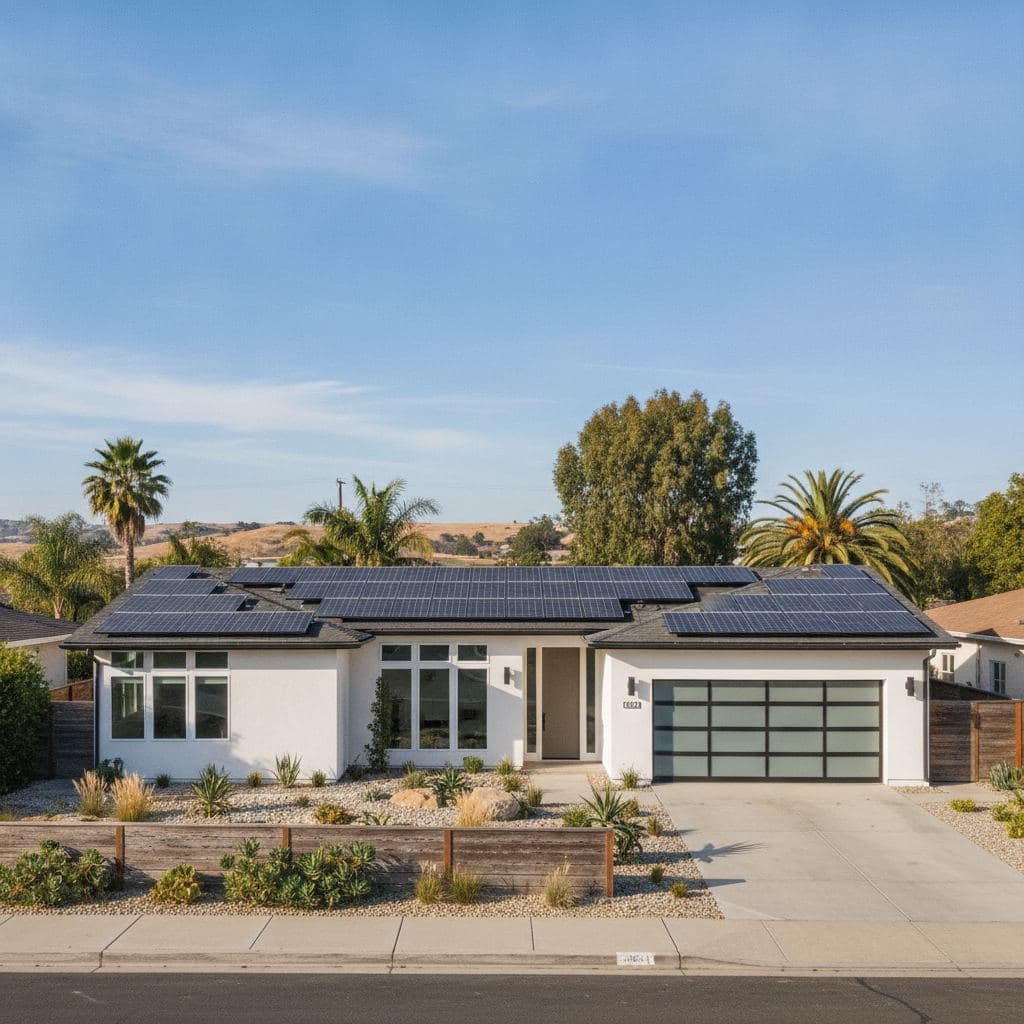
The Powerwall 3 delivers 11.5 kW of continuous power from a single 13.5 kWh unit — more than double the sonnenCore+'s 5 kW continuous output. For a Southern California home on SCE's TOU-D-PRIME rate or SDG&E's peak pricing, that power headroom determines whether your central air conditioner, EV charger, and refrigerator can all run simultaneously during a grid outage. The sonnenCore+ wins on modularity up to 20 kWh in a single cabinet, but the power gap is significant for whole-home backup.
Last verified: October 2026 by Helios Energy Global.
A note on sonnen's corporate situation as of October 2026
Before diving into specs, there is a material fact every California buyer should know. sonnen GmbH filed for insolvency on October 22, 2026.
A spokesperson for sonnen USA told Energy-Storage.news, "sonnen USA will operate as sonnen Inc. USA — as they always have. sonnen Intelligence GmbH is a new German entity, designed to support the US business with R&D efforts."
The German company plans to continue operating one production site and serving more than 150,000 customers.
In plain English: the US business says it is continuing, but the German parent entity that manufactured the hardware is in insolvency proceedings. TIVEN, a family office investment group based in Malta and Germany, acquired sonnen's global business including sonnen USA from Shell.
sonnen USA has doubled sales and tripled production output year-over-year, expanding manufacturing capabilities locally in Stone Mountain, Georgia. That US manufacturing footprint is relevant context, but the warranty backstop of any battery brand depends on the financial health of the entity standing behind it. Ask any sonnen installer for a clear, written answer on how warranty claims are handled before you sign.
Helios Energy Global installs the Tesla Powerwall 3, Enphase IQ Battery 10C, and FranklinWH aPower 2. We are a Tesla Certified Installer. We do not install sonnen products. This page is written to help you compare the two brands factually, not to steer you toward any single choice.
How the two product lines compare
Tesla Powerwall 3
Per Tesla's datasheet: 13.5 kWh AC (nominal) of storage, 11.5 kW AC maximum continuous discharge, 185 A LRA (1 s) of motor-start capability, a built-in solar inverter with 6 MPPTs accepting 20 kW DC maximum solar STC input, 97.5% solar-to-home efficiency, and an operating range of -20°C to 50°C.
The integrated solar inverter is the Powerwall 3's defining feature for new solar installs. It builds an 11.5 kW solar inverter directly into the battery, so a single unit can run a whole home and connect solar without a separate inverter. For a retrofit onto an existing solar system, the Powerwall 3 connects via AC coupling — it works alongside your existing string or microinverter system without replacing it.
Tesla's US Limited Warranty covers the Powerwall 3 for ten years following initial installation, guaranteeing the unit will retain 70% energy capacity at year ten, with unlimited cycles for solar self-consumption, time-based control, and backup applications.
The Powerwall 3 uses a lithium iron phosphate (LFP) battery — a type of lithium-ion cell widely recognized for its long cycle life, strong thermal stability, and resistance to degradation.
Scalability: Up to three Powerwall 3 Expansion units can be installed to provide additional storage , and up to four full Powerwall 3 units can share a system, reaching 54 kWh and 46 kW of continuous output. Each Powerwall 3 Expansion adds 13.5 kWh at an installed cost of roughly $8,000–$11,500 (see our Powerwall 3 cost guide for the full breakdown).
sonnenCore+ and sonnenEvo
The sonnenCore+ is an intelligent energy storage solution that is safe, long-lasting and offers up to 20 kWh of battery capacity, combining smart energy management software with batteries to efficiently manage home energy usage, store excess solar power for use at night, and provide reliable backup power during power outages.
The sonnenCore+ ships in 10 kWh (model SCORE-P10) and 20 kWh (SCORE-P20) configurations, with a nominal power rating of 4.8 kW and a maximum round-trip efficiency of approximately 85.8%.
Cell chemistry is lithium iron phosphate, with 100% depth of discharge.
The sonnenCore+ houses individual lithium-iron-phosphate battery packs, energy management equipment, and an inverter within an indoor-rated cabinet. It is AC-coupled only — it does not contain a solar inverter and must pair with an existing solar inverter or a separate one. This makes it a clean retrofit option but adds a component for new builds.
Continuous output on the Core+ is 5 kW, with a 10 kW surge for motor starts. That surge headroom helps with HVAC compressor starts, but the 5 kW continuous ceiling means running a 3-ton central air conditioner (≈3.5 kW) plus a refrigerator and a few lights leaves very little margin for anything else.
The sonnenEvo is sonnen's DC-coupled platform. The sonnenEvo is the DC-coupled next-generation system for new solar installs, with a modular capacity from 10 to 30 kWh.
The sonnenCore+ is not stackable — you pick 10, 15, or 20 kWh at install. The sonnenEvo is modular in 5 kWh increments up to 30 kWh, which lets a household grow the system if the initial size proves too small.
Warranty: The sonnenCore+ official engineering datasheet lists a 10-year / 10,000-cycle warranty. Some third-party sources cite a 15-year / 15,000-cycle figure for newer sonnen products — confirm the exact warranty terms in writing with any sonnen installer, especially given the current corporate situation.
VPP participation: Unlike conventional solar batteries that focus primarily on backup power, sonnen batteries are engineered with Virtual Power Plant (VPP) technology as their core functionality. For California homeowners, this can mean enrollment in utility demand-response programs. The Tesla Powerwall 3 also supports VPP enrollment (including SCE's Emergency Load Reduction Program) via the Tesla app's Storm Watch and grid services features.
Head-to-head comparison table
| Spec | Tesla Powerwall 3 | sonnenCore+ 10 | sonnenCore+ 20 |
|---|---|---|---|
| Usable capacity | 13.5 kWh | 10 kWh | 20 kWh |
| Continuous power | 11.5 kW | 5 kW | 5 kW |
| Motor-start (LRA) | 185 A (1 s) | 10 kW surge (30 min) | 10 kW surge (30 min) |
| Battery chemistry | LFP | LFP | LFP |
| Solar inverter built in? | Yes (hybrid, 6 MPPTs, 20 kW DC) | No | No |
| Coupling | Hybrid (new solar) / AC (retrofit) | AC only | AC only |
| Scalability | Up to 54 kWh (4 units + 3 Expansions) | Not stackable; pick 10/15/20 kWh at install | Not stackable |
| Outdoor rated? | Yes (IP55/IP67) | No (indoor only) | No (indoor only) |
| Warranty | 10 years, 70% retention, unlimited cycles | 10 years / 10,000 cycles | 10 years / 10,000 cycles |
| Round-trip efficiency | ~97.5% | ~85.8% | ~85.8% |
| Installed cost (estimate) | $14,500–$18,500 (one unit) | Quoted per project | Quoted per project |
| Sold through | Tesla Certified Installers | Certified sonnen dealers | Certified sonnen dealers |
Costs are estimates. Powerwall 3 pricing per Helios 2026 pricing; sonnen pricing is not publicly listed and must be quoted by an authorized installer. See our battery guide for more.
Southern California utility fit: SCE, LADWP, SDG&E
Where you live in Southern California shapes how much a battery actually saves you — and which battery's power output matters most.
SCE (Southern California Edison) — NEM 3.0 territory
SCE customers are on NEM 3.0 (the Net Billing Tariff). Solar export credits are low — often 4–8¢/kWh — so the economic case for a battery is strong: store your solar and use it during the 4–9 PM peak, when SCE's TOU-D-PRIME rate averages roughly 48–58¢/kWh. At those rates, every kWh you shift from the grid to your battery saves real money.
For whole-home backup during a peak-hour outage, the Powerwall 3's 11.5 kW continuous output is the difference between running your central AC and merely keeping the lights on. The sonnenCore+'s 5 kW ceiling is workable for critical circuits but will require a sub-panel or smart panel to prioritize loads. If you have a 3-ton or larger AC unit, a heat pump water heater, and an EV charger, plan carefully around the sonnenCore+'s power limit.
LADWP — retail-rate net metering
LADWP customers still receive retail-rate net metering — roughly 28¢/kWh effective (26–31¢ range) — so the payback math for solar alone is more favorable than under NEM 3.0. A battery still adds backup value and can help avoid LADWP's demand charges on some rate schedules. The power output difference between the two brands matters more for backup than for bill savings here, since LADWP's rate structure doesn't punish solar export the way NEM 3.0 does.
SDG&E — highest rates in the state
SDG&E's average residential rate runs around 46¢/kWh. Storing solar and avoiding peak purchases is extremely valuable. SDG&E is also NEM 3.0 territory, reinforcing the battery-first strategy. With rates this high, maximizing usable kWh matters: a 20 kWh sonnenCore+ or two Powerwall 3 units (27 kWh) will outperform a single 10 kWh unit in bill savings, assuming your solar array is sized to fill them.
Where each battery fits best
Choose the Powerwall 3 if:
- You're adding solar now. The built-in hybrid inverter simplifies the install and eliminates a separate inverter cost.
- You want whole-home backup. 11.5 kW continuous handles central AC, EV charging, and major appliances simultaneously.
- You have a large roof array. The Powerwall 3 accepts up to 20 kW DC of solar input — enough for a 15 kW system — without an additional inverter.
- You want outdoor installation flexibility. The IP55/IP67 rating means garage wall, side yard, or exterior wall are all options.
- You're on SCE or SDG&E and want to maximize NEM 3.0 self-consumption. See our NEM 3.0 explainer and solar vs. battery under NEM 3.0.
Consider sonnen if (and only if):
- You want a larger single-cabinet AC-coupled retrofit — the sonnenCore+ 20 kWh in one indoor cabinet is a clean install alongside an existing solar inverter.
- VPP participation is a priority — sonnen has deep VPP program relationships with California utilities, though Tesla's Powerwall 3 also supports VPP enrollment.
- You've confirmed warranty coverage in writing, given the current corporate restructuring of sonnen GmbH.
For a side-by-side look at the Powerwall 3 against other batteries Helios installs, see our Powerwall 3 vs. Enphase IQ 5P vs. FranklinWH guide and our full Powerwall 3 review.
SGIP rebate in 2026
California's Self-Generation Incentive Program (SGIP) can offset battery costs meaningfully — but residential SGIP budgets are waitlisted in 2026, not open for new applications. Both the Powerwall 3 and sonnen batteries have historically qualified for SGIP. Check the CPUC SGIP portal for waitlist status; installers can help you apply when a new budget opens. Do not factor an assumed SGIP rebate into your payback calculation until you have a reservation number.
Frequently asked questions about sonnen vs Tesla Powerwall
Is the Tesla Powerwall 3 more powerful than the sonnenCore+?
Yes, significantly. The Powerwall 3's 11.5 kW continuous output is well above average — most competitors land in the 5–7 kW range. The sonnenCore+ delivers 5 kW continuous, with a 10 kW surge for up to 30 minutes. For whole-home backup that includes central air conditioning, the Powerwall 3 has a clear advantage.
Can I add a sonnen battery to my existing solar system?
Yes. The sonnenCore+ is AC-coupled, meaning it connects on the AC side of your existing solar inverter. The sonnenCore+ houses individual lithium-iron-phosphate battery packs, energy management equipment, and an inverter within an indoor-rated cabinet — no changes to your solar panels or existing inverter are required. The Powerwall 3 can also be AC-coupled to a retrofit, or installed as the primary hybrid inverter on a new system.
Does sonnen's insolvency affect my warranty if I already own one?
The company plans to continue serving its 150,000-plus customers while restructuring or liquidating several subsidiaries.
sonnen USA told Energy-Storage.news: "sonnen USA will operate as sonnen Inc. USA — as they always have." If you already own a sonnen battery, your installer is your first point of contact for warranty claims. If you are considering a new purchase, ask the installer explicitly who stands behind the warranty and get the answer in writing.
Which battery is better for SCE's NEM 3.0 time-of-use rates?
Both batteries can be programmed to charge from solar during the day and discharge during SCE's 4–9 PM peak. The Powerwall 3's higher round-trip efficiency (~97.5% vs. ~85.8% for sonnenCore+) means slightly more usable energy per solar kWh stored. Over a 10-year system life, that efficiency gap adds up. Both support automated time-of-use optimization via their respective apps. Read our NEM 3.0 guide for the full rate context.
Is there a federal tax credit for buying a battery in 2026?
No. The 30% federal residential clean energy tax credit expired December 31, 2025. There is no federal tax credit available for a battery purchased in 2026, whether you choose a Powerwall 3 or a sonnen. California's SGIP rebate program is the primary incentive to watch, but residential budgets are waitlisted in 2026.
How much does a Tesla Powerwall 3 cost installed in Southern California?
Helios installs the Powerwall 3 at $14,500–$18,500 for a single unit, $24,000–$30,000 for two units, and $8,000–$11,500 per Powerwall 3 Expansion. See our Powerwall 3 cost page for the full breakdown by configuration. These are all-in prices — equipment, labor, Gateway, and permits — quoted in writing with the model number specified.
How does the sonnenEvo differ from the sonnenCore+?
The sonnenCore+ is an entry-level all-in-one AC-coupled system aimed at retrofit installations, shipping in 10, 15, and 20 kWh capacities on the same inverter platform. The sonnenEvo is the DC-coupled next-generation system for new solar installs, with modular capacity from 10 to 30 kWh. The Evo integrates more tightly with a new solar array (DC coupling is generally more efficient), while the Core+ is the cleaner retrofit option for homes with existing solar.
Next steps
- Book a free consultation and custom design — Helios will size the right battery for your home, utility, and solar array at no cost and no obligation.
- Explore all battery options Helios installs — Powerwall 3, Enphase IQ Battery 10C, and FranklinWH aPower 2 compared.
- See Powerwall 3 installed cost details — full pricing by configuration for Southern California.
- Read our full Tesla Powerwall 3 review for 2026 — real-world performance, SCE and LADWP fit, and what to ask your installer.
- Powerwall 3 vs. Enphase IQ 5P vs. FranklinWH — compare all three batteries Helios installs side by side.
- Understand NEM 3.0 and how it changes the battery math — essential reading for SCE and SDG&E customers.
- See solar panel costs for Southern California — the full $2.50–$3.50/W installed range explained.
Sources
- sonnen USA GlobeNewswire press release — TIVEN acquisition, Oct 22 2026 — October 22, 2026
- Energy-Storage.News — sonnen insolvency filing, Oct 23 2026 — October 23, 2026
More guides
What direction should solar panels face in California in 2026?
South-facing panels produce roughly 10-20% more annual energy than west-facing, but west-facing arrays can cut more off your bill under NEM 3.0 and SCE's 4-9 PM peak rates.
ReadWhy is my SCE bill so high in 2026?
SCE residential rates average 34–35¢/kWh in 2026, with TOU peak rates pushing 50¢+ from 4–9 PM — here's what's driving your bill and how to cut it.
ReadHome Battery Backup Without Solar in California: When Does It Make Sense in 2026?
A standalone home battery in California costs $14,000–$18,500 installed and makes financial sense for SCE and SDG&E customers with a 30–45¢/kWh peak-to-off-peak spread—or for anyone in a High Fire Threat District facing PSPS outages.
ReadGet a free consultation and custom design.
No pressure, no obligation — the owner reviews every design we send.