Solar Panel Removal for Insurance Claims: What's Covered in Southern California (2026)
A fire, wind, or hail roof claim in Southern California typically covers solar panel detach-and-reset—but only if the line item is explicitly written into the adjuster's Xactimate scope. Helios charges $250–$350 per panel for the work, about $5,000–$7,000 for 20 panels.
By Taylor Crouse — Founder, Helios Energy GlobalPublished
Quick answer
- A fire, wind, or hail roof claim typically covers solar panel detach-and-reset as part of the covered roof scope — but only if it's line-itemed in the adjuster's estimate.
- Helios charges $250–$350 per panel for detach-and-reset — about $5,000–$7,000 for a typical 20-panel Southern California system; the Xactimate line item (SOLARRS/ELSSOLARRS) prices it per panel, and a missing line can leave that whole cost out of your settlement.
- Document everything before the adjuster arrives: timestamped photos, panel serial numbers, and a 12-month production baseline from your monitoring app.
- If the detach-and-reset is omitted from the initial scope, you can file a supplement — get a written solar contractor quote and submit it directly to the carrier.
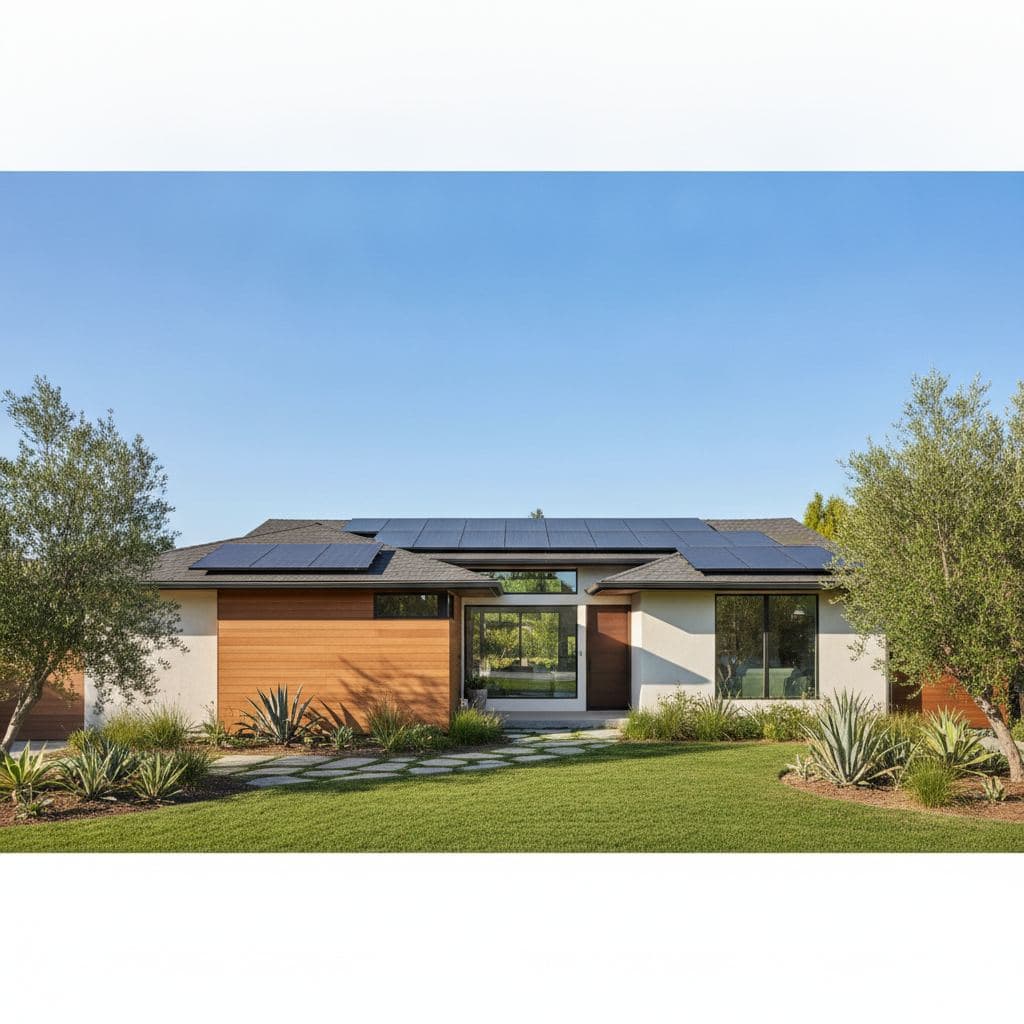
When a covered event — fire, wind, falling debris, or hail — forces a full roof replacement on a Southern California home with solar, the insurer is generally obligated to pay for the solar panel detach-and-reset as part of that claim, because the roof cannot be replaced without it. In practice, however, the detach-and-reset line item is routinely omitted from the adjuster's initial Xactimate scope, and homeowners who don't catch that omission leave thousands of dollars on the table. Helios charges $250–$350 per panel for the work — about $5,000–$7,000 for a typical 20-panel system — and puts that price in writing, with what it includes, for the carrier.
Last verified: September 2026 by Helios Energy Global.
Why detach-and-reset is a covered cost — and why it still gets missed
For storm damage — wind, hail, fallen tree, or fire — the insurer's adjuster usually approves the panel removal and reinstall as part of the covered roof claim, because the roof cannot be repaired without it. The logic is airtight: the panels are physically attached to the roof deck, and no licensed roofing contractor will install new underlayment or shingles underneath a live array. The work is not optional; it is a prerequisite for the covered scope.
The problem is mechanical, not legal. Omissions are not usually intentional. Desk adjusters carry dozens of claims at once and work from templates.
Detach-and-reset is a separate Xactimate line per item, and carriers leave it out routinely. On a roof with solar, the missing line is the whole detach-and-reset cost — $3,750–$10,500 for a 15–30 panel system at Helios's $250–$350 per panel.
Gutters, fascia, and detach-and-reset work for satellite dishes and solar attachments all belong on the same claim when the same event damaged them. They are not roofing line items, but leaving them off is the same mistake in a different category.
Key numbers at a glance
| Item | Typical 2026 range | Notes |
|---|---|---|
| Helios detach-and-reset price | $250–$350 per panel | Covers storage, new flashing and mounting hardware, reinstall, recommissioning and production verification |
| Typical 20-panel system (Helios) | $5,000–$7,000 | Tile and steep-pitch roofs at the top of the range |
| 15–30 panel systems (Helios) | $3,750–$10,500 | Roofing, off-site storage beyond 30 days and failed components are quoted separately |
| Xactimate SOLARRS line item (per panel, varies by market) | ~$120–$130/panel | Carrier-side estimate; may understate actual contractor cost |
| Gap if the D&R line is omitted from the carrier's estimate | The full D&R cost | Supplement this amount |
| FAIR Plan dwelling coverage limit (2026) | Up to $3 million | Fire/lightning/smoke only; DIC wrap needed for other perils |
Helios figures are our $250–$350 per-panel price; the Xactimate figure is a carrier-side estimate that varies by market. Where a job lands in the range depends on system size, roof complexity, and panel age. Get a written per-panel quote, stating what it includes, from a licensed solar contractor before authorizing any work.
How the claim process works, step by step
1. File the roof claim immediately — before any work starts
Call your carrier the same day damage occurs. Do not allow any contractor to begin work until the adjuster has inspected the property. Moving panels before documentation can complicate or void the claim.
2. Document everything before the adjuster arrives
This is where most homeowners underinvest. Gather:
- Timestamped photos of every panel — front, back, and mounting hardware — ideally taken within 24 hours of the event
- Panel serial numbers — photograph the label on each panel or pull them from your original installation permit
- 12-month production baseline — export a CSV from your monitoring app (SolarEdge, Enphase, Tesla app) showing pre-event kWh output; this becomes your "before" benchmark if production drops after reinstall
- Original installation contract and permit — confirms the system's installed value and scope
The adjuster will require a separate quote from a solar contractor for the disconnect-and-reset scope. Have that quote ready before or immediately after the adjuster visit.
3. Read the adjuster's Xactimate estimate line by line
When the carrier sends its estimate, open the PDF and scan every line. You are looking for:
- A line item labeled SOLARRS, ELSSOLARRS, or similar (detach-and-reset, solar electric panel)
- A quantity that matches your actual panel count
- Whether O&P (overhead and profit) — typically 10% + 10% — is included on the solar scope
If your roof has a satellite dish, solar array, gutter guards, HVAC condenser, or lightning rod, those items must be detached, the new roof installed under them, and then reset. Detach-and-reset is a separate Xactimate line per item, and carriers leave it out routinely. On a roof with solar, the missing line is the whole detach-and-reset cost — about $5,000–$7,000 for 20 panels at Helios's price.
4. Supplement if the line is missing or underpriced
If the detach-and-reset line is absent — or if the Xactimate per-panel rate is lower than actual contractor pricing — file a supplement. Here's how:
- Get a written quote from a licensed solar contractor (C-10 electrical license in California) with the per-panel price and what it includes — labor, new hardware, and system testing
- Submit the quote to the carrier with a cover letter citing that the detach-and-reset is a mandatory prerequisite for the covered roof scope
- Request O&P if you are coordinating a roofer and a solar contractor simultaneously — two trades on one job meets the complexity threshold most carriers recognize
If solar is involved, get the solar installer to write a separate proposal; the carrier shouldn't be writing solar work itself.
Homeowners insurance typically does not cover the solar panel detach-and-reset cost unless the roof damage was caused by a covered event like storm damage, and even then, coverage varies significantly by policy. Read your declarations page carefully before assuming coverage.
What about panel damage itself?
A detach-and-reset claim covers detaching and resetting the panels. If the panels themselves are physically damaged — cracked by hail, scorched by fire, or broken by a falling branch — that is a separate line item.
For panel damage caused by something other than the panels themselves (hail strike, branch impact), the panel manufacturer's product warranty does not cover the damage, but your homeowner's policy generally does. The disconnect-and-reinstall scope plus replacement panel cost can be filed together on the homeowner's claim.
Replacement panel cost varies by brand and wattage. Document the model number and watt-class of each damaged panel; the adjuster will price replacements at current market cost, not your original installed price. If panels are discontinued, push for comparable-spec replacements, not a cash settlement based on depreciated value.
High-fire-threat areas: the FAIR Plan angle
Many Southern California homeowners in the Malibu, Altadena, Topanga, and foothill communities — areas designated as High Fire Threat Districts — have been non-renewed by private carriers and are now on the California FAIR Plan.
The FAIR Plan covers fire, lightning, internal explosion, and smoke. It does not cover liability, water damage, theft, or loss of use.
When solar panels are permanently attached to your roof structure, standard homeowners insurance policies treat them as part of the dwelling itself. This means they fall under your dwelling coverage (Coverage A on a standard HO-3 policy) and are protected against the same perils your house is: fire, hail, wind, vandalism, and falling objects.
Under the FAIR Plan, the logic is narrower: the FAIR Plan covers the dwelling structure and the panels attached to it for fire losses, but it does not cover equipment breakdown, workmanship defects, or theft. FAIR Plan policies also do not include personal property or liability coverage for solar-related incidents.
That means if a wildfire forces a full roof replacement on a FAIR Plan home with solar, the detach-and-reset labor for the panels should be covered as part of the dwelling fire claim — but only for fire-related damage. Wind and hail damage to panels would not be covered by a bare FAIR Plan policy. A separate Difference in Conditions (DIC) policy fills those gaps.
Practical checklist for FAIR Plan homeowners with solar:
- Confirm your dwelling coverage limit includes the replacement value of your solar system (a 7–10 kW system adds roughly $17,500–$35,000 to replacement cost at today's installed prices)
- Carry a DIC wrap to cover wind, hail, and other perils the FAIR Plan excludes
- Check your FAIR Plan declarations page for the exact perils listed — do not assume wind or hail are included
- See our High Fire Threat District map to confirm whether your property falls in a HFTD zone, which affects both your insurance options and your wildfire risk profile
SCE vs. LADWP: does your utility matter for a claim?
Your utility does not directly affect how your insurance claim is handled — but it affects how much you lose while the system is down.
SCE rates are current as of June 1, 2026. At an average of roughly 34–35¢/kWh (per SCE's own rate comparison data), a 10 kW system that produces ~1,400 kWh/month represents about $475–$490/month in avoided electricity cost. Every month the system sits disconnected during a claim is real money out of pocket.
LADWP customers operate under retail-rate net metering (not NEM 3.0), with an effective rate in the 26–31¢/kWh range. The financial hit from a prolonged detach-and-reset delay is somewhat lower than for SCE customers, but still meaningful. LADWP is a municipal utility and is not subject to CPUC's NEM 3.0 (Net Billing Tariff) — see our NEM 3.0 explainer for the full breakdown of which utilities are affected.
For SCE customers specifically: NEM 3.0 solar owners are on TOU-D-PRIME, with a 4–9 PM peak window. If your system is offline during a claim, you are buying that peak power at retail rates — up to ~50–60¢/kWh in summer — with no solar offset. This makes a fast, well-documented supplement process financially urgent, not just administratively tidy.
Leased or PPA systems: one extra step
Whether removal is covered depends on whether you own, finance, or lease your system. Leased and PPA systems usually need the solar company's approval.
If your panels are under a lease or power purchase agreement, the solar company — not you — owns the equipment. That means:
- The carrier may need to coordinate directly with the solar company for the detach-and-reset scope
- The solar company may have its own certified removal crews and may not accept third-party contractors
- Your lease contract likely requires you to notify the solar company of any damage within a specific window — check your agreement and notify them the same day you file the claim
Do not authorize any contractor to touch leased panels without written approval from the solar company.
Frequently asked questions about solar panel removal insurance claims
Does homeowner's insurance always cover solar panel detach-and-reset during a roof claim?
Homeowners insurance typically does not cover the solar panel detach-and-reset cost unless the roof damage was caused by a covered event like storm damage, and even then, coverage varies significantly by policy. Read your policy's declarations page and covered perils list before assuming the work is included. If it is a covered event, push to have the line explicitly written into the scope.
How much does solar panel detach-and-reset cost in Southern California?
Helios charges $250–$350 per panel for detach-and-reset — about $5,000–$7,000 for a typical 20-panel system and $7,500–$10,500 for 30 panels.
That per-panel price covers the whole job: labeled on-site storage, new flashing and mounting hardware at every attachment, reinstallation, recommissioning and production verification. Tile and steep-pitch roofs land at the top of the range. Get a written, per-panel quote from a licensed C-10 solar contractor before submitting it to the carrier.
What Xactimate line item covers solar panel detach-and-reset?
There is a line item in Xactimate, ELSSOLARRS, which pays to detach and reset a solar electric panel with mounting hardware. The related line SOLARRS prices similarly. SOLARRS pays about $127 per panel in some markets. If neither line appears in the carrier's estimate, that is the omission you need to supplement.
What if the adjuster's estimate is lower than the actual solar contractor's quote?
File a supplement. Get the solar contractor's written, per-panel quote — stating what the price includes, such as labor, hardware, and system commissioning — and submit it to the carrier with a letter explaining that the detach-and-reset is a mandatory prerequisite for the covered roof replacement. If solar is involved, get the solar installer to write a separate proposal; the carrier shouldn't be writing solar work itself. Most carriers will accept a credentialed contractor quote as the basis for the supplement.
Does the California FAIR Plan cover solar panels?
The FAIR Plan covers the dwelling structure and the panels attached to it for fire losses, but it does not cover equipment breakdown, workmanship defects, or theft. If you are on the FAIR Plan and your roof is damaged by wind or hail — not fire — the panels are not covered unless you also carry a DIC (Difference in Conditions) policy that includes those perils. Check your declarations page.
Do I need a permit to reinstall panels after a roof replacement?
In most Southern California jurisdictions — including Los Angeles, Pasadena, and Santa Monica — reinstalling panels on a new roof requires at minimum an electrical permit and inspection, even if the system itself is unchanged. Permit fees typically run $150–$1,000 depending on the municipality. Confirm with your local building department before work begins; the permit cost can also be included in the supplement if it was not in the adjuster's original scope.
How long does a solar panel detach-and-reset take?
A standard residential detach typically takes one day, and the reinstall one to two days once the roofer is done. For a combined roof replacement and solar reinstall, budget 3–5 working days total, depending on contractor scheduling and permit turnaround. Every day the system is offline is electricity you are buying at retail rates — document the outage period and consider including lost production in your claim documentation.
Next steps
- Book a free consultation and custom design — we can provide a written, per-panel detach-and-reset quote in the format insurance carriers accept, and we will document your system's pre-event production baseline.
- See what a solar system costs in Southern California — if your panels were damaged and need replacement, understand current installed pricing before accepting the carrier's settlement offer.
- Learn how NEM 3.0 affects your export credits — SCE customers on the Net Billing Tariff need to understand what a system outage costs them in lost export revenue.
- Understand solar + battery under NEM 3.0 — if you are rebuilding after a fire or major storm, this is the moment to add storage.
- Check our High Fire Threat District map — confirm whether your property is in a HFTD zone, which affects both your insurance options and the wildfire risk your system is exposed to.
- Explore battery storage options — a battery system keeps your home powered during the claim period and reduces your exposure to peak retail rates while the solar array is offline.
Sources
- SCE Rate Comparisons — Rates Current as of June 1, 2026 (sce.com primary tariff page) — June 1, 2026
- Roof Claim Playbook — Xactimate Estimate Gap Guide (roofclaimplaybook.com) — April 24, 2026
- The Estimate Company — Xactimate Line Items Explained (theestimatecompany.com) — August 9, 2026
- Solar Equity Solutions — Solar Panel Detach and Reset Cost Guide (solarequitysolutions.com) — September 1, 2026
- Latent Insurance — California FAIR Plan Coverage Guide (latentinsure.com) — August 14, 2026
More guides
Best Solar Companies in Jurupa Valley, CA (2026): A Homeowner's Honest Guide
Jurupa Valley homeowners get 5.9 peak sun hours and face Southern California Edison's NEM 3.0 net billing rules — making battery pairing and installer expertise more important than ever. Here's how to choose wisely in 2026.
ReadHow to Get Out of a Solar Contract or Lease in California (2026)
California homeowners have 5 business days (7 if 65+) to cancel a solar contract signed at home — here are every realistic exit, from the statutory window to lease transfer.
ReadHow old can a roof be for solar in 2026?
Most installers want 15+ years of life left in your roof — here's the age limit by material and what to do if you're close to the line.
ReadGet a free consultation and custom design.
No pressure, no obligation — the owner reviews every design we send.