How old can a roof be for solar in 2026?
Most installers want 15+ years of life left in your roof — here's the age limit by material and what to do if you're close to the line.
By Taylor Crouse — Founder, Helios Energy GlobalPublished
Quick answer
- Most reputable installers require at least 15 years of remaining roof life before mounting solar panels.
- Composition shingles typically age out around 20–25 years old; tile roofs can remain viable into their 30s.
- A partial reroof under just the panel footprint typically costs $3,000–$8,000 — far less than a full reroof later.
- Removing and reinstalling panels for a future roof replacement adds $5,000–$7,000 (about $250–$350 per panel) to that project; avoiding it is the main financial argument for reroofing first.
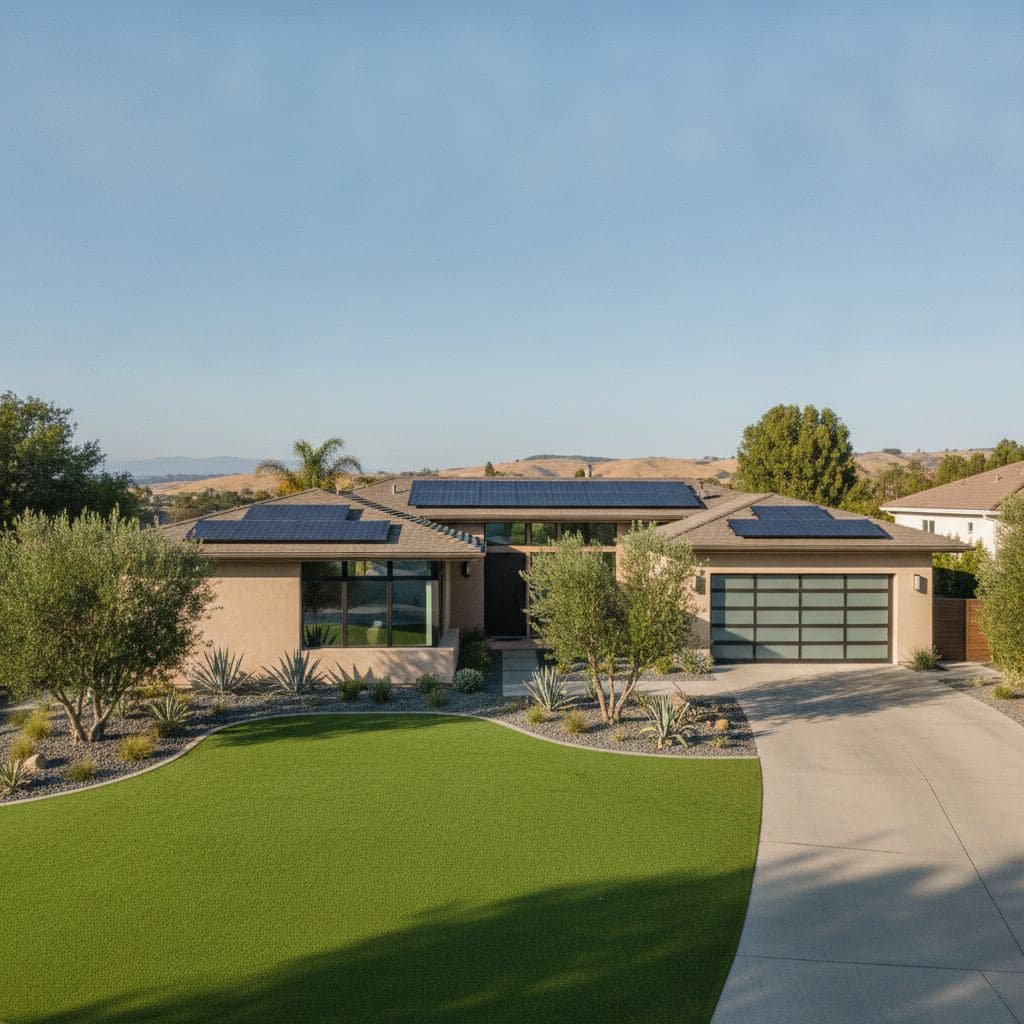
Most installers will not mount panels on a roof with fewer than 15 years of life remaining — because pulling panels off mid-system-life to reroof costs $5,000–$7,000 ($250–$350 per panel), on top of the roofing bill. The exact age threshold depends on your material: a 20-year-old three-tab shingle roof is almost certainly too old, while a 20-year-old concrete tile roof may have decades left.
Last verified: September 2026 by Helios Energy Global.
Why the 15-year rule exists
Solar panels carry 25-year performance warranties. Inverters last 10–15 years. The whole system is designed to run for at least two decades before the economics start to shift. If your roof gives out at year 8, you now have two expensive problems at once: a failing roof and a $5,000–$7,000 panel removal/reinstall bill on top of roofing labor and materials.
The 15-year benchmark is a practical buffer. It means that even in a worst-case scenario — your roof ages faster than expected — you still get a solid decade of uninterrupted solar production before any disruption.
Lenders and solar financing companies also care. Many loan products require a structural inspection confirming adequate remaining roof life before funds are released.
Age thresholds by roofing material
Different materials age at very different rates. The table below shows typical lifespans, the age at which most installers start asking hard questions, and a rough "proceed / pause / reroof first" signal.
| Roofing Material | Typical Total Lifespan | Age at Which to Pause | Common Southern CA Verdict |
|---|---|---|---|
| 3-tab asphalt shingle | 20–25 years | 10+ years old | Reroof first if 12+ yrs old (estimate) |
| Architectural / dimensional shingle | 25–30 years | 15+ years old | Inspect carefully; reroof if 18+ yrs old |
| Concrete tile | 40–50 years | 30+ years old | Usually fine; check underlayment age |
| Clay tile | 50–100 years | 40+ years old | Underlayment (15–20 yr life) often needs replacing |
| Flat / TPO / modified bitumen | 15–25 years | 10+ years old | Ballasted or attached mount; age critical |
| Metal standing seam | 40–70 years | 35+ years old | Excellent solar substrate; clamp mounts |
| Wood shake | 20–30 years | 15+ years old | Fire risk; many SoCal jurisdictions restrict new shake |
All lifespans are estimates and vary by installation quality, ventilation, and Southern California's sun/heat exposure.
A note on clay and concrete tile: The tile itself is nearly immortal, but the felt underlayment beneath it has a 15–25 year lifespan. A 35-year-old tile roof with original underlayment is a common scenario in older Pasadena, San Marino, and Santa Monica homes — the tile looks fine, but the underlayment is overdue. An installer who doesn't check underlayment age is cutting corners.
The partial-reroof option: reroofing only under the panels
If your roof is borderline — say, a 15-year-old architectural shingle with 10–12 years left — you don't necessarily have to reroof the entire house before going solar. Many homeowners in Southern California choose a partial reroof: replacing shingles only in the footprint where panels will sit.
- A typical residential array covers 400–700 sq ft of roof plane.
- Partial reroof of that area typically runs $3,000–$8,000 depending on pitch, access, and material costs.
- A full reroof of a 1,800–2,400 sq ft SoCal home runs $15,000–$35,000+ for tile, less for shingles.
- The partial reroof gives the panel zone a fresh 25-year substrate while deferring the full roofing cost.
This approach makes sense when the rest of your roof is in reasonable shape and you want solar now. It does not make sense if the whole roof is failing — in that case, do the full reroof first, then go solar. See our solar-plus-roof guide for a side-by-side cost comparison.
What a roof inspection actually looks for
Before any design is finalized, a reputable installer will assess:
- Shingle or tile condition: curling, cracking, granule loss, broken tiles
- Underlayment age and condition (especially on tile roofs)
- Decking integrity: soft spots, rot, or water damage in the plywood or OSB beneath
- Flashing condition around chimneys, vents, and valleys
- Structural load capacity: panels add roughly 2–4 lbs per sq ft; most SoCal roofs handle this easily, but older or custom framing may need an engineer's sign-off
- Penetration plan: where lag bolts will go, and whether rafters are in good shape at those points
At Helios, we do this assessment as part of our free consultation and custom design. We'd rather tell you to wait six months and reroof than put panels on a roof that's going to cause problems.
Southern California specifics
Sun exposure accelerates aging. Inland Southern California — Riverside, San Bernardino, the San Fernando Valley — sees intense UV and heat that can shave 3–5 years off a shingle roof's rated life compared to a coastal installation in Santa Monica or Manhattan Beach. If you're in a hot inland zip code, use the conservative end of any lifespan estimate.
SCE vs. LADWP economics change the urgency. Under SCE's NEM 3.0 (Net Billing Tariff), the value of solar export is much lower than under LADWP's retail-rate net metering. SCE customers have a stronger financial incentive to pair solar with a battery (to self-consume rather than export), while LADWP customers can still export at close to retail rates. This doesn't change the roof-age math, but it does affect how you think about the cost-benefit of reroofing first versus waiting. Learn more in our NEM 3.0 explainer.
LADWP customers: LADWP is a municipal utility and is not on NEM 3.0. LADWP still offers retail-rate net metering, making the payback math more straightforward. At an effective rate of roughly 28¢/kWh (range: 26–31¢), every year of delay on solar is real money left on the table — which is an argument for doing a partial reroof now rather than waiting.
SCE customers: SCE's average residential rate runs approximately 34–35¢/kWh, with a 4–9 PM TOU peak that makes battery storage especially valuable. The higher rate also means a faster payback on a combined reroof-plus-solar project. See our solar panel cost page for current installed cost ranges.
The remove-and-reinstall cost: the number that changes minds
When homeowners hear "$5,000–$7,000 to remove and reinstall panels," it often reframes the entire decision. Here's what that cost covers:
- Panel removal: disconnecting, labeling, and safely storing 20–30 panels
- Racking removal: unbolting the mounting hardware and patching penetrations
- Reinstallation: remounting, rewiring, re-inspecting, and re-commissioning
- Permit fees in some jurisdictions (Los Angeles, Santa Monica, and others may require a new electrical inspection)
This cost is not covered by most solar warranties or homeowner's insurance policies. It's entirely out-of-pocket, and it arrives at the worst possible time — when you're also paying for a full reroof. Doing a partial reroof before installation, at $3,000–$8,000, is often the cheaper path even if it feels like an added cost today.
Key numbers at a glance
| Decision Factor | Typical Range / Threshold |
|---|---|
| Minimum remaining roof life required | 15 years |
| Partial reroof (panel footprint only) | $3,000–$8,000 (estimate) |
| Full reroof before solar (shingle, SoCal) | $10,000–$20,000 (estimate) |
| Full reroof before solar (tile, SoCal) | $18,000–$35,000+ (estimate) |
| Panel removal + reinstall for future reroof | $5,000–$7,000 for a 20-panel array ($250–$350 per panel) |
| Solar install cost (before incentives) | $2.50–$3.50/watt |
| SCE average residential rate (2026) | ~34–35¢/kWh |
| LADWP effective rate (2026) | ~28¢/kWh (26–31¢ range) |
All cost figures are estimates for Southern California in 2026. Get a site-specific quote for your home.
Frequently asked questions about roof age for solar
Can I put solar on a 20-year-old roof?
It depends entirely on the material. A 20-year-old concrete tile roof with good underlayment is likely fine. A 20-year-old three-tab asphalt shingle roof is probably at or past its limit and should be replaced first. Have an installer assess the actual condition, not just the age.
What happens if my roof fails after solar is installed?
You'll need to pay $5,000–$7,000 to have the panels removed, then pay for the roof replacement, then pay to have the panels reinstalled. This is the scenario the 15-year rule is designed to prevent. Some roofing contractors work with solar companies to streamline the process, but the cost is still yours.
Will a solar installer tell me if my roof is too old?
A reputable installer will — and should. Be cautious of any company that skips a roof inspection or tells you your aging roof is "fine" without actually getting on it. At Helios, our design process includes a roof assessment before we finalize any proposal.
Does reroofing before solar affect my financing or warranty?
A new roof can actually improve your financing options, since lenders want to see structural integrity. Solar panel warranties (typically 25 years on product, 25 years on power output) are not affected by the age of the roof beneath — but they also don't cover damage caused by a failing roof, so a sound substrate protects your warranty in practice.
Is the partial-reroof approach common in Southern California?
Yes, especially in older neighborhoods like Silver Lake, Pasadena, Santa Monica, and the South Bay where homes from the 1970s–1990s are common. A partial reroof under the panel footprint is a practical middle ground that many homeowners use to go solar without the full cost of an immediate whole-home reroof.
Does roof age affect my NEM 3.0 interconnection application with SCE?
SCE's interconnection process does not ask about roof age directly — that's between you and your installer. However, if a roof failure causes a system outage, you're responsible for maintaining the system per your interconnection agreement. A sound roof is part of keeping your system operational. See our NEM 3.0 guide for more on the interconnection process.
What roof types are best for solar in Southern California?
Standing-seam metal is the easiest — panels clamp on with no penetrations. Concrete and clay tile are common in SoCal and work well when the underlayment is sound. Composition shingles are the most common substrate nationwide and install cleanly. Flat roofs work with ballasted or attached racking. Learn more on our roof types page.
Next steps
- Book a free consultation and custom design — we'll assess your roof and give you an honest answer before any commitment.
- Explore our solar-plus-roof options — see how a combined reroof and solar project pencils out financially.
- See current solar panel costs for Southern California — installed price ranges by system size.
- Understand NEM 3.0 if you're an SCE customer — your utility affects your payback timeline.
- Compare solar with and without battery storage — especially relevant for SCE customers on NEM 3.0.
- Learn about battery storage options — if your roof is sound and you're ready to design a full system.
- Find your nearest Helios location — we serve Santa Monica, Los Angeles, and surrounding Southern California communities.
More guides
Best Solar Companies in Westlake Village, CA (2026): Honest Rankings for a Unique Market
Westlake Village sits on the SCE/LADWP border with tile roofs, high AC loads, and strong solar potential — here's how to pick the right installer in 2026 without overpaying or getting misled on incentives.
ReadDo You Need a Permit to Remove and Reinstall Solar Panels in California? (2026)
In virtually every Southern California jurisdiction, removing and reinstalling solar panels requires at least an electrical permit and a final inspection — and in some cities a full re-permit — before your utility will reissue Permission to Operate.
ReadHow many watts does a TV use? (2026 guide with real numbers)
A modern 55-inch LED TV uses roughly 60–100 watts while running — here's what that costs at SCE and LADWP rates and how it factors into solar sizing.
ReadGet a free consultation and custom design.
No pressure, no obligation — the owner reviews every design we send.