What is the SGIP battery rebate status in 2026?
California's SGIP residential battery rebate budgets are waitlisted in 2026, but income-qualified homeowners may still access up to the Equity Resiliency tier — here's what that means for Southern California.
By Taylor Crouse — Founder, Helios Energy GlobalPublished
Quick answer
- SGIP residential general market budgets are waitlisted as of 2026 — new general applications are not being funded.
- The Equity and Equity Resiliency tiers remain the only active residential pathways; income-qualified homeowners in high fire-risk or medically baseline areas are the primary candidates.
- Installed battery costs in Southern California run roughly $14,000–$18,500 per unit before any incentive.
- The 30% federal residential solar tax credit expired December 31, 2025 — there is no federal credit for a 2026 battery-only or solar+battery purchase.
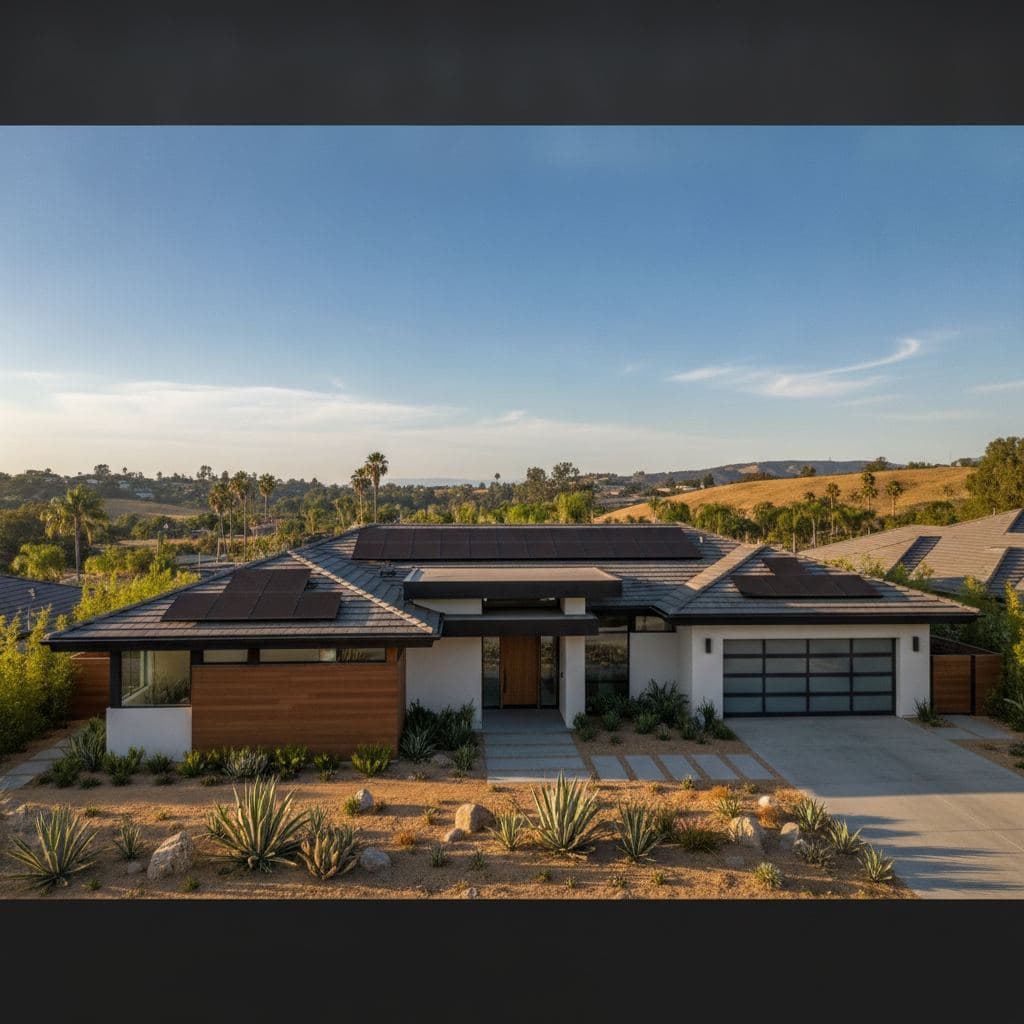
California's Self-Generation Incentive Program (SGIP) residential general-market budget has been waitlisted since budget exhaustion in prior program years, and as of mid-2026 no new general-market residential funds have reopened. The only active residential pathways are the Equity and Equity Resiliency tiers, which target income-qualified households, medical baseline customers, and homes in high fire-threat districts (HFTDs).
Last verified: September 2026 by Helios Energy Global.
What SGIP actually is — and why it matters less in 2026 than it did
SGIP is a California Public Utilities Commission (CPUC) program that pays a per-watt-hour incentive to homeowners and businesses who install behind-the-meter battery storage. It is administered by the investor-owned utilities — SCE, PG&E, and SDG&E — which means LADWP customers, Pasadena PWP customers, Burbank, Glendale, Anaheim, and Riverside RPU customers are not eligible for SGIP at all. Those municipal utilities run separate programs (or none at all) and are outside CPUC jurisdiction.
If you're an SCE customer in Santa Monica, Culver City, the South Bay, or the San Gabriel Valley, SGIP is theoretically available to you — but the practical reality in 2026 is that the general residential bucket is exhausted and waitlisted.
The three residential SGIP tiers — and which ones are open
SGIP is divided into budget categories. For residential customers, there are effectively three tiers that matter:
| Tier | Who qualifies | 2026 status | Approximate incentive level |
|---|---|---|---|
| General Market | Any residential customer of SCE/PG&E/SDG&E | Waitlisted — not funded | ~$0.15–$0.25/Wh (estimate, if reopened) |
| Equity | Income-qualified households (CARE/FERA enrolled, or DAC-located) | Limited — check with utility | Higher $/Wh than general market (estimate) |
| Equity Resiliency | Income-qualified + medical baseline OR located in Tier 2/3 HFTD + experienced 2+ public safety power shutoffs (PSPS) | Most active residential path | Highest $/Wh tier (estimate) |
Incentive dollar amounts shown as estimates; actual amounts are set by CPUC resolution and subject to change. Do not use these figures for financial planning — get a current quote from your utility program administrator.
General Market: waitlisted, plain and simple
If you're a standard SCE residential customer who doesn't meet the equity criteria, there is no SGIP money waiting for you right now. Budgets were oversubscribed. You can ask to be placed on a waitlist, but there is no reliable timeline for when — or whether — new general market funds will be appropriated. We won't pretend otherwise.
Equity Tier: income-qualified households
The Equity tier targets customers enrolled in CARE (California Alternate Rates for Energy) or FERA (Family Electric Rate Assistance), or those living in a Disadvantaged Community (DAC) as defined by CalEnviroScreen. If you're already on CARE with SCE, you're likely paying a discounted rate — and you may also qualify for a higher SGIP incentive that can meaningfully reduce your battery cost.
To check: Log into your SCE account, confirm your CARE enrollment status, then contact SCE's SGIP administrator or a registered SGIP trade professional (your installer) to apply.
Equity Resiliency: the most accessible active path in fire-prone SoCal
This is the tier most relevant to homeowners in foothill communities — Altadena, Arcadia, Monrovia, Glendora, La Cañada, and similar areas that have experienced PSPS events and sit in Tier 2 or Tier 3 High Fire-Threat Districts.
To qualify for Equity Resiliency, you generally need to meet all of these:
- Income-qualified (CARE/FERA or DAC location), OR on medical baseline
- Located in a Tier 2 or Tier 3 HFTD
- Your area has experienced two or more PSPS events
The Equity Resiliency incentive is the highest per-watt-hour rate in the program. For a typical 10–13 kWh home battery, this can represent a substantial reduction in out-of-pocket cost — though we won't quote a specific dollar figure here because amounts are set by CPUC resolution and vary by system size. Your installer will pull the current incentive schedule from the utility.
The RSSE program: a separate income-qualified path worth knowing
Separate from SGIP, the Residential Solar and Storage Equity (RSSE) program — also administered through the CPUC — was designed to bring solar and battery systems to low-income households at reduced or no cost. Funding and availability vary by program year. If you qualify for CARE or FERA, it's worth asking your installer whether RSSE slots are available in your area, as it can layer with or substitute for SGIP depending on your situation.
What this means for your battery economics in 2026
Let's be direct about the math. A home battery in Southern California costs roughly $14,000–$18,500 installed, depending on brand, capacity, and site complexity. Without an incentive, that's the full number you're financing or paying out of pocket.
The federal 30% residential tax credit expired December 31, 2025. There is no federal incentive for a battery purchased in 2026. Anyone telling you otherwise is either misinformed or working from outdated materials.
So the value case for batteries in 2026 rests on:
- SCE's NEM 3.0 (Net Billing Tariff): If you're on SCE and going solar, NEM 3.0 pays you avoided-cost rates for exports (much lower than retail), which makes storing your own solar power and using it during the 4–9 PM peak window (where SCE rates run ~34–35¢/kWh) the economically rational move. A battery earns its keep by shifting solar production to peak hours rather than exporting it cheaply. See our NEM 3.0 explainer for the full breakdown.
- LADWP customers: LADWP is a municipal utility, not subject to NEM 3.0. LADWP still offers retail-rate net metering at an effective rate of roughly 28¢/kWh. The battery value calculation is different — and generally less urgent for bill management, though backup power and PSPS resilience remain valid reasons to add storage. LADWP customers are also not eligible for SGIP.
- PSPS resilience: For foothill and canyon homeowners who've lost power for days at a time, the value of backup power is real and not purely financial.
For a deeper look at how solar and battery economics interact under NEM 3.0, see Solar vs. Battery under NEM 3.0.
How to actually apply for SGIP if you think you qualify
- Confirm your utility. SGIP is only for SCE, PG&E, and SDG&E customers. LADWP and other munis: stop here.
- Check your income-qualification status. Log into your SCE account or call SCE to confirm CARE/FERA enrollment.
- Check your fire-threat district. The CPUC's HFTD map is publicly available. Your installer can also look this up.
- Work with a registered SGIP trade professional. Installers must be registered with the program to submit applications on your behalf. At Helios Energy Global, we handle this paperwork as part of the design and installation process.
- Apply before installation. SGIP requires pre-approval before the system is installed. You cannot apply retroactively.
- Expect a timeline. Even approved applications involve inspection, interconnection, and incentive payment steps that take months. Don't count on the check arriving quickly.
Frequently asked questions about SGIP battery rebates in 2026
Is the SGIP rebate still available in 2026?
The general residential market budget is waitlisted — meaning new applications are not being funded from that pool. The Equity and Equity Resiliency tiers remain the active residential pathways for income-qualified customers. If you don't meet those criteria, there is currently no SGIP money available for a standard residential battery purchase.
How much is the SGIP rebate worth per battery?
SGIP pays a per-watt-hour incentive set by CPUC resolution, and the rate differs by tier. For a 10–13 kWh battery, the Equity Resiliency incentive can be meaningful, but we won't publish a specific dollar figure here because amounts change with each program budget cycle. Ask your installer to pull the current CPUC-published incentive schedule.
Does SGIP apply to LADWP customers in Los Angeles?
No. SGIP is administered by investor-owned utilities under CPUC jurisdiction. LADWP is a municipal utility and is entirely outside the SGIP program. LADWP has its own solar incentive structure and retail-rate net metering, but no SGIP equivalent for batteries as of 2026.
Can I combine SGIP with the federal tax credit in 2026?
The 30% federal residential solar and battery tax credit expired December 31, 2025. There is no federal credit to combine with SGIP for a 2026 purchase. The only incentive stacking available is SGIP (if you qualify) plus any utility-specific programs.
What is the Equity Resiliency tier, and do I qualify?
Equity Resiliency is the highest-incentive SGIP tier, designed for income-qualified customers (CARE/FERA or medical baseline) who live in Tier 2 or Tier 3 High Fire-Threat Districts and have experienced two or more PSPS outages. It's most relevant for foothill and canyon communities in LA and San Bernardino counties served by SCE. Your installer can check your address against the HFTD map.
Is there a waitlist I can join for general market SGIP?
Technically, yes — you can ask to be placed on a waitlist. Practically, there is no committed timeline for when or whether new general market residential funds will be authorized by the CPUC. We recommend planning your battery economics without assuming waitlist funds will arrive on any predictable schedule.
What's the RSSE program and is it different from SGIP?
The Residential Solar and Storage Equity (RSSE) program is a separate CPUC initiative that can provide solar and battery systems to income-qualified households, sometimes at significantly reduced cost. It's worth asking your installer whether RSSE slots are available in your area, especially if you qualify for CARE or FERA. Availability varies by program year and geography.
Next steps
- Book a free consultation and custom design — we'll check your SGIP tier eligibility, pull your utility's current incentive schedule, and model your battery payback honestly.
- Explore battery storage options and costs — see the systems we install and what they cost in Southern California.
- Understand your solar panel costs in 2026 — know the full picture before adding storage.
- Read our NEM 3.0 explainer — if you're on SCE, this is essential reading before you decide on solar or batteries.
- Compare solar vs. battery economics under NEM 3.0 — see how the numbers actually work for SCE customers.
- See our Southern California service locations — we serve Santa Monica, the South Bay, the San Gabriel Valley, and surrounding areas.
More guides
Best Solar Companies in San Dimas, CA (2026): An Honest Local Guide
A straight-talking, numbers-first guide to the top solar installers serving San Dimas, CA in 2026 — covering SCE net billing, local roof types, battery storage, and how to compare quotes without getting burned.
ReadThe 10 Best Solar Companies in Fallbrook, CA (2026): Fire Country, Acreage Homes, and SDG&E's ~46¢/kWh Rates
Fallbrook's rural acreage, well pumps, ag loads, and serious PSPS fire-shutoff risk make solar + battery a different engineering problem than a tract-home install. Here's how to find the right company for it.
ReadSPAN Smart Panel Review: Is It Worth It in 2026?
A SPAN smart panel runs $3,500–$5,500 installed and can eliminate the need for a costly service upgrade — here's who it actually makes sense for in Southern California.
ReadGet a free consultation and custom design.
No pressure, no obligation — the owner reviews every design we send.