How to clean solar panels (and when to hire a pro) in 2026
DIY cleaning with deionized water and a soft brush takes 20–30 minutes and can recover 5–25% of lost production in Southern California's dusty and ash-prone areas.
By Taylor Crouse — Founder, Helios Energy GlobalUpdated
Quick answer
- Soiling (dust, ash, bird droppings) reduces solar output by 5–25% in Southern California, with the high end common in inland and wildfire-smoke zones.
- Safe DIY cleaning uses deionized or distilled water + a soft-bristle brush or squeegee; the job takes 20–30 minutes for a typical 20–25 panel system.
- Clean 2–4 times per year in coastal areas (Santa Monica, Long Beach); 4–6 times in inland/desert zones (Riverside, San Bernardino, Palmdale).
- Professional cleaning typically runs $100–$250 per visit for a standard residential system — see our solar panel cleaning service for local pricing.
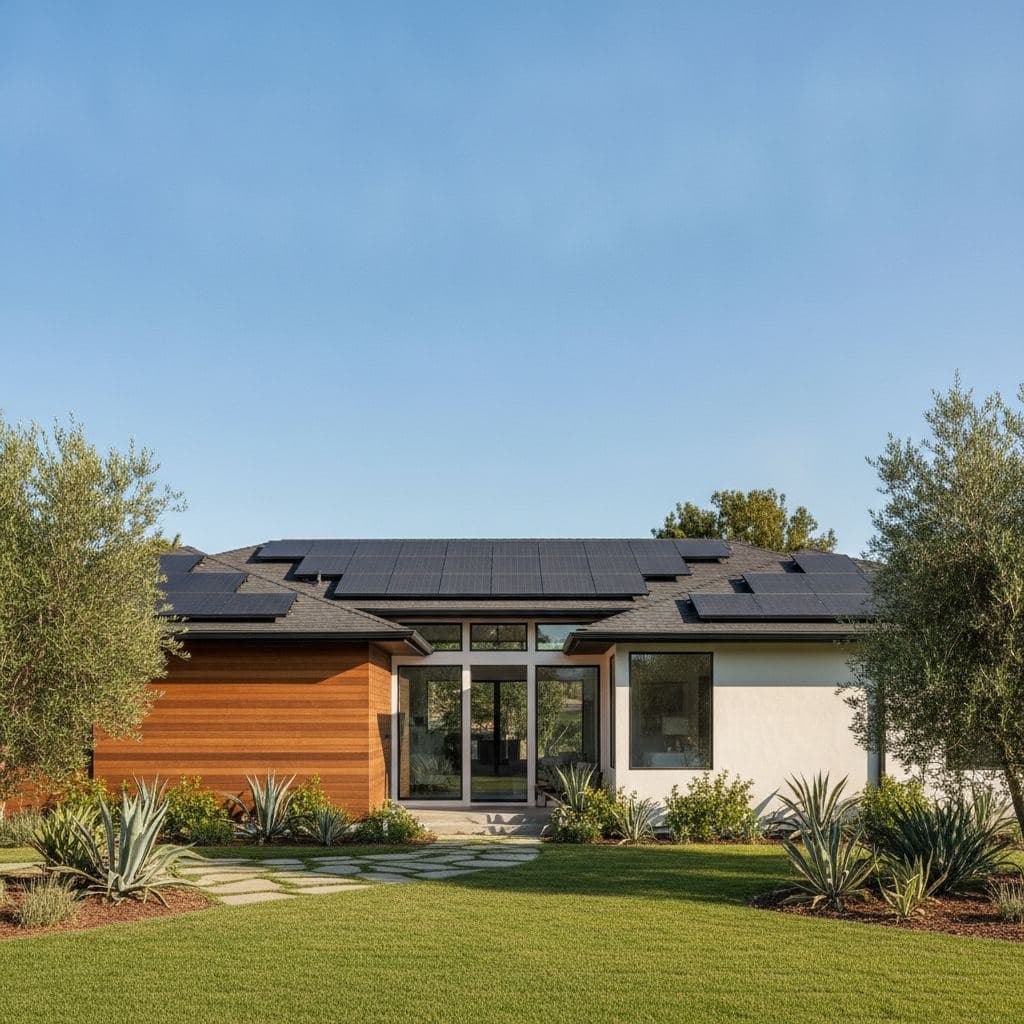
Soiling losses in Southern California average 10–15% annually for systems that are never cleaned, and can spike to 25% or more after a wildfire smoke event or a long dry stretch in the Inland Empire. The good news: a proper DIY rinse in the morning with the right tools restores nearly all of that lost production in under half an hour — no special equipment required.
Last verified: August 2026 by Helios Energy Global.
Why dirty panels matter more in SoCal than almost anywhere else
Southern California's combination of low annual rainfall, coastal marine layer residue, heavy traffic corridors, and periodic wildfire ash makes panel soiling a genuine performance issue — not a cosmetic one. The Los Angeles Basin sits in a natural air-quality bowl. Particulates settle on glass surfaces and, unlike the Pacific Northwest, there is rarely enough rain to self-clean.
The main culprits by zone:
- Coastal (Santa Monica, Venice, El Segundo): Salt mist and marine layer film. Builds slowly; 2–3 cleans per year usually sufficient.
- San Fernando Valley / SFV suburbs: Dust, traffic particulates, and periodic ash. 3–4 cleans per year recommended.
- Inland Empire (Riverside, San Bernardino, Ontario): High dust, agriculture particulates, Santa Ana wind deposits. 4–6 cleans per year.
- High Desert (Palmdale, Lancaster, Victorville): Desert dust and sand. 5–6 cleans per year; sometimes monthly during windy season.
- Wildfire smoke events (anywhere in SoCal): Clean within 1–2 weeks after significant smoke. Ash is mildly acidic and etches glass if left to bake in.
The safe DIY cleaning method — step by step
What you need
- Deionized (DI) or distilled water — tap water leaves mineral deposits (calcium, magnesium) that create a film worse than the original dirt. A DI water hose filter ($30–$80 at hardware stores) attaches directly to your garden hose.
- Soft-bristle brush or squeegee with an extendable pole (6–12 ft) — allows ground-level cleaning for most single-story and many two-story rooflines.
- Mild dish soap (optional, 1–2 drops per gallon) — only for stubborn bird droppings; rinse thoroughly afterward.
- Non-abrasive cloth or chamois for edge wiping if needed.
What NOT to use
- Pressure washers — high-pressure water forces water under panel frames, can crack cells, and almost universally voids manufacturer warranties. This is the single most common DIY mistake we see.
- Abrasive scrubbers or steel wool — scratches the anti-reflective coating permanently.
- Ammonia-based cleaners (Windex, etc.) — degrades EVA encapsulant over time.
- Hard tap water — mineral spots reduce transmission and are harder to remove than the original soiling.
Step-by-step process
- Check your monitoring app first. If production is within 3–5% of historical baseline, cleaning may not be urgent. If you see a 10%+ drop on a clear day, clean soon.
- Clean in the morning (before 9 AM) or on a cool, overcast day. Hot panels + cold water = thermal shock risk and rapid evaporation that leaves streaks. Morning dew also pre-softens deposits.
- Turn off your solar system at the inverter or via the app per your installer's shutdown procedure. This is a safety step, not optional.
- Rinse from the ground first with a gentle stream of DI water to knock off loose dust.
- Scrub gently with the soft brush and DI water, working panel by panel, top to bottom.
- Final rinse with clean DI water. No drying needed — the water should sheet off cleanly.
- Check your monitoring the following clear day to confirm production has recovered.
Cleaning frequency by Southern California area
| Zone | Example Cities | Recommended Cleans/Year | Notes |
|---|---|---|---|
| Coastal | Santa Monica, Malibu, Long Beach | 2–3 | Salt film; rain helps somewhat |
| LA Basin / Metro | Hollywood, Burbank, Pasadena | 3–4 | Traffic particulates, occasional ash |
| San Fernando Valley | Chatsworth, Northridge, Van Nuys | 3–4 | Dust + heat; more urgent in summer |
| Inland Empire | Riverside, Ontario, San Bernardino | 4–6 | High dust, agriculture, wind events |
| High Desert | Palmdale, Lancaster, Victorville | 5–6 | Sand, wind; consider monthly in spring |
| Post-wildfire (any area) | All SoCal | +1 immediate | Ash is acidic; clean within 1–2 weeks |
Frequency estimates based on typical soiling patterns; individual results vary by microclimate, nearby vegetation, and system tilt angle.
When to skip the DIY and hire a pro
Ground-level pole cleaning works for most single-story homes and many two-story setups. But there are clear situations where roof access isn't worth the risk:
Hire a professional when:
- Your roof pitch is steeper than 4:12 (roughly 18°). Falls from residential roofs are the leading cause of serious DIY injury. The $100–$250 cleaning cost is not worth a hospital visit.
- Panels are on a second-story or higher section with no safe ladder access point.
- You have a tile roof (common in SoCal). Walking tile incorrectly cracks it and creates leak points.
- You have heavy soiling — thick ash deposits, bird nesting material, or tree sap — that requires closer inspection and possible spot treatment.
- You want a production check alongside the cleaning. Professional cleaners often note cracked panels, loose wiring, or shading issues you'd miss from the ground.
- You're an LADWP customer with a larger system (10+ kW) — at ~28¢/kWh effective rates, the math on professional cleaning ROI is a little tighter than SCE territory, but a badly soiled system in the Valley can still lose $15–$40/month in production value.
- You're an SCE customer on a TOU plan with a 4–9 PM peak at ~34–35¢/kWh — soiling that cuts afternoon production hits your highest-value generation window hardest.
See our solar panel cleaning service page for what's included in a professional visit and how to book for Santa Monica and surrounding areas.
What professional cleaning costs — and the ROI math
Professional solar panel cleaning in Southern California typically runs $100–$175 for systems up to 20 panels, and $150–$250 for larger systems (20–40 panels). Some companies charge per panel ($5–$8/panel). See our full breakdown at solar panel cleaning cost.
Quick ROI example (SCE customer, Inland Empire):
- System size: 8 kW
- Estimated soiling loss: 15% annually
- Annual production: ~11,200 kWh
- Lost production from soiling: ~1,680 kWh/year
- Value at
34¢/kWh blended: **$570/year in lost production** - Two professional cleanings/year: ~$300–$400
- Net benefit of cleaning: $170–$270/year — plus you protect the panels themselves
For LADWP customers at ~28¢/kWh, the same math yields a smaller but still positive return, especially in high-soiling inland zones.
Soiling, warranties, and your monitoring data
Most tier-1 panel manufacturers (see our solar panel warranties explained guide) include a production warranty guaranteeing 80–90% of rated output after 25 years — but that warranty does not cover soiling losses. Soiling is considered a maintenance issue, not a defect.
What this means practically:
- If your panels underperform and you haven't cleaned them, the manufacturer will point to soiling as the cause before honoring any production warranty claim.
- Keeping a cleaning log (date, method, before/after production reading from your monitoring app) creates documentation that soiling was addressed — useful if you ever do need to file a warranty claim.
- Pressure-washer damage, by contrast, is typically explicitly excluded from coverage. Don't do it.
Use your system monitoring and design savings data to track production trends. A sudden 10–15% drop on a clear day in August almost always means it's time to clean.
Frequently asked questions about cleaning solar panels
How often should I clean solar panels in Los Angeles?
In the LA Basin and coastal areas like Santa Monica, 2–4 times per year is the standard recommendation. Homes near the 405, 110, or other heavy traffic corridors should lean toward 4 times; beachside homes with regular marine layer but occasional rain may get by with 2–3. Always add a cleaning after any nearby wildfire produces visible ash fall.
Can I use a regular garden hose to clean solar panels?
You can use a garden hose for the water delivery, but the water itself matters. Standard tap water in SoCal is hard (high mineral content), and it will leave calcium and magnesium deposits that reduce panel transmission. Attach a deionized water filter to your hose ($30–$80) or use distilled water from jugs for best results. Pressure from a standard hose nozzle on "shower" or "flat" setting is fine — do not use a pressure washer attachment.
Will rain clean my solar panels in Southern California?
Rarely, and not well. SoCal rain is infrequent and often light — enough to wet the dust and redistribute it into streaks rather than wash it away. Studies of California rooftop systems consistently show that rainfall alone does not maintain production at the same level as manual cleaning. Treat rain as a partial assist, not a substitute.
Is it safe to clean solar panels yourself?
Yes, if you can do it from the ground with an extendable pole. The method is safe and effective. The risk is roof access — not the cleaning itself. If your system requires you to walk on the roof, hire a professional. Falls from roofs cause serious injuries every year; the cost of a professional cleaning is a small fraction of an ER visit or worse.
What time of day is best to clean solar panels?
Early morning, before 9 AM, is ideal for two reasons: panels are cool (no thermal shock from cold water on hot glass), and morning dew has already started softening deposits. Avoid midday and afternoon cleaning — panels can reach 140–160°F on a summer day in the Inland Empire, and cold water on a hot panel stresses the glass and causes rapid evaporation that leaves streaks.
Do I need to turn off my solar system before cleaning?
Yes. Follow your inverter manufacturer's shutdown procedure or use your monitoring app's shutdown function before cleaning. Wet panels and energized systems are a safety combination to avoid. The shutdown process takes 2–3 minutes and the system restarts automatically once you're done.
How do I know if my panels need cleaning?
Check your monitoring app or inverter data. Compare current production on a clear, sunny day to the same day last year or to your system's expected output. A drop of 10% or more on a clear day — after ruling out shading changes or equipment issues — almost always indicates significant soiling. In the Inland Empire after a Santa Ana wind event, you may be able to see the dust layer visually from the ground.
Next steps
- Book a free consultation and custom design — we'll review your system's production data and recommend a cleaning schedule for your specific location.
- See our solar panel cleaning service — professional cleaning for Santa Monica and surrounding Southern California areas.
- Solar panel cleaning cost breakdown — per-panel and flat-rate pricing explained.
- Understand your solar panel warranties — what voids coverage and how cleaning logs protect your claim.
- NEM 3.0 explained for SCE customers — why afternoon production matters more than ever under the Net Billing Tariff.
- Solar panel cost in Southern California — current installed pricing ranges for 2026.
- Add a battery to maximize your production — pair storage with a clean, high-performing system to shift peak-hour energy.
More guides
Best Solar Companies in Santa Clarita, CA (2026): Honest Rankings for Valencia, Saugus & Newhall Homeowners
Santa Clarita homeowners get some of California's best sun exposure, but picking the right solar installer—and understanding SCE's Net Billing Tariff—makes all the difference. Here's an unbiased 2026 guide to the top solar companies serving the Santa Clarita Valley.
ReadBest Solar Companies in Temecula, CA (2026): Pool Loads, Wine Country PSPS, and NEM 3.0 Reality
Temecula's 5.8 peak sun hours, large two-story tile-roof homes, pool pumps, and SCE's steep TOU-D-PRIME rates make it one of the strongest solar markets in Southern California. Here's how to choose the right installer — and what NEM 3.0 actually means for your payback.
ReadBest Solar Companies in Yucaipa, CA (2026): An Honest Guide for Inland Empire Homeowners
Yucaipa sits in one of Southern California's sunniest inland corridors, served by Southern California Edison under NEM 3.0. This guide ranks the 10 best solar installers for 2026 and explains exactly what local homeowners need to know before signing anything.
ReadGet a free consultation and custom design.
No pressure, no obligation — the owner reviews every design we send.