How much does solar panel cleaning cost in 2026?
Professional solar panel cleaning in Southern California typically runs $100–$300 per visit, depending on system size and roof access.
By Taylor Crouse — Founder, Helios Energy GlobalUpdated
Quick answer
- Professional solar panel cleaning in Southern California costs roughly $100–$300 per visit for a typical residential system. > - Per-panel pricing usually runs $8–$20 per panel, with larger systems often landing toward the lower per-panel end. > - Inland and desert SoCal homeowners (think Riverside, San Bernardino, Antelope Valley) can lose 5–25% of annual output to soiling — enough to make regular cleaning clearly worthwhile.
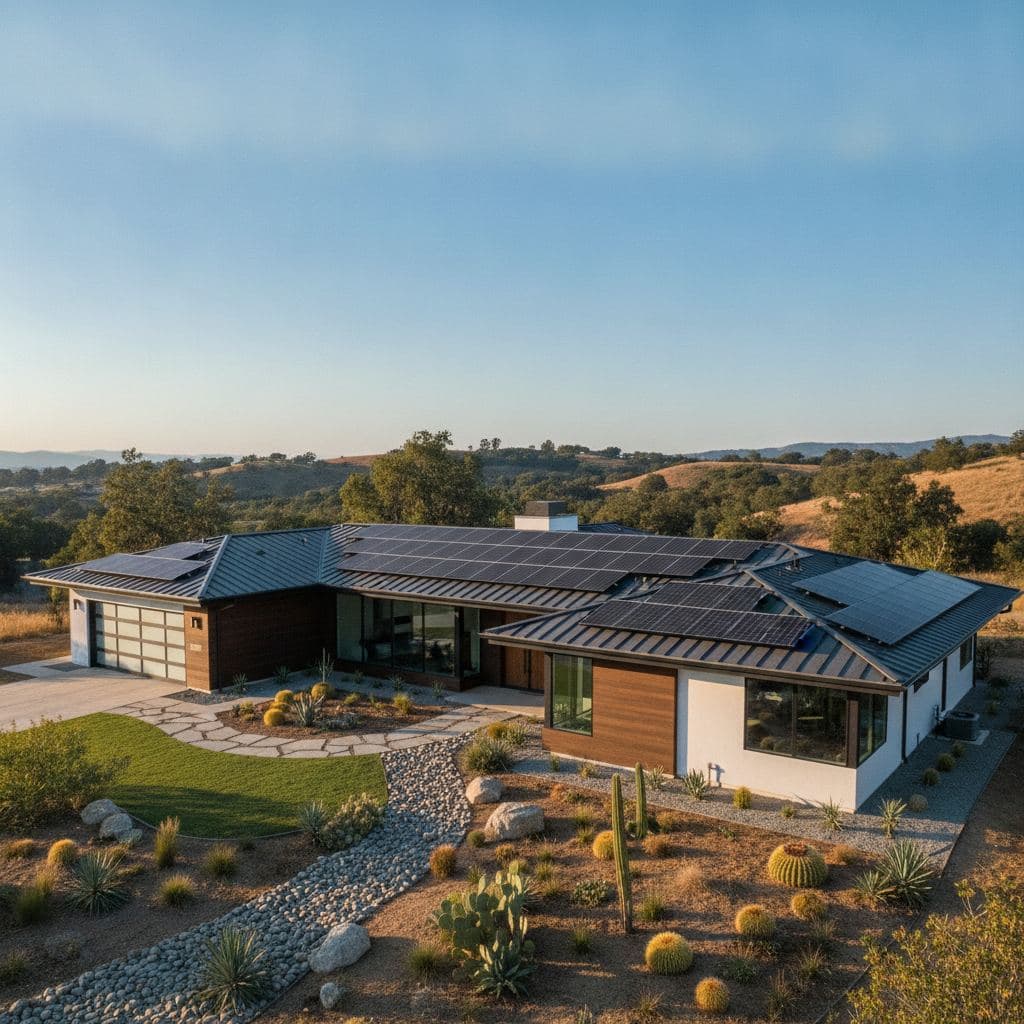
- Coastal areas (Santa Monica, Malibu, Long Beach) benefit from more frequent rain rinsing, so one cleaning per year — or even none in wet winters — is often sufficient.
Professional solar panel cleaning for a typical Southern California home costs $100–$300 per visit, with most systems in the 6–12 kW range landing around $150–$225. At SCE's current average residential rate of roughly 34–35¢/kWh, recovering even 5% of lost production on a 10 kW system can return $150–$250 in electricity value per year — meaning a single cleaning can pay for itself in months for dusty inland rooftops.
Last verified: July 2026 by Helios Energy Global.
For the full professional cleaning service, including scheduling and what to expect on the day, see our solar panel cleaning service page. This guide focuses on the cost math and whether cleaning is worth it for your specific SoCal location.
What drives the price range
Cleaning companies price jobs based on a handful of factors that are worth understanding before you get quotes.
System size is the biggest driver. More panels = more time on the roof = higher total cost. However, larger systems typically get a lower per-panel rate because setup and travel are fixed costs spread across more panels.
Roof access and pitch matter almost as much. A single-story home with a low-slope roof in Torrance is a different job than a two-story steeply-pitched tile roof in Pasadena. Difficult access adds $25–$75 or more to a visit.
Water quality and method affect price in some markets. Deionized or purified water systems leave no mineral spotting and are increasingly standard among quality providers. If a quote is suspiciously cheap, ask what water source they use — hard tap water can leave calcium deposits that reduce output almost as much as dust.
Frequency discounts are common. Signing up for two or three visits per year often reduces the per-visit cost by 10–20%.
Cost by system size — 2026 estimates
| System size | Typical panel count | Estimated per-visit cost | Estimated annual cost (1–2 visits) |
|---|---|---|---|
| Small (4–6 kW) | 10–16 panels | $100–$160 | $100–$320 |
| Medium (7–10 kW) | 18–28 panels | $150–$225 | $150–$450 |
| Large (11–15 kW) | 29–40 panels | $200–$300 | $200–$600 |
| Extra-large (16 kW+) | 41+ panels | $275–$400+ | $275–$800+ |
All figures are estimates for Southern California in 2026. Actual quotes will vary by company, roof complexity, and location. Figures do not include any add-on services such as bird-proofing or inspection reports.
Does cleaning actually pay off? It depends where you live
This is the question that matters most, and the honest answer is: it depends heavily on your zip code.
Inland and desert SoCal — cleaning pays clearly
The Inland Empire (Riverside, San Bernardino, Ontario), the Antelope Valley (Palmdale, Lancaster), and the Coachella Valley (Palm Springs, Indio) see significant dust accumulation — agricultural particulates, construction dust, and desert sand. Research from NREL and field data from California installations suggest soiling losses in these areas can run 10–25% of annual generation without any cleaning.
At SCE rates of ~34–35¢/kWh, losing 10% of output on a 10 kW system running ~1,600 hours of effective production per year means losing roughly $540–$560 in electricity value annually. A $175 cleaning visit that recovers most of that loss is an obvious financial win.
In these areas, two to three cleanings per year is a reasonable baseline, especially if you're on SCE's NEM 3.0 net billing tariff — where every kilowatt-hour you export midday is credited at a low avoided-cost rate rather than retail. Under NEM 3.0, maximizing what you self-consume during peak production hours (and storing the rest in a home battery) matters more than ever. Dirty panels that underperform during peak sun hours hit harder under NEM 3.0 than they did under the old retail-rate net metering.
Coastal SoCal — cleaning is still worth doing, just less often
Santa Monica, Manhattan Beach, Malibu, Long Beach, and similar coastal communities get meaningful rainfall in winter months, and marine air tends to deposit less agricultural dust. Soiling losses here are typically in the 2–8% range annually. One cleaning per year — ideally in late spring before peak summer production — is usually sufficient. If you had an unusually wet winter, you might skip a year without significant penalty.
LADWP customers in West LA and the Westside have an additional consideration: LADWP still offers retail-rate net metering (not NEM 3.0), so every kWh your panels produce is credited at the full ~28¢/kWh retail rate. That lower base rate means the dollar-value of soiling losses is smaller than for SCE customers, which slightly shifts the math — but cleaning still pays at 5%+ soiling levels.
The Valley and other inland-adjacent areas
The San Fernando Valley, San Gabriel Valley, and South Bay inland areas fall somewhere in between. Moderate dust accumulation, occasional Santa Ana wind events that coat panels with fine particulates, and summer heat that bakes grime onto glass. One to two cleanings per year is the typical recommendation.
DIY cleaning: honest risks to know before you grab a hose
Many homeowners assume cleaning panels is a simple weekend task. It can be — but there are three real risks worth understanding before you climb up there.
Roof falls are a serious hazard. Falls from residential roofs send tens of thousands of Americans to emergency rooms each year. A wet roof surface — which is exactly what you create when cleaning — is significantly more slippery than a dry one. If you're not comfortable on your specific roof pitch and don't have proper fall-arrest equipment, this is a job to hire out.
Pressure washers can void your panel warranty. Most panel manufacturers specify maximum water pressure for cleaning. Consumer pressure washers typically far exceed those limits. A high-pressure stream can crack cells beneath the glass, delaminate edges, or force water into junction boxes — damage that won't be immediately visible but will show up as degraded output or a failed panel years later. Check your panel manufacturer's cleaning guidelines before using any pressurized equipment.
Harsh chemicals cause permanent damage. Abrasive cleaners, ammonia-based products, and anything with strong solvents can etch the anti-reflective coating on panel glass. Once that coating is damaged, output loss is permanent. Plain water — ideally deionized — with a soft brush or squeegee is all that's needed and all that most manufacturers sanction.
If you do choose DIY, the safest approach: a garden hose with a gentle spray nozzle, early morning before panels heat up, from the ground if your system layout allows it, or from a stable ladder position without stepping on the roof surface itself.
Timing your cleaning for maximum payback
The highest-value cleaning window in Southern California is late April through early June — after winter rains have stopped and before peak summer production months. Panels cleaned heading into June and July capture the most valuable kilowatt-hours of the year.
A second cleaning in September or October makes sense for inland customers, clearing summer dust accumulation before the shoulder-season production window.
For SCE customers on NEM 3.0, pair your cleaning schedule with your battery dispatch strategy. Clean panels producing more midday power means more energy available to charge your battery before the 4–9 PM TOU peak — which is exactly when you want to be drawing from storage rather than the grid. See our solar vs. battery guide under NEM 3.0 for how these pieces fit together.
Frequently asked questions about solar panel cleaning cost
How much does it cost to clean solar panels on a typical SoCal home?
Most residential cleaning visits in Southern California run $100–$300, with the midpoint around $150–$225 for a 7–10 kW system. Per-panel pricing typically falls in the $8–$20 range. Get at least two quotes, and ask specifically whether they use purified water.
How often should I clean my solar panels in Southern California?
Coastal areas (Santa Monica, Malibu, Long Beach) generally need one cleaning per year, often skippable after a rainy winter. Inland and desert areas (Riverside, Palmdale, Palm Springs) benefit from two to three cleanings per year given higher dust and particulate accumulation. Your actual production data — viewable in your inverter app — is the best guide: a notable drop from your historical baseline often signals soiling.
Will dirty solar panels void my warranty?
Soiling itself doesn't void a warranty, but using the wrong cleaning methods can. Pressure washing above manufacturer-specified limits, abrasive pads, and chemical cleaners can void panel warranties. Most manufacturers require gentle cleaning with water and a soft brush. Check your specific panel documentation or ask your installer.
Is it worth paying for professional cleaning vs. doing it myself?
For most homeowners, professional cleaning is worth it primarily for safety reasons — wet roofs are hazardous. The cost difference between DIY (essentially free) and professional ($100–$300) is modest compared to the liability and physical risk of a roof fall. If your system is on a low-slope single-story roof and you're comfortable with the safety requirements, careful DIY with a garden hose is reasonable.
Does cleaning matter more under NEM 3.0 vs. old net metering?
Yes, modestly. Under NEM 3.0 (which applies to SCE, PG&E, and SDG&E customers), exported midday solar is credited at low avoided-cost rates rather than retail. That means maximizing self-consumption during peak production hours matters more — and dirty panels that underperform during those hours have a proportionally larger financial impact. LADWP customers still on retail-rate net metering see a smaller dollar impact from soiling, though cleaning still pays at moderate soiling levels. Read our NEM 3.0 explainer for more detail.
Can I claim any tax credit or rebate to offset cleaning costs?
No. Solar panel cleaning is a maintenance expense, not a capital improvement, so it doesn't qualify for any solar tax credit. The federal 30% residential solar tax credit expired December 31, 2025 and is not available for 2026 purchases or maintenance costs. California's SGIP battery rebate program is waitlisted in 2026 and applies only to battery storage, not cleaning. There are no current rebates specifically for panel cleaning.
What's the difference in cleaning cost between SCE and LADWP service areas?
The cleaning cost itself doesn't differ by utility — it's set by local labor and travel, not your electricity provider. What differs is the financial payback calculation: SCE customers pay ~34–35¢/kWh on average, so recovered production is worth more per kWh than for LADWP customers at ~28¢/kWh. That makes cleaning slightly more financially compelling for SCE customers on a pure dollar-return basis.
Next steps
- Book a free consultation and custom design — we'll review your system's production data and tell you honestly whether cleaning is overdue.
- Learn about our solar panel cleaning service — the canonical service page with scheduling details and what to expect.
- Explore home battery storage — pairing a battery with clean, high-performing panels maximizes your value under NEM 3.0.
- See our full solar cost guide — understand all the costs and incentives for a 2026 SoCal solar purchase.
- Check your design and estimated savings — see how soiling losses factor into a properly modeled production estimate.
- Browse our service locations — we serve Santa Monica, the Westside, South Bay, San Fernando Valley, and beyond.
More guides
Solar Lease vs. PPA vs. Prepaid Lease in California: Which One Actually Saves Money in 2026?
On a 7 kW SCE system in 2026, a prepaid lease typically cuts your effective rate to roughly 20–24¢/kWh from day one — about 30% below a monthly lease or PPA starting rate — because the financier claims the commercial §48E tax credit and passes the savings forward.
ReadBest Solar Companies in Santa Paula, CA (2026): A Homeowner's Honest Guide
Santa Paula homeowners navigate SCE's NEM 3.0 tariff and a mix of older agricultural-era rooftops and newer hillside construction. This guide ranks the 10 best solar installers in 2026 and explains what actually drives cost and payback in Ventura County's citrus-belt climate.
ReadBest Solar Companies in Agoura Hills, CA (2026): Honest Rankings for Local Homeowners
A no-hype, numbers-first guide to the top solar installers serving Agoura Hills in 2026 — covering SCE net billing, battery value, real pricing, and what to ask before you sign.
ReadGet a free consultation and custom design.
No pressure, no obligation — the owner reviews every design we send.