How much do solar panels cost in Ventura County in 2026?
A typical Ventura County solar system runs $18,000–$32,000 installed before any incentives, with no federal tax credit available for 2026 purchases.
By Taylor Crouse — Founder, Helios Energy GlobalPublished
Quick answer
- A typical Ventura County solar installation (7–10 kW) costs $17,500–$35,000 installed before incentives, or roughly $2.50–$3.50 per watt
- No federal tax credit applies to systems installed in 2026 — the 30% ITC expired December 31, 2025
- All of Ventura County is SCE territory, meaning you're on NEM 3.0 (Net Billing Tariff) — pairing a battery is strongly recommended
- Adding one battery (e.g., a Tesla Powerwall 3) adds approximately $14,500–$18,500 installed, but SGIP residential rebates are waitlisted in 2026
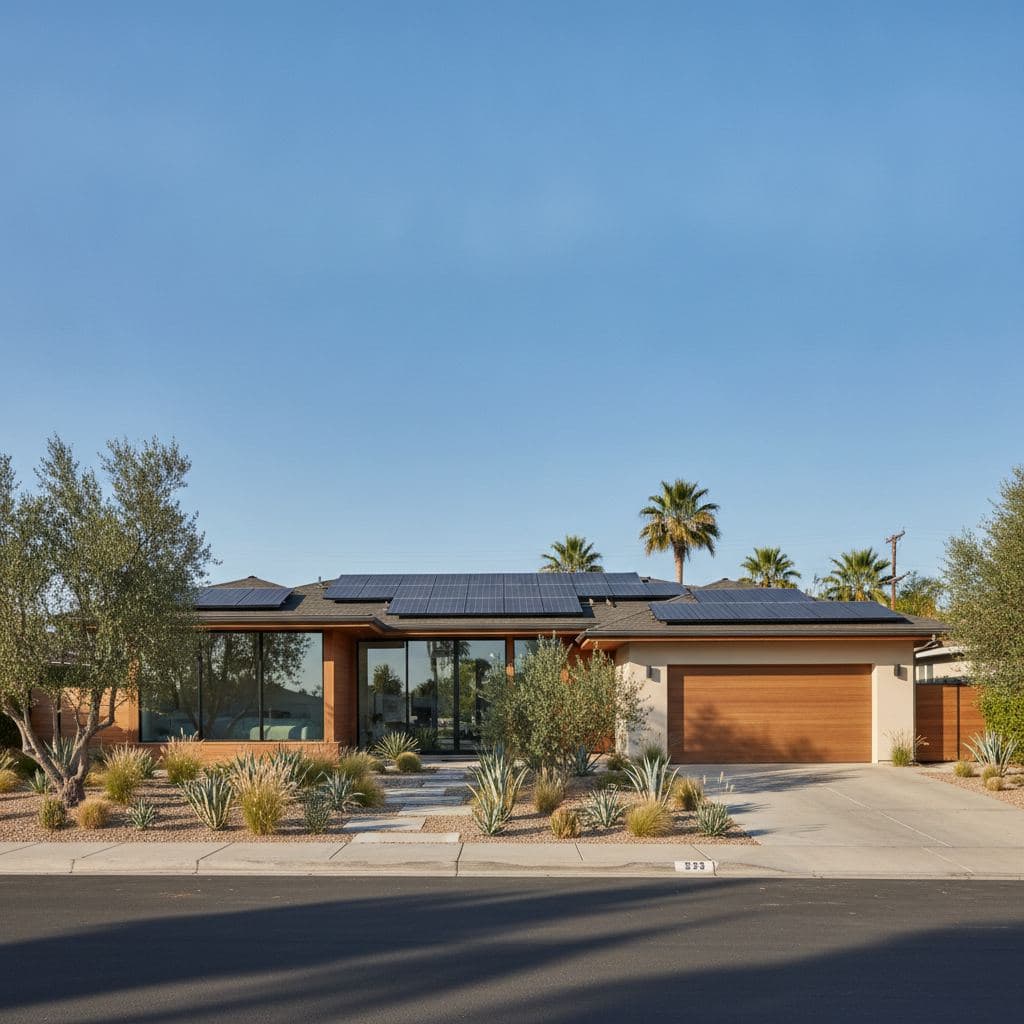
A typical 7–10 kW solar system in Ventura County costs $17,500–$35,000 installed before any incentives — that's the honest range once you account for roof type, panel brand, and the local permit and inspection fees that Thousand Oaks, Camarillo, Oxnard, and Simi Valley each charge differently. At roughly $2.50–$3.50 per watt, Ventura County pricing sits in line with the broader Southern California market, though a few local factors can push your number toward the higher end of that range.
Last verified: September 2026 by Helios Energy Global.
What drives solar costs in Ventura County specifically
Ventura County isn't a generic California suburb. Three local factors meaningfully shape your final price.
1. SCE rates and NEM 3.0
Every city in Ventura County — Thousand Oaks, Oxnard, Camarillo, Ventura, Simi Valley, Moorpark, Fillmore, and the unincorporated areas — is served by Southern California Edison. SCE's average residential rate is approximately 34–35¢/kWh in 2026, with a time-of-use peak from 4–9 PM daily.
That TOU structure matters enormously for payback math. Under NEM 3.0 (the CPUC's Net Billing Tariff), the export credit you receive for solar power pushed to the grid during the middle of the day is dramatically lower than retail — often 3–8¢/kWh during peak solar hours. The practical result: solar-only systems take longer to pay back than they did under the old NEM 2.0 rules. A battery that stores your midday production and discharges during the 4–9 PM peak is no longer just a backup option; for most Ventura County homeowners it's the financially smarter design.
Read more in our NEM 3.0 explainer and our solar vs. battery under NEM 3.0 guide.
2. Thousand Oaks Class A roof and racking requirements
Thousand Oaks — and several other Ventura County jurisdictions in high fire hazard severity zones — requires Class A fire-rated racking assemblies for rooftop solar. Standard racking qualifies in most of California, but in HFHSZ parcels the mounting hardware, underlayment, and sometimes the panels themselves must be specifically listed for Class A assembly. This can add $500–$2,000 to a typical job compared with a non-HFHSZ installation, depending on roof size and the racking system your installer specifies. Always ask your installer to confirm your parcel's HFHSZ designation before accepting a quote.
3. Post-Woolsey battery demand
Since the 2018 Woolsey Fire, battery backup has shifted from a luxury to a near-standard request across the Conejo Valley, Simi Valley, and the hillside communities of Ventura. That sustained demand means lead times for battery hardware can run 4–10 weeks in 2026, and installers who specialize in battery-integrated design are in high demand. Plan accordingly if backup power is a priority.
The key numbers at a glance
| Item | Low estimate | High estimate | Notes |
|---|---|---|---|
| Solar only, 6 kW | ~$15,000 | ~$21,000 | Smaller home or low usage |
| Solar only, 8 kW | ~$20,000 | ~$28,000 | Most common Ventura County size |
| Solar only, 10 kW | ~$25,000 | ~$35,000 | Larger home, EV charging |
| Per-watt installed cost | $2.50 | $3.50 | Before any incentives |
| Class A racking adder (HFHSZ) | $500 | $2,000 | Estimate; depends on roof |
| One battery (Tesla Powerwall 3) | $14,500 | $18,500 | Installed; one unit |
| One battery (other major brands) | $10,000 | $16,000 | Installed; one unit |
| Federal tax credit (2026) | $0 | $0 | Expired Dec 31, 2025 |
| SGIP residential rebate (2026) | Waitlisted | Waitlisted | Check cpuc.ca.gov/sgip |
| SCE average rate | ~34¢/kWh | ~35¢/kWh | TOU peak 4–9 PM |
All figures are estimates for planning purposes. Your actual cost depends on system size, roof conditions, permit fees, and equipment selection. Request a custom design and savings estimate for a site-specific number.
What you actually get for that money
Panels and inverters
A mid-tier 8 kW system typically includes 20–24 panels (360–400W each) and either a string inverter or microinverters. Microinverters cost more upfront — typically adding $1,000–$2,500 to a comparable string system — but they handle the partial shading common on homes with mature oak trees or complex roof lines, which describes a lot of Thousand Oaks and Ojai properties.
Permitting and inspection fees
Ventura County cities each set their own solar permit fees. As a rough guide, expect $300–$800 in permit fees for a residential system, plus one or two inspection visits. Some cities have adopted streamlined online permitting; others still require in-person plan check. Your installer handles this, but it's baked into your quoted price.
Installation labor
Labor in Ventura County runs slightly higher than the Inland Empire because of the local cost of living and the licensed electrician requirements for SCE interconnection. A typical 8 kW roof-mount job takes 1–2 days for the physical install, plus a few weeks for utility interconnection approval from SCE before your system can legally export power.
Incentives still available in 2026
Be direct about this: the landscape is thinner than it was in 2025.
- Federal tax credit: Expired December 31, 2025. A 2026 purchase does not qualify. Do not let any salesperson tell you otherwise.
- California property tax exclusion: Active-solar systems are still excluded from property tax reassessment under California law. This is not a rebate — it means your home's assessed value won't increase because of the panels.
- SGIP (Self-Generation Incentive Program): The residential battery rebate program is waitlisted in 2026. You can apply and get on the list, but don't count on it for your payback calculation.
- SCE EV rate pairing: If you drive an electric vehicle, SCE's EV rate plans can interact favorably with solar + battery. Ask your installer to model this scenario.
- Utility on-bill financing: SCE's on-bill financing programs periodically open for residential customers. Check sce.com for current availability — we don't invent dollar amounts or terms here.
For a full current list, DSIRE's California page is the most reliable public database.
Payback period: what to expect in Ventura County under NEM 3.0
Under NEM 3.0, a solar-only system in SCE territory typically has a payback period of 9–14 years for most Ventura County homes, depending on your usage profile, how much of your solar you consume directly (self-consumption), and how aggressively rates rise.
A solar + battery system costs more upfront but improves payback in the NEM 3.0 world by maximizing self-consumption and avoiding the 4–9 PM peak rate. Modeled payback for a well-designed solar + one battery system in Ventura County typically lands in the 8–13 year range — sometimes better if SCE rates continue rising. These are estimates, not guarantees; your custom design will show site-specific numbers.
Over a 25-year panel warranty period, cumulative electricity bill savings for an 8 kW system in Ventura County are commonly modeled in the $35,000–$65,000 range (in nominal future dollars), though this depends heavily on rate escalation assumptions. We use conservative rate escalation in our models.
Frequently asked questions about solar panel costs in Ventura County
Is Ventura County on NEM 3.0 or the old net metering?
All of Ventura County is served by SCE, an investor-owned utility, so yes — any new solar system interconnected after April 15, 2023 is on NEM 3.0 (the Net Billing Tariff). This means export credits are much lower than retail rate during the day. See our NEM 3.0 guide for a full breakdown.
Does the 30% federal solar tax credit still apply if I install in 2026?
No. The 30% residential federal Investment Tax Credit expired on December 31, 2025. Systems installed in 2026 do not qualify. There is no phase-down credit for 2026 residential purchases — it ended entirely. Plan your budget accordingly.
How much does a battery add to the cost in Ventura County?
A single battery unit — such as a Tesla Powerwall 3 or a comparable product from other major manufacturers — adds roughly $14,000–$18,500 installed, depending on the brand and any additional electrical panel work required. SGIP residential rebates that used to offset this cost are waitlisted in 2026, so budget the full amount. Learn more on our batteries page.
Why does Thousand Oaks solar cost more than some other cities?
Thousand Oaks parcels in high fire hazard severity zones require Class A fire-rated racking assemblies, which adds material and sometimes labor cost. The city's permit process can also be more detailed than some neighboring jurisdictions. The adder is typically $500–$2,000 on a standard residential job — not a dealbreaker, but worth knowing when comparing quotes from installers who work in different regions.
How long does solar installation take in Ventura County?
Physical installation is usually 1–2 days. The longer part is permitting and SCE interconnection approval, which together typically take 4–10 weeks from signed contract to Permission to Operate. Battery orders can add another 4–10 weeks if hardware is on backorder.
Will solar increase my property taxes in California?
No. California's active solar energy system property tax exclusion means your assessed value is not increased by the addition of a qualifying solar system. This exclusion has been in place for years and remains active in 2026.
What size system do most Ventura County homes need?
Based on typical SCE bills and home sizes in the area, most Ventura County homeowners install systems in the 7–10 kW range. Homes with EVs, pools, or central AC running frequently often need the higher end of that range or larger. A custom design based on your actual 12-month usage history gives you the right size — oversizing under NEM 3.0 is less beneficial than it was under NEM 2.0.
Next steps
- Powerwall 3 cost — the installed price for one unit, what moves it, and what is included
- Book a free consultation and custom design — we'll pull your SCE usage data and model exact costs and savings for your Ventura County home
- See what a custom solar design looks like — real numbers, no obligation
- Learn how NEM 3.0 affects your payback — the most important thing to understand before going solar in SCE territory
- Solar + battery under NEM 3.0: which is right for you?
- Battery storage options and pricing
- Full solar cost breakdown for Southern California
- Our Southern California service locations
More guides
Tesla Powerwall 3 cost in 2026: what Southern California homeowners actually pay
A Tesla Powerwall 3 runs roughly $14,500–$18,500 installed in Southern California in 2026, with value varying significantly between SCE and LADWP customers.
ReadWhat is the average LADWP electric bill in 2026?
The typical LADWP residential customer pays roughly $140–$230/month in mid-2026, based on tiered rates that work out to an effective 26–31¢/kWh — still below what SCE customers pay, though the gap has narrowed.
ReadWhat Roofers Won't Tell You About Your Solar Panels
A roofing bid that omits solar detach-and-reset leaves a surprise cost — at Helios's $250–$350 per panel, about $5,000–$7,000 for a 20-panel system. Here are six things roofers quietly leave out, and the checklist to protect yourself.
ReadGet a free consultation and custom design.
No pressure, no obligation — the owner reviews every design we send.