EV Charger Rebates in Los Angeles (2026): LADWP, SCE, and How to Stack Them
LADWP Charge Up LA! pays up to $1,500 for a home Level 2 EV charger; SCE's Charge Ready Home covers up to $4,200 toward a panel upgrade — but the federal 30C credit expired June 30, 2026.
By Taylor Crouse — Founder, Helios Energy GlobalPublished
Quick answer
- LADWP (City of LA): Charge Up LA! pays up to $1,000 for a qualifying Level 2 charger + $250 for a dedicated EV meter + $500 extra for Lifeline/EZ-SAVE customers = up to $1,500 total
- SCE (most of LA County outside city limits): Charge Ready Home covers up to $4,200 toward an electrical panel upgrade (income-qualified) or up to $2,100 (disadvantaged-community geographic tier) — but covers the panel work, not the charger itself
- Federal 30C credit: expired June 30, 2026 — chargers installed today receive $0 federal credit
- Switching to a TOU EV rate can cut your overnight charging cost to roughly 24–26¢/kWh on LADWP or 26¢/kWh on SCE TOU-D-PRIME — easily saving $200–$400/year versus peak charging
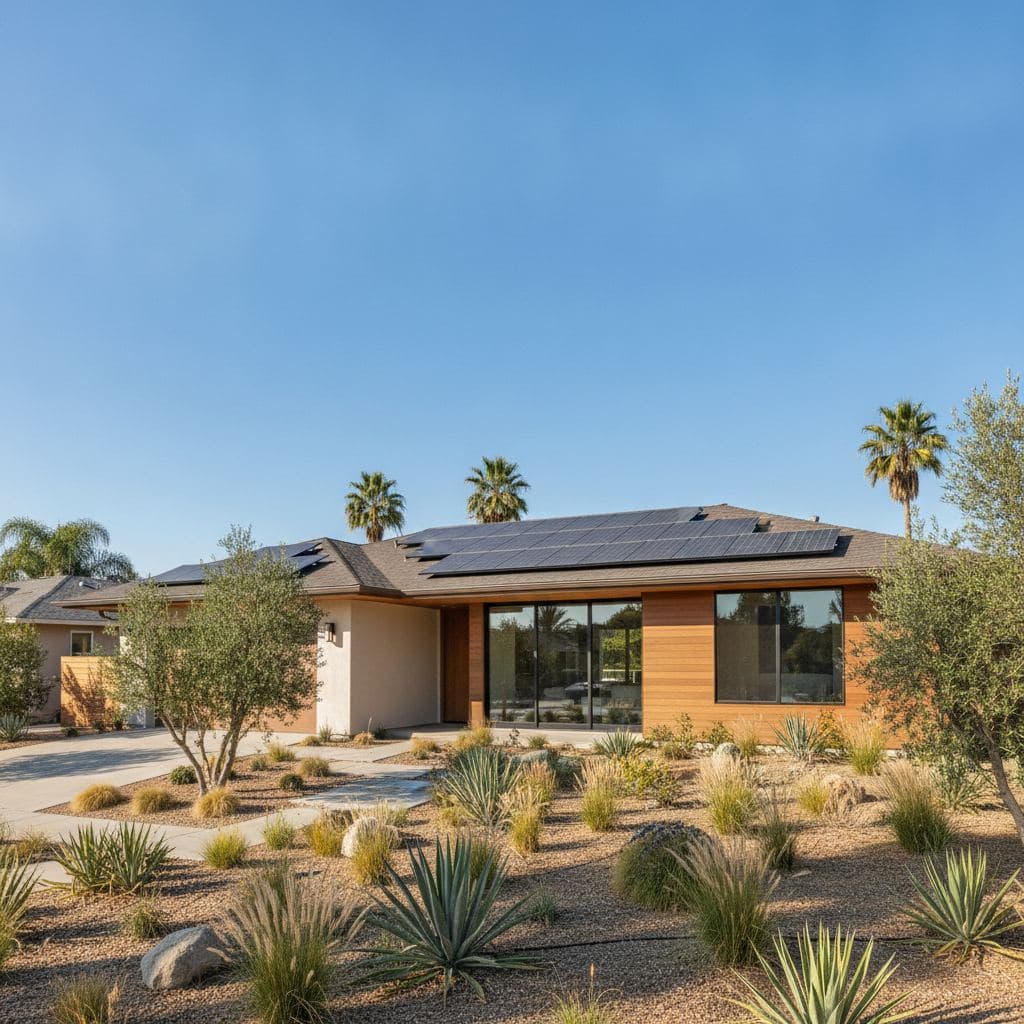
Los Angeles homeowners can still capture $750–$1,500 in utility rebates from LADWP, or up to $4,200 in panel-upgrade support from SCE, even though the federal tax credit closed on June 30, 2026. The right program depends entirely on which utility serves your address — and in LA, that split matters more than almost anywhere else in California.
Last verified: October 2026 by Helios Energy Global.
Which utility serves your address?
Before anything else, confirm your utility. Los Angeles is split between two very different systems:
- LADWP (Los Angeles Department of Water and Power) serves most of the City of Los Angeles — Hollywood, the San Fernando Valley, Venice, Wilmington, Pacific Palisades, and more. It is a municipal utility, not subject to NEM 3.0 or SCE's rate structure, and it runs its own rebate programs.
- SCE (Southern California Edison) serves most of LA County outside city limits — cities like Pasadena (partially), Alhambra, Burbank (partially), El Monte, Torrance, Long Beach, and much of the Inland Empire and San Gabriel Valley.
If you're not sure, check your electric bill header or call your utility. Getting this wrong means applying to the wrong program and starting over.
Municipal utility note: Several other cities in the LA area — including Burbank, Glendale, and Pasadena — run their own municipal utilities with separate EV charger programs not covered here. Check with your city utility directly.
LADWP Charge Up LA! — up to $1,500
LADWP's Charge Up LA! program offers eligible customers a rebate of up to $1,000 for the purchase and installation of a qualified Level 2 (240-volt) charging station, plus a $250 rebate for the installation of a dedicated EV meter. Income-eligible customers participating in LADWP's Senior Citizen/Disability Lifeline or EZ-SAVE programs are eligible for an additional $500 rebate.
That stacks to a maximum of $1,500 for income-qualified customers, and $1,250 (charger + dedicated meter) for standard customers who add the separate meter.
What qualifies
To qualify, you must be an active LADWP residential electric customer, install a qualifying Level 2 charger (most ENERGY STAR-certified units including Tesla Wall Connector, ChargePoint Home Flex, and Emporia EV count), and have the install performed by a licensed C-10 electrical contractor with a pulled permit.
Skipping the permit is exactly why many customers end up with denied rebates — LADWP requires a final permit signoff from LADBS before they will cut the check.
How to apply
For LADWP's after-the-fact program, you can usually still apply within 6 months of install. Apply at ladwp.com/chargeupla after the work is complete, with your permit, invoice, and charger documentation.
SCE Charge Ready Home — up to $4,200
SCE's Charge Ready Home rebate pays for the electrical panel upgrade that makes home EV charging possible — not for the charger itself. Income-qualified households can receive up to $4,200, and residents of disadvantaged communities up to $2,100. Your existing main panel must be rated under 200 amps, and you must be an SCE residential customer.
This is a critical distinction that trips up many shoppers: the SCE Charge Ready Home rebate is specifically for the electrical panel upgrade that makes EV charging possible, not the charger itself — and that difference is why so many people either miss the rebate or misunderstand what it covers.
The two tiers
Income-qualified households can receive up to $4,200, covering 100% of eligible upgrade costs. Homeowners in a designated disadvantaged community can receive up to $2,100, covering 50% of eligible upgrade costs.
Funding status is active, with applications accepted up to six months after project completion, while LCFS funding lasts.
What you still owe
The Charge Ready Home rebate covers the panel and circuit work. You still pay for the Level 2 charger itself and its installation separately. A Level 2 charging station must be installed within 180 days after the panel upgrade is complete.
SCE's Charge Ready Home Program can be combined with SCE's Pre-Owned EV Rebate Program, meaning qualified customers can receive a rebate on their used EV purchase and get a rebate to install a Level 2 home charger.
The federal 30C credit: it's gone
As of July 1, 2026, there is no federal residential tax credit for EV charger installations. Home chargers placed in service after June 30, 2026 receive no Section 30C credit — there was no phase-down or gradual sunset.
The Section 30C credit expired June 30, 2026 under the One Big Beautiful Bill Act. If you installed before that date, you can still claim it on IRS Form 8911 with your 2026 return.
For anyone installing today, there is no federal money. The LADWP and SCE programs above are the primary financial incentives available.
The numbers side by side
| Program | Who it's for | What it covers | Max amount | Charger itself? |
|---|---|---|---|---|
| LADWP Charge Up LA! (standard) | LADWP residential customers | Level 2 charger + install | $1,000 | ✅ Yes |
| LADWP dedicated EV meter rebate | LADWP residential customers | Separate EV TOU meter | $250 | ➕ Add-on |
| LADWP Lifeline/EZ-SAVE extra | Income-qualified LADWP customers | Additional equity tier | $500 | ➕ Add-on |
| LADWP max stack | Income-qualified + dedicated meter | All three combined | $1,500 | ✅ Yes |
| SCE Charge Ready Home (income) | Income-qualified SCE customers | Panel upgrade only | $4,200 | ❌ No |
| SCE Charge Ready Home (geo) | Disadvantaged-community SCE customers | Panel upgrade only | $2,100 | ❌ No |
| Federal Section 30C | Any homeowner | Charger + install | $0 (expired) | — |
All figures are estimates based on current program terms; confirm eligibility directly with your utility before purchase.
Panel upgrades: plan for $3,000–$5,000
Many LA homes — particularly those built before the 1980s — have 100-amp panels that can't safely support a 240V EV charger circuit. A main-panel upgrade, when needed, typically runs $3,000–$5,000 installed in Southern California.
For SCE customers, the Charge Ready Home rebate can offset most or all of that cost if you qualify. For LADWP customers, there is no dedicated panel-upgrade rebate, but the panel work is a prerequisite to claiming the charger rebate, so budget for it regardless.
A few things to know before you commit:
- Get a load calculation first. A licensed electrician should confirm whether your existing panel can handle a new 240V, 50-amp circuit before you sign anything.
- Permit it. Both LADWP and SCE require a pulled permit and final inspection for rebate eligibility. Unpermitted work means a denied rebate and potential resale complications.
- Panel upgrade and charger can often be done in one visit, keeping labor costs down.
If you're also considering solar, a panel upgrade done now may serve double duty — avoiding a second upgrade later. See our solar installation guide for how panel capacity factors into system sizing.
Stacking TOU EV rates: where the real long-term savings live
The rebate is a one-time check. The rate plan is money every month for the life of the car.
LADWP customers
LADWP's optional time-of-use rate (R-1B) swaps tiers for time periods, plus a $12/month service charge. The base period — weekdays 8 p.m.–10 a.m. and all weekend — runs $0.26540/kWh in summer 2026. LADWP's EV rate adds a 2.5¢/kWh discount on base-period charging, but the EV charger must be separately metered from your house and billed on a TOU rate, with a $10/month minimum on that meter.
In practice, LADWP customers who add the dedicated EV meter get both the $250 meter rebate and the ongoing 2.5¢/kWh discount — roughly 24¢/kWh overnight in summer. That's among the lowest residential charging rates of any major California utility.
SCE customers
SCE's TOU-D-PRIME plan is designed for EV owners, battery storage, heat pumps, and NEM 3.0 solar. Its summer weekday peak rate is 59¢/kWh, but its summer off-peak rate drops to 26¢/kWh.
TOU-D-PRIME has no baseline credit, but its off-peak and super off-peak prices — 26 cents in summer and 24 cents in winter — are the lowest on any SCE plan.
The math is straightforward: the gap between SCE's peak and off-peak rates is about 35¢/kWh in summer. Charging an EV (approximately 60 kWh) off-peak instead of during peak saves roughly $21.00 per full charge. For a driver doing two full charges a week, that's over $200/year saved just by plugging in after 9 PM.
LADWP vs. SCE: the rate comparison
| Utility & Plan | Off-Peak Rate | Peak Rate | Best Charging Window |
|---|---|---|---|
| LADWP R-1B TOU + EV meter discount | ~24¢/kWh (summer base period) | ~35¢/kWh (weekday 1–5 PM) | Overnight + weekends |
| SCE TOU-D-PRIME | 26¢/kWh summer / 24¢/kWh winter | 59¢/kWh summer | After 9 PM, before 4 PM |
| SCE TOU-D-4-9PM | 34¢/kWh off-peak | 58¢/kWh peak | After 9 PM, before 4 PM |
Rates approximate as of September–October 2026; verify current tariffs with your utility.
How solar makes EV charging even cheaper
If you already have — or are considering — rooftop solar, your EV becomes a natural load to absorb midday excess production. Under LADWP's retail-rate net metering, surplus solar export credits offset your bill at the same rate you'd pay to buy power. Under SCE's NEM 3.0 (Net Billing Tariff), export rates are much lower, making it smarter to store solar energy in a battery and charge your car from the battery in the evening.
Either way, combining solar + storage + an EV on the right rate plan is the highest-leverage combination available to a Southern California homeowner in 2026. See our solar vs. battery guide under NEM 3.0 and our batteries page for how the pieces fit together.
For LADWP customers specifically, the retail-rate net metering advantage is significant — see our NEM 3.0 explained guide for why LADWP customers are in a different position than SCE customers.
Frequently asked questions about EV charger rebates in Los Angeles
Does LADWP still offer an EV charger rebate in 2026?
Yes. LADWP's rebate is a local utility program independent of any federal timeline.
Eligible LADWP residential customers may receive up to $1,000, with an additional $500 for Lifeline or EZ-SAVE participants and a separate $250 qualifying dedicated-meter rebate. The program continues in 2026 regardless of the federal 30C expiration.
Can I still claim the federal EV charger tax credit in 2026?
Only if your charger was installed and placed in service on or before June 30, 2026. The Section 30C home charger tax credit ended for equipment placed in service after June 30, 2026 — that deadline has now passed, and the credit is no longer available for new installations. Chargers installed today receive $0 in federal credit.
Does SCE pay for the EV charger itself, or just the panel?
The Charge Ready Home rebate covers the panel upgrade, not the charger. If your home already has a 200-amp panel and you just need someone to install the charger, this rebate does not apply to you. The charger hardware and its installation are your cost to bear separately.
What's the income threshold for the LADWP income-qualified tier?
The LADWP Charge Up LA! program pays up to $1,500 for income-qualified customers (under $103,000 household income in 2026) and $750 for standard customers who don't add the dedicated meter. Income-qualified customers must be enrolled in the Lifeline or EZ-SAVE program to access the extra $500 tier.
Can I stack the LADWP rebate with solar or battery incentives?
Yes — the Charge Up LA! charger rebate is a standalone program and does not conflict with LADWP's net metering interconnection or any battery incentive you may pursue. Customers who also install a home energy storage battery may qualify for further incentives through the LADWP Distributed Energy Resources program. Note that SGIP residential battery incentive budgets are waitlisted in 2026 — confirm current status before counting on that money.
Do I need a permit to claim the LADWP EV charger rebate?
Yes, and this is non-negotiable. This is the step most DIYers and unlicensed installers skip — and it's exactly why their customers end up with denied rebates. LADWP requires a final permit signoff from LADBS before they will cut the check. Always use a licensed C-10 electrical contractor who pulls the permit as part of the job.
What Level 2 charger should I buy to qualify?
Both LADWP and SCE require ENERGY STAR-certified Level 2 (240V) equipment installed by a licensed electrician. Popular qualifying models include the Tesla Wall Connector, ChargePoint Home Flex, Wallbox Pulsar Plus, and Emporia EV charger. SCE's charger-based enrollment supports qualified ChargePoint Home Flex, Wallbox Pulsar Plus, and Emporia equipment and can work with a broader range of BEVs and PHEVs. Confirm your specific model with the program administrator before purchase.
Next steps
- Book a free consultation and custom design — we'll confirm your utility, flag every rebate you qualify for, and size a solar + EV charging system for your home
- Explore home battery options — pair your EV charger with storage to maximize TOU savings
- See our solar installation guide for Southern California
- Understand how NEM 3.0 affects SCE solar + EV owners
- Solar vs. battery under NEM 3.0: which to prioritize?
- Get a solar cost estimate for your home
Sources
- DriveClean CA — LADWP Charge Up LA! Residential Program Listing — September 1, 2026
- SCE EV Rebates & Incentives — sce.com official page — June 1, 2026
- ratereliefca.com — SCE TOU rates checked September 23, 2026 — September 23, 2026
- nuwattenergy.com — Section 30C EV Charger Credit Expired June 30, 2026 — July 1, 2026
- heliosenergyglobal.com — LADWP Rates Explained: Tiers, Zones & TOU 2026 — July 1, 2026
More guides
What Is a True-Up Bill? The Solar True-Up Explained for SCE, SDG&E and PG&E Customers
Your solar true-up is an annual account reset: NEM 1.0/2.0 customers can defer all energy charges to one year-end bill, while NEM 3.0 customers pay monthly and settle leftover export credits at the 12-month mark.
ReadRoofing and solar companies: which arrangement actually protects you?
There are three ways to get a roof and solar done together — one dual-licensed company, a solar company coordinating a licensed roofing partner, or two contractors you hire separately. Each fails in a different place. Here's how to tell which one you're being sold.
ReadBest Solar Companies in Yorba Linda, CA (2026): An Honest Homeowner's Guide
Yorba Linda homeowners face SCE's NEM 3.0 net billing rules and real wildfire risk in the foothills — here's how to pick the right solar installer and avoid costly mistakes in 2026.
ReadGet a free consultation and custom design.
No pressure, no obligation — the owner reviews every design we send.