How much does a solar battery cost in 2026?
Most Southern California homeowners pay $14,000–$18,500 installed per battery unit in 2026, before any incentives.
By Taylor Crouse — Founder, Helios Energy GlobalUpdated
Quick answer
- A home battery in Southern California costs roughly $14,000–$18,500 installed per unit in 2026; two Powerwall 3 units land around $24,000–$30,000 before incentives.
- Tesla Powerwall 3 (~13.5 kWh) runs about $14,500–$18,500 installed; FranklinWH aPower 2 with aGate (~13.6 kWh) about $16,000–$21,000; Enphase IQ Battery 10C (~10 kWh) about $13,000–$15,500.
- The 30% federal tax credit expired December 31, 2025, and SGIP residential rebates are waitlisted.
- Retrofitting onto existing solar adds roughly $500–$2,000; a panel upgrade, if needed, adds $3,000–$5,000.
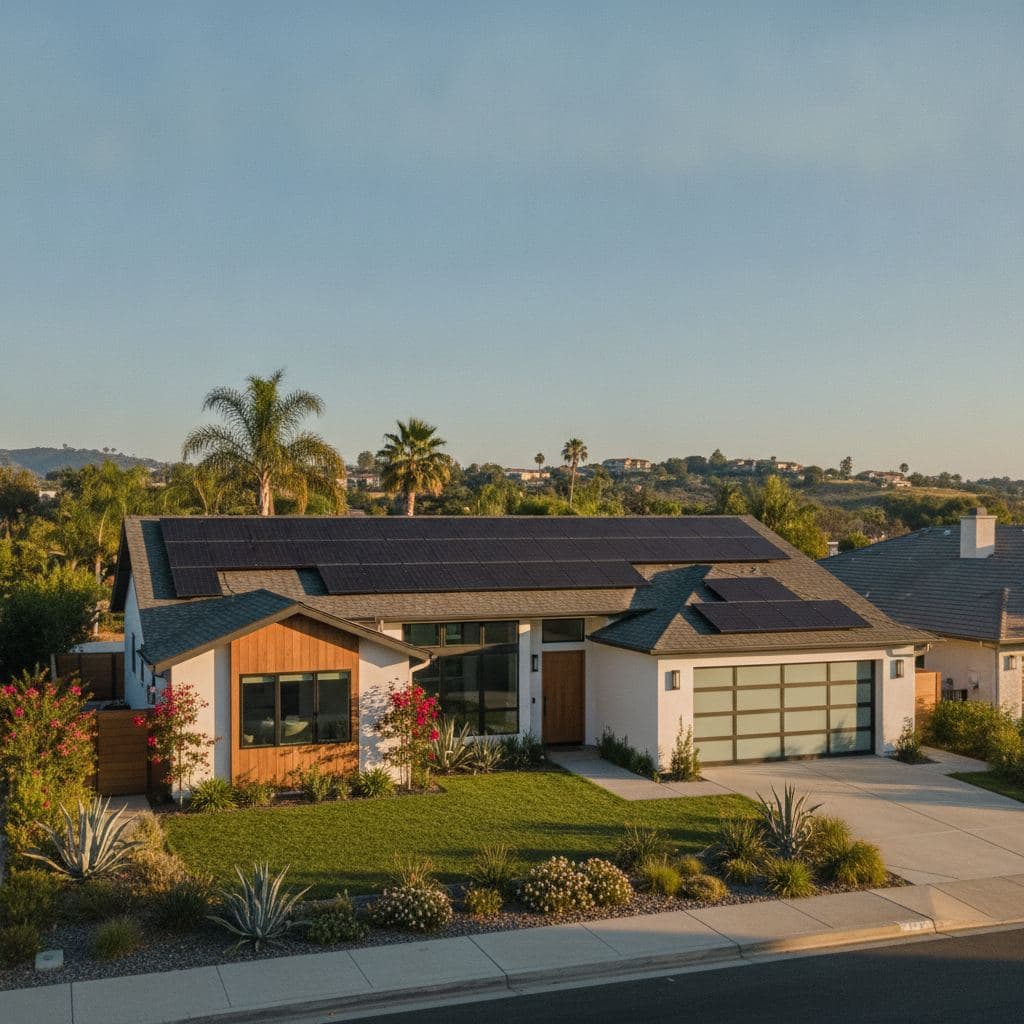
A home battery system in Southern California costs roughly $14,000–$18,500 installed per unit in 2026, depending on the brand, capacity, and complexity of the installation. Most households need one to two units; two Powerwall 3 units typically land in the $24,000–$30,000 range before any incentives.
Last verified: September 2026 by Helios Energy Global.
Those numbers reflect the full installed price — hardware, labor, permits, and interconnection paperwork — not just the equipment sticker price you might see advertised. What you actually pay depends on which battery you choose, your utility (SCE vs. LADWP vs. another municipal), whether you're pairing it with new solar or retrofitting onto an existing system, and your home's electrical panel situation.
What drives the price range so wide?
Battery capacity and chemistry
The biggest variable is usable kilowatt-hour (kWh) capacity. A single Enphase IQ Battery 5P module stores about 5 kWh; a Tesla Powerwall 3 stores about 13.5 kWh; a FranklinWH aPower 2 stores about 13.6 kWh. More capacity costs more — but it also covers more of your evening load and gives you longer backup during an outage.
New solar vs. retrofit
Adding a battery to a brand-new solar installation is almost always cheaper per unit than retrofitting onto an existing system. A retrofit requires a separate electrical inspection, possible panel upgrades, and additional labor hours. Budget roughly $500–$2,000 more for a standalone battery retrofit compared to bundling at the time of solar installation.
Panel and wiring upgrades
Older homes — especially those with 100-amp panels or Federal Pacific / Zinsco breaker boxes — often need a panel upgrade before a battery can be safely installed. A panel upgrade in Southern California typically adds $3,000–$5,000 to the project. Your installer should flag this during the site assessment, not after you've signed a contract.
Permitting and interconnection
Every battery installation in California requires a permit and, if grid-tied, interconnection approval from your utility. SCE and LADWP have different timelines and paperwork requirements. These costs are usually bundled into the installer's quoted price, but it's worth confirming that explicitly.
2026 battery model comparison: installed price estimates
The table below shows approximate installed price ranges for the most common residential batteries we see in Southern California. These are estimates based on current market conditions; your actual quote may vary based on site complexity.
| Battery Model | Usable Capacity | Continuous Power Output | Estimated Installed Cost (1 unit) | Notes |
|---|---|---|---|---|
| Tesla Powerwall 3 | ~13.5 kWh | 11.5 kW | $14,500–$18,500 | Integrated inverter; popular for whole-home backup |
| Enphase IQ Battery 10C (with IQ System Controller 3) | ~10 kWh | 7.08 kW | $13,000–$15,500 | Retrofits onto Enphase and many third-party solar systems |
| FranklinWH aPower 2 (with aGate) | ~13.6 kWh | 10 kW | $16,000–$21,000 | Whole-home backup in one cabinet |
| Second Powerwall 3 (same install) | ~13.5 kWh | 11.5 kW | +$9,500–$11,500 | Gateway and permit are shared, so the second unit costs less |
All figures are estimates for Southern California in 2026. Prices exclude any applicable incentives. Panel upgrades, if needed, are additional.
What changed in 2026: two cheaper ways to add capacity
Two product moves this year lower the cost of more storage without buying a second full battery. Tesla's Powerwall 3 Expansion adds 13.5 kWh of DC storage with no inverter, so it installs for well under a second Powerwall 3 — our estimate is $8,000–$11,500 — with a limit of three Expansions per system; details in our Powerwall 3 Expansion pack guide. And on August 10, 2026 Enphase announced that its IQ Battery 10C and IQ Meter Collar whole-home backup now work with existing third-party solar systems, not just Enphase microinverter systems — which opens an AC-coupled retrofit path for the large base of NEM 2.0 and orphaned-installer homes that previously had Powerwall as the only mainstream option. If you are adding to a system someone else installed, start with adding a battery to existing solar.
What incentives are available in 2026?
This is where we have to be straight with you: 2026 is a leaner incentive year than 2025 was.
No federal tax credit
The 30% federal residential clean energy tax credit expired on December 31, 2025. There is no federal tax credit available for a battery purchased and installed in 2026. If someone tells you otherwise, ask them to show you the current IRS guidance in writing.
SGIP: waitlisted, not available
California's Self-Generation Incentive Program (SGIP) is the main state rebate for home batteries. As of mid-2026, SGIP residential budget tiers are waitlisted. That means you can get on the list, but there is no guarantee of funding or a timeline for when — or whether — funds will be released for your application. We tell every customer this upfront. If SGIP funds do open up, customers who installed recently and are on the waitlist may be eligible retroactively, but we make no promises about that.
Utility-specific programs
- SCE customers: Check SCE's current demand response and storage programs. SCE has historically offered bill credits for batteries enrolled in grid-support programs, but program availability and terms change. Ask your installer to confirm current offerings at the time of your quote.
- LADWP customers: LADWP is a municipal utility and is not subject to NEM 3.0 (the CPUC Net Billing Tariff). LADWP still offers retail-rate net metering, which changes the math on battery sizing significantly — you may need less storage than an SCE customer to achieve the same bill reduction. Check LADWP's current solar incentive page for any storage-specific programs.
- Other municipal utilities (Pasadena PWP, Burbank, Glendale, Anaheim APU, Riverside RPU): Each runs its own net metering and incentive structure. None are on NEM 3.0. Rates and programs vary — your installer should pull the current tariff for your specific utility before sizing your system.
Why the utility you're on changes the battery math
If you're on SCE, you're on NEM 3.0 (the Net Billing Tariff). Under NEM 3.0, solar exported to the grid during the day is credited at low avoided-cost rates — often well under 10¢/kWh — while you buy back power during the 4–9 PM peak at roughly 34–35¢/kWh. That spread makes batteries economically compelling: you store your solar production and use it yourself during peak hours instead of selling it cheap and buying it back expensive. Learn more about how NEM 3.0 affects battery ROI →
If you're on LADWP, the calculus is different. LADWP's average residential rate is around 28¢/kWh, and retail-rate net metering means your exported solar is credited at close to what you'd pay to import. Batteries still add value for backup power and time-of-use optimization, but the pure bill-savings case is less dramatic than for SCE customers. Sizing a battery purely for bill savings on LADWP requires a more careful look at your specific usage pattern.
See how solar and battery work together under NEM 3.0 →
How many batteries does a typical Southern California home need?
For partial backup — keeping your refrigerator, lights, phone chargers, and a few outlets running during an outage — one battery (13–14 kWh) is usually sufficient for most homes.
For whole-home backup, including central AC, you're typically looking at two batteries, or one high-capacity unit paired with a load management device. Central air conditioning is the single biggest variable: a 3-ton AC unit can draw 3–5 kW continuously, which drains a single 13.5 kWh battery in two to four hours.
For SCE customers optimizing for NEM 3.0 bill savings, one battery is usually the right starting point. A custom load analysis — which we do as part of our free design and savings estimate — will show you exactly how much of your peak-hour load a single battery can offset given your actual usage profile.
Getting an accurate quote
Battery pricing has a lot of moving parts, and online calculators can only get you so far. The variables that matter most — your panel situation, your utility, your usage pattern, your roof and attic layout for battery placement — require a real site assessment.
When you collect quotes, get the gross price in writing, with the battery named by model and its usable capacity, and ask whether the price includes:
- Labor and installation
- Permit and interconnection fees
- Any panel upgrade
- SGIP waitlist enrollment
Those answers let you compare quotes apples-to-apples. A lower headline number that buries a panel upgrade in the fine print isn't actually cheaper.
Explore battery options and configurations → See current solar + battery package pricing →
Frequently asked questions about solar battery cost
How much does a Tesla Powerwall 3 cost installed in 2026?
Installed cost for a single Powerwall 3 in Southern California runs approximately $14,500–$18,500 (two units, $24,000–$30,000), depending on site complexity and whether a panel upgrade is needed. The Powerwall 3 includes an integrated inverter, which can simplify installation for some homes.
Is there still a federal tax credit for home batteries in 2026?
No. The 30% federal residential clean energy tax credit expired on December 31, 2025. There is no federal incentive available for batteries purchased in 2026. Be cautious of any installer or advertisement implying otherwise.
Is SGIP still available in California in 2026?
SGIP residential budget tiers are waitlisted as of mid-2026. You can apply and get on the list, but there is no confirmed timeline or guarantee of funding. We enroll eligible customers on the waitlist as a standard part of our process, but we do not build SGIP dollars into your projected payback until funds are actually confirmed.
Does it make sense to add a battery if I'm on LADWP?
It can, but the economics are different than for SCE customers. LADWP's retail-rate net metering means you're not penalized as heavily for exporting solar, so the bill-savings case for a battery is less urgent. That said, batteries still provide real value for backup power and time-of-use shifting. A custom analysis of your LADWP bill will show whether the numbers work for your situation.
How long does a home battery last before it needs replacement?
Most residential lithium iron phosphate (LFP) batteries — including the Powerwall 3, Enphase 5P, and FranklinWH — carry warranties guaranteeing at least 70% of original capacity after 10 years of normal use. Real-world degradation in Southern California's climate is typically modest. Plan on a 10–15 year useful life before considering replacement.
Can I add a battery to my existing solar system?
Yes, most existing solar systems can be retrofitted with a battery. The cost is typically $500–$2,000 higher than adding a battery at the time of original solar installation, due to additional labor and inspection requirements. Compatibility between your existing inverter and the battery brand is a key factor — we assess this during the site visit.
What's the payback period for a battery in 2026?
Without the federal tax credit, payback periods have lengthened compared to 2024–2025. For SCE customers on NEM 3.0, a single battery optimizing peak-hour usage can realistically pay back in 8–12 years depending on usage, rate escalation, and whether any incentives materialize. LADWP customers should expect longer payback periods on a pure bill-savings basis. Backup power value — avoiding losses during outages — is real but harder to put a number on.
Next steps
- Powerwall 3 cost — the installed price for one unit, what moves it, and what is included
- Book a free consultation and custom design — we'll pull your utility bill data, assess your site, and give you a real installed price with honest payback projections.
- See our battery storage options and configurations →
- Get a full solar + battery cost estimate →
- Understand how NEM 3.0 affects your battery ROI →
- Compare solar-only vs. solar + battery under NEM 3.0 →
- Learn about our Southern California service locations →
Sources
- CPUC Self-Generation Incentive Program (SGIP)
- California Energy Commission – Energy Storage
- EIA – Residential Battery Storage Costs
- NREL – Distributed Solar and Storage Cost Benchmarks
- DSIRE – California Incentive Programs
- SCE Time-of-Use Rate Schedule
- LADWP Solar Incentive Program
- Enphase — IQ Battery 10C and whole-home backup for existing third-party solar systems (press release) — August 10, 2026
- Tesla Powerwall Limited Warranty (USA), Rev. 2.6 — May 6, 2026
- SGIP Program Metrics (step tracker) — September 1, 2026
- IRS — Residential Clean Energy Credit — July 4, 2026
More guides
Do solar panels increase property taxes in California? The exclusion ends January 1, 2027
California's Active Solar Energy System exclusion means solar adds $0 to your assessed value — but the statute makes the exclusion inoperative on January 1, 2027. Systems that qualify before then stay excluded until the home changes hands.
ReadIs Solar Worth It in California? What Reddit Really Thinks After NEM 3.0 (2026)
From 'California solar, ruined?' to the no-regrets follow-ups two years later — we traced Reddit's NEM 3.0 debate across r/solar and r/bayarea, with links and quotes, and compared it to the math we see on real SoCal roofs.
ReadHow Much Does a Roof Replacement with Solar Panels Cost in 2026?
A combined roof-replacement-plus-new-solar project in Southern California typically runs $30,000–$65,000 depending on roofing material and system size — less than doing both projects separately. If you already have solar, Helios's detach-and-reset adds $250–$350 per panel.
ReadGet a free consultation and custom design.
No pressure, no obligation — the owner reviews every design we send.