Why is my SCE bill so high in 2026?
SCE residential rates average 34–35¢/kWh in 2026, with TOU peak rates pushing 50¢+ from 4–9 PM — here's what's driving your bill and how to cut it.
By Taylor Crouse — Founder, Helios Energy GlobalUpdated
Quick answer
- SCE's average residential rate is approximately 34–35¢/kWh in 2026 — roughly 50–60% above the national average.
- TOU peak pricing (4–9 PM daily) can push effective rates to 45–55¢/kWh or higher during those hours.
- A typical Southern California home running central AC in summer can easily consume 1,200–1,800 kWh/month, producing bills of $400–$650+.
- Solar + battery systems sized for a typical SCE home run $18,000–$35,000 installed (before any remaining incentives) and can cut monthly SCE charges by 60–90%.
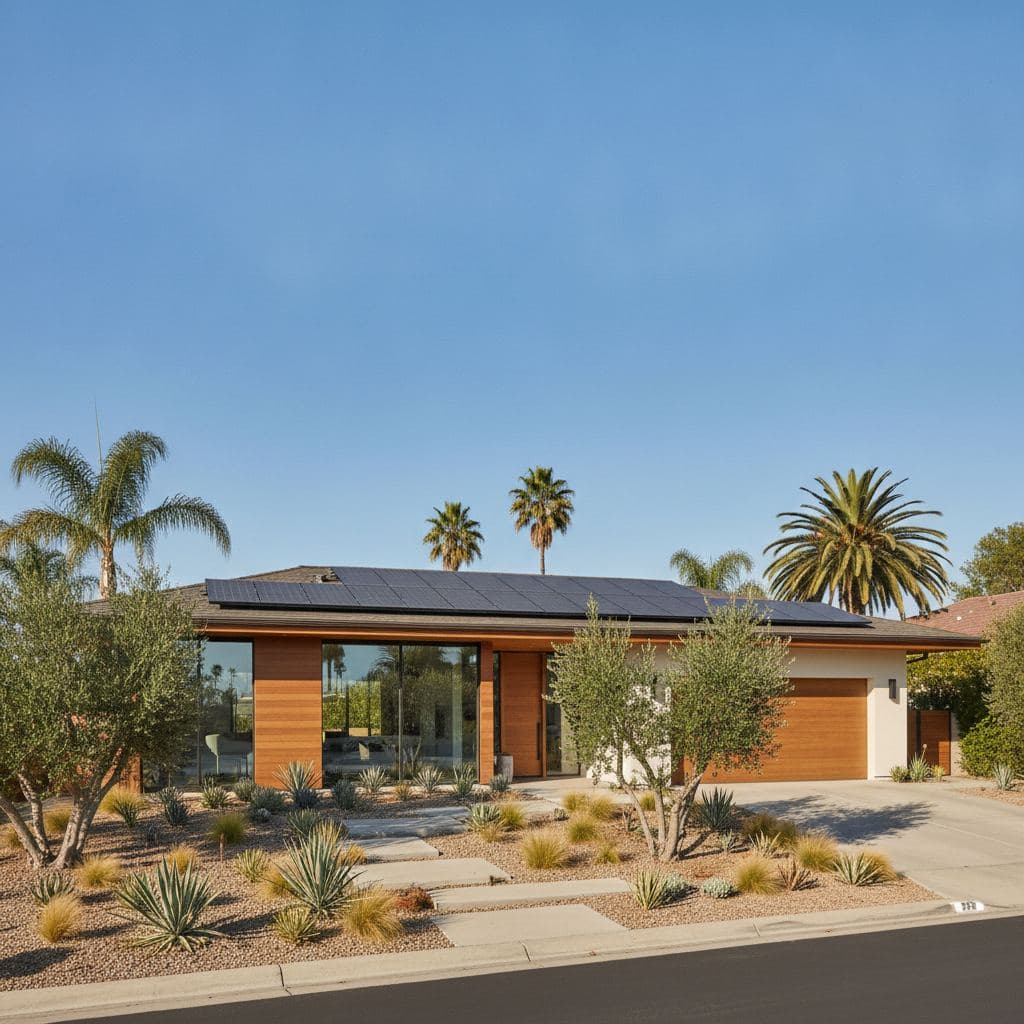
SCE's average residential rate of 34–35¢/kWh is one of the highest in the continental United States, and that number climbs to 45–55¢/kWh or more during the mandatory 4–9 PM peak window that applies to most residential customers. If your bill feels like it jumped without warning, it almost certainly did — SCE has filed and received multiple rate increases in recent years, and the shift to mandatory Time-of-Use pricing has changed when you pay just as much as how much you pay.
Last verified: September 2026 by Helios Energy Global.
The numbers behind a high SCE bill
Before blaming any single appliance, it helps to see the full rate picture in one place.
| Factor | Typical Range | Notes |
|---|---|---|
| SCE average blended residential rate | ~34–35¢/kWh | Per EIA data and SCE filings, 2026 |
| SCE TOU peak rate (4–9 PM) | ~45–55¢/kWh (est.) | Varies by plan; on-peak surcharge on top of base |
| SCE TOU off-peak rate | ~25–30¢/kWh (est.) | Nights and weekends generally cheaper |
| Typical SoCal home monthly usage (no AC) | 500–800 kWh | Mild climate baseline |
| Typical SoCal home monthly usage (with AC) | 1,200–1,800 kWh | Summer months, inland zip codes |
| Resulting monthly bill (AC household) | $400–$650+ (est.) | At blended 34–35¢, higher if peak-heavy |
| LADWP average rate (comparison) | ~28¢/kWh | Municipal utility, NOT on SCE rates |
| Solar install cost (SCE territory) | $2.50–$3.50/watt | Before incentives, 2026 pricing |
| Battery storage (per unit, installed) | $14,000–$18,500 | Per unit; most homes use 1–2 units |
All rate figures are estimates based on utility filings and EIA data. Your specific plan and usage profile will vary.
The five real reasons SCE bills spike
1. Rates have increased — repeatedly
SCE has received approval for significant general rate increases over the past several years, driven by wildfire mitigation infrastructure, grid hardening, and transmission upgrades. The blended residential rate has roughly doubled over the past decade. This isn't a billing error — it's structural, and regulators have approved it. If your usage stayed flat but your bill grew, rate increases are likely the primary culprit.
2. Mandatory TOU pricing punishes afternoon and evening use
Most SCE residential customers are now on a Time-of-Use plan, which means the clock matters as much as the kilowatt-hour. The peak window runs 4–9 PM every day — including weekends. That's exactly when most households run the dishwasher, cook dinner, charge an EV, and cool the house after a hot day. Running a central AC unit for even two hours during peak can cost $4–6 more than the same runtime at midnight, at scale that adds up to $60–$100/month in extra peak charges alone.
3. Air conditioning dominates the load
Central AC is the single largest electricity load in most Southern California homes. A 3-ton unit draws roughly 3.5 kW while running. On a 95°F inland day, that unit may cycle for 6–8 hours — much of it during the 4–9 PM peak. That's 21–28 kWh in a single day just from AC, costing $10–$15 at peak rates. Multiply by 30 summer days and you're looking at $300–$450 in AC-only charges.
4. Always-on loads you're not thinking about
Pool pumps, older refrigerators, wine coolers, chest freezers, and EV chargers left on default settings are common "hidden" loads. A pool pump running 8 hours/day at 1.5 kW adds roughly 360 kWh/month — about $125 at blended SCE rates. Shifting it to run midnight–6 AM cuts that cost by 30–40% without changing a thing about how you use your pool.
5. The baseline allowance is small and the tiers are steep
SCE's tiered structure gives you a modest baseline allowance at the lowest rate tier. Anything above that — and in a California summer, most households blow past it — is billed at higher rates. The combination of baseline overage plus TOU peak surcharges is what creates the sticker-shock bills many homeowners see in July and August.
Practical fixes, ranked by impact
Immediate, no-cost changes:
- Shift your biggest loads off-peak. Run the dishwasher, washer/dryer, and EV charger after 9 PM or before 4 PM. This alone can cut $40–$80/month for a typical household.
- Raise your thermostat 2–3°F during peak hours. Pre-cool your home to 74°F by 3:45 PM, then let it drift to 77°F during peak. Your AC runs less when rates are highest.
- Put your pool pump on a timer. Midnight to 6 AM at off-peak rates. This is one of the fastest payback moves for pool owners.
Low-cost upgrades:
- Smart thermostat ($150–$300 installed): Automates the pre-cooling strategy above. SCE sometimes offers rebates — check sce.com for current program availability.
- LED lighting sweep: If you still have incandescent or halogen bulbs anywhere, replacing them cuts lighting load by 75%.
- Attic insulation: If your home is older and under-insulated, sealing the attic envelope can reduce AC runtime by 15–25%.
Structural solutions — solar and battery:
For SCE customers, solar alone has a different math than it did two years ago. Under NEM 3.0 (the Net Billing Tariff), excess solar exported to the grid is credited at avoided-cost rates — roughly 5–8¢/kWh — not the retail rate you pay to consume power. That's a big change from the old NEM 2.0 world.
The practical implication: solar works best when paired with a battery under NEM 3.0. You generate power during the day, store it in a battery, and discharge it during the 4–9 PM peak when rates are highest. Instead of exporting cheap and buying expensive, you're self-consuming at full retail value. A properly sized solar + battery system can realistically cut a $500/month SCE bill to $50–$150/month in carrying costs (loan payment or lease), depending on system size and financing structure.
See our NEM 3.0 explainer and the solar vs. battery breakdown under NEM 3.0 for the full math.
A note on LADWP: If you're in Los Angeles city limits and served by LADWP rather than SCE, your situation is different. LADWP rates average around 28¢/kWh and LADWP still offers retail-rate net metering — not NEM 3.0. Solar-only (without battery) still pencils well for LADWP customers. Check your bill's top section for your utility name if you're unsure.
How much can solar realistically save an SCE customer?
A 10 kW solar system (roughly 24–28 panels) in SCE territory generates approximately 14,000–16,000 kWh/year in Southern California's sun. At a blended SCE rate of 34–35¢/kWh, that's $4,760–$5,600 in annual avoided electricity costs — if you self-consume most of it. Add a battery to capture evening self-consumption, and you push that self-consumption rate from roughly 30–40% (solar only) to 70–85%.
System cost for a 10 kW solar + one battery unit: roughly $34,000–$48,000 installed before any incentives. There is no federal tax credit for a 2026 purchase — the 30% residential solar credit expired December 31, 2025. California's SGIP battery rebate program has residential funds that are currently waitlisted, not actively available. Your custom design quote will show you current applicable incentives for your specific situation.
At current SCE rates and with a battery, payback periods for SCE customers typically run 9–13 years depending on system size, financing, and usage profile. With rates continuing to rise, that window tends to compress over time.
Explore our solar cost breakdown and battery storage page for more detail.
Frequently asked questions about high SCE bills
Why did my SCE bill go up if I didn't use more electricity?
Rate increases are the most common culprit. SCE has received multiple general rate increases in recent years. Even with identical usage, your bill can be 10–20% higher year-over-year. You can verify this by comparing the kWh used line on your current bill to the same month last year — if usage is flat but the dollar amount is up, it's the rate, not your behavior.
What is the 4–9 PM peak and why does it matter so much?
SCE's TOU peak window runs 4–9 PM every day of the year. During those five hours, you're paying the highest per-kWh rate on your plan — estimated at 45–55¢/kWh or more depending on your specific rate schedule. The peak window was designed to reflect grid stress when solar generation drops and residential demand spikes simultaneously. Running major appliances outside this window is the single fastest way to lower your bill without spending anything.
Does solar actually help under NEM 3.0, or is it not worth it anymore?
Solar still makes financial sense under NEM 3.0, but the math has changed. Because export credits are now much lower (roughly 5–8¢/kWh vs. the old retail rate), systems designed to export heavily are less effective. The winning strategy is solar + battery, which maximizes self-consumption and lets you use stored daytime solar during the expensive 4–9 PM peak. See our NEM 3.0 guide for the full breakdown.
Is there a federal tax credit I can use to offset the cost of solar in 2026?
No. The 30% federal residential solar tax credit expired on December 31, 2025. There is no federal credit available for a solar system installed in 2026. Always verify current incentive status with a tax professional — tax law can change — but as of mid-2026, no federal residential credit exists.
What's the fastest thing I can do right now to lower my SCE bill?
Shift your biggest loads — EV charging, dishwasher, laundry — to after 9 PM or before 4 PM. If you have a pool pump, put it on a timer to run overnight. These two changes cost nothing and can reduce a high summer bill by $60–$120/month for households with those loads.
How do I know if I'm on the right SCE rate plan?
Log into your SCE account at sce.com and check your current rate plan under "My Account." SCE offers a rate comparison tool that models your past 12 months of usage against available plans. For most households with daytime flexibility, TOU-D-PRIME or similar off-peak-heavy plans can save money. If you're adding solar, your rate plan choice interacts with NEM 3.0 in important ways — our team reviews this as part of every custom design.
How does SCE compare to LADWP, and should I consider moving?
LADWP's average residential rate is approximately 28¢/kWh — roughly roughly 15–20% lower than SCE's. LADWP also still offers retail-rate net metering, making solar-only systems more straightforward. However, you can't choose your utility — it's determined by your address. If you're in SCE territory, you're in SCE territory. The better question is how to optimize within SCE's rate structure, which is where solar, battery, and load-shifting strategies come in.
Next steps
- Book a free consultation and custom design — we'll pull your SCE usage data (with your permission) and model exactly what solar + battery would do for your specific bill.
- See what a system costs for your home — real installed price ranges for Southern California, no fluff.
- Understand NEM 3.0 and how it affects your solar math — the clearest plain-English explanation we know of.
- Compare solar-only vs. solar + battery under NEM 3.0 — the numbers side by side.
- Explore battery storage options — what a home battery actually does during peak hours and outages.
- See our Southern California service locations — we serve SCE and LADWP territory across the region.
More guides
Best Solar Companies in San Clemente, CA (2026): Tile-Roof Experts, Honest SCE Numbers
San Clemente's Spanish Colonial tile roofs, SCE's NEM 3.0 export rules, and fire-zone edges in Talega demand a solar installer who actually knows the neighborhood. Here's who does it right in 2026.
ReadCan you put solar panels on a flat roof? (2026 California guide)
Yes, flat roofs work well for solar — tilt racks set panels at 10–15° and add roughly $0.15–$0.40/watt to installed cost compared to a standard pitched roof.
ReadIs Solar Worth It in California? What Reddit Really Thinks After NEM 3.0 (2026)
From 'California solar, ruined?' to the no-regrets follow-ups two years later — we traced Reddit's NEM 3.0 debate across r/solar and r/bayarea, with links and quotes, and compared it to the math we see on real SoCal roofs.
ReadGet a free consultation and custom design.
No pressure, no obligation — the owner reviews every design we send.