How long does solar installation take in California in 2026?
From signed contract to Permission to Operate, most Southern California solar installs take 6–16 weeks depending on your utility and city permit office.
By Taylor Crouse — Founder, Helios Energy GlobalPublished
Quick answer
- Physical installation day: 1–3 days of crew time on your roof and in your electrical panel
- Full contract-to-PTO timeline: 6–10 weeks for fast-track cities; 10–16 weeks for slower permit offices or congested utility queues
- Biggest variable: City building permit — SolarAPP+ cities can approve in hours; some jurisdictions still take 3–6 weeks
- Utility interconnection: SCE typically 2–4 weeks after inspection; LADWP 3–6 weeks; SDG&E 2–5 weeks (all estimates, queues fluctuate)
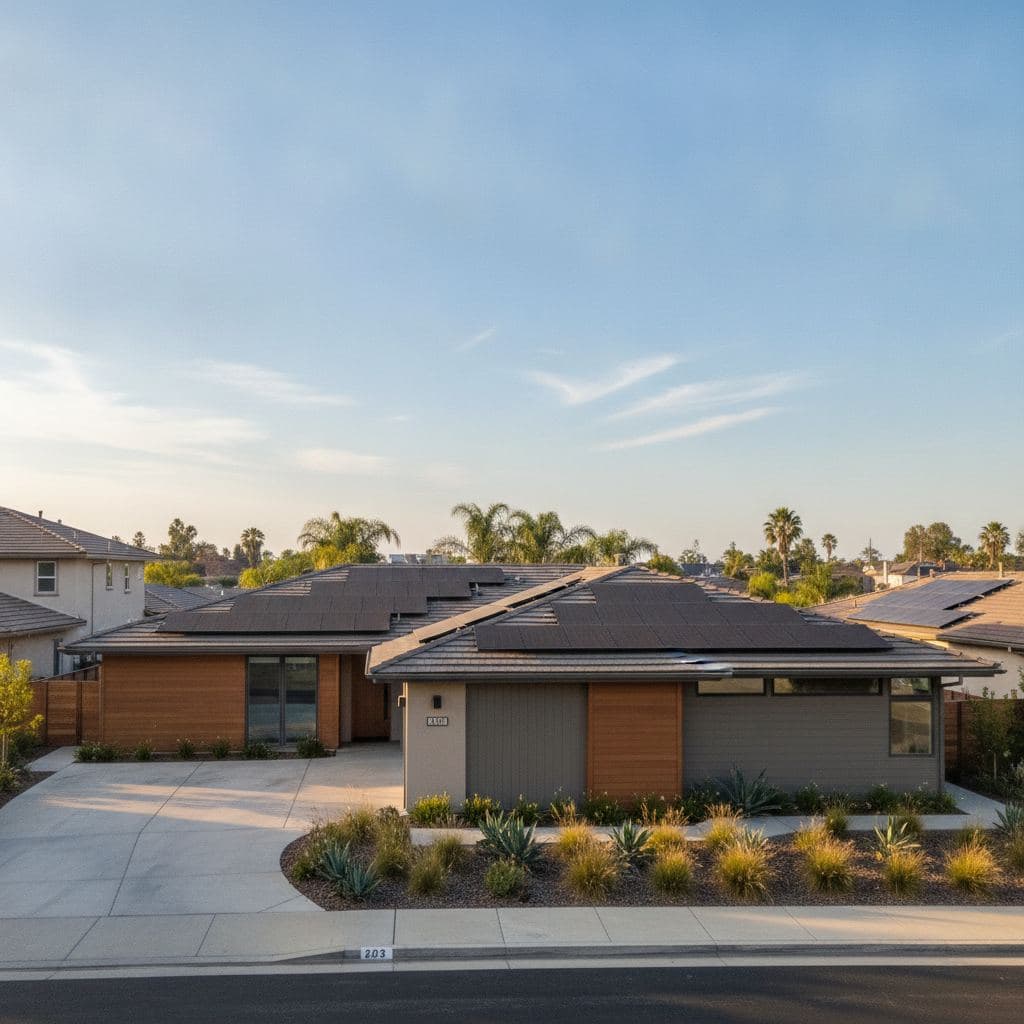
The physical work of bolting panels to your roof and wiring your system takes 1 to 3 days of crew time. The full journey from signed contract to Permission to Operate (PTO) — the moment you can actually flip the switch and start earning bill credits — runs 6 to 16 weeks in Southern California, depending almost entirely on your city's permit office and your utility's interconnection queue.
Last verified: August 2026 by Helios Energy Global.
Understanding why the gap between "installation day" and "live system" exists is the most useful thing we can tell you. The panels go up fast. The paperwork takes longer.
The full timeline, stage by stage
Here is how the weeks stack up for a typical Southern California residential install. These are real-world ranges based on current queue conditions — not best-case marketing numbers.
| Stage | What happens | Typical duration |
|---|---|---|
| 1. Design & engineering | Site survey, shading analysis, structural/electrical drawings | 1–2 weeks |
| 2. HOA approval (if applicable) | Submit plans; HOA has up to 45 days by CA law (AB 2188) | 1–6 weeks |
| 3. City building permit | SolarAPP+ cities: same-day to 48 hrs. Others: 2–6 weeks | 1–6 weeks |
| 4. Utility interconnection application | Filed in parallel with permitting; utility reviews system specs | 1–3 weeks |
| 5. Physical installation | Racking, panels, inverter, electrical work | 1–3 days |
| 6. City inspection | Inspector verifies install matches approved plans | 3–14 days to schedule |
| 7. Utility final approval / PTO | Utility reviews passed inspection, issues Permission to Operate | SCE: 2–4 wks · LADWP: 3–6 wks · SDG&E: 2–5 wks (estimates) |
| Total: contract to PTO | 6–16 weeks |
All durations are estimates based on current conditions and will vary. Parallel-tracking stages 3 and 4 compresses the overall schedule.
Why the permit step varies so much
SolarAPP+ cities: hours, not weeks
The National Renewable Energy Laboratory's SolarAPP+ platform lets participating cities auto-approve code-compliant residential solar permits in minutes or hours. In Southern California, cities including Santa Monica, Thousand Oaks, Anaheim, and Chula Vista have adopted it. If your city is on the list, your permit can be in hand the same day your installer submits the application — shaving 2–5 weeks off the schedule.
Non-SolarAPP+ cities: plan on 2–6 weeks
Many jurisdictions still require a human plan checker to review drawings. Backlogs at busy building departments (common in LA County unincorporated areas and some beach cities) can push this to 4–6 weeks. Your installer should know your city's current wait time before you sign.
How to check: Ask your installer which platform your city uses and what the current over-the-counter or online turnaround is. A good installer tracks this weekly.
Utility interconnection: SCE vs. LADWP vs. SDG&E
Your utility has to approve your system before you can export power to the grid. This step runs partly in parallel with permitting, but the final PTO can only come after your city inspection passes.
Southern California Edison (SCE)
SCE serves most of LA County outside the city of Los Angeles, plus Orange County, Riverside, and San Bernardino. Interconnection applications are processed through their online portal. Expect 2–4 weeks from passed inspection to PTO under normal queue conditions, though summer peak season can stretch this. SCE operates under NEM 3.0 (Net Billing Tariff), which means your export credits are time-differentiated and lower than retail — adding urgency to pairing storage with your system. See our NEM 3.0 explainer for the full picture.
LADWP
The Los Angeles Department of Water and Power is a municipal utility not subject to NEM 3.0. LADWP still offers retail-rate net metering, which is a meaningful financial advantage. The tradeoff: LADWP's interconnection queue has historically run 3–6 weeks after inspection, and their process involves a separate LADWP inspection in addition to the city building inspection. Budget extra time if you're in the city of Los Angeles.
SDG&E
San Diego Gas & Electric serves San Diego and southern Orange County. Like SCE, SDG&E is an investor-owned utility under NEM 3.0. Interconnection typically runs 2–5 weeks post-inspection. San Diego's building departments (especially the city of San Diego) have made meaningful progress on digital permitting, so the permit stage is often faster here than in parts of LA County.
Other Southern California municipal utilities
Pasadena Water and Power, Riverside Public Utilities, Anaheim Public Utilities, Burbank Water and Power, and Glendale Water and Power all run their own net metering programs independent of NEM 3.0. Timelines vary by utility; some are faster than SCE, some slower. If you're served by one of these, ask us specifically — the interconnection process and credit structure differ in ways that affect your payback calculation.
The HOA step: California law helps, but plan for it
If you live in an HOA community, California law (AB 2188, Civil Code §714) prohibits HOAs from unreasonably denying solar installations and limits review to 45 days. In practice, most HOA approvals come back in 2–4 weeks if your plans are clean and complete. Delays happen when:
- Plans don't include the HOA's preferred panel color or framing style
- The HOA board only meets monthly
- The management company is slow to forward documents
Speed tip: Submit HOA paperwork the same day you sign your contract, before the city permit application. These two processes can run in parallel and shaving time here costs nothing.
What causes the most delays — and how to avoid them
Common delay causes
- Incomplete permit drawings: A single revision request from the building department adds 1–3 weeks
- Roof repairs needed: If the inspection reveals the roof needs work before panels go on, the project pauses
- Panel or inverter supply issues: Less common in 2026 than 2022–23, but still possible for specific equipment
- Utility queue backlogs: Summer months (June–September) see higher interconnection volumes at SCE and SDG&E
- HOA revision requests: Aesthetic objections that require a revised plan set
What you can do to speed things up
- Choose an installer who files permits immediately after the site survey, not after you sign off on the final design
- Respond to document requests within 24 hours — every day of delay on your end adds a day to the schedule
- Get HOA paperwork in early and ask for written confirmation of receipt
- Ask your installer which permit path they're using (SolarAPP+ vs. over-the-counter vs. online queue) and what the current city turnaround is
- Don't schedule a vacation right after installation — you may need to be home for the city inspection
Our design and savings tool can help you start the process with a system size in hand before your site survey.
Does adding a battery change the timeline?
Yes, modestly. A battery system adds electrical work and sometimes a separate sub-panel, which can add 1–3 days to the physical installation. More importantly, battery systems require their own line items on permit drawings and sometimes trigger a separate inspection. Budget an extra 1–2 weeks on the permit side if you're adding storage. Given NEM 3.0's low export rates for SCE and SDG&E customers, most of our customers are adding batteries — so we design for both from day one to avoid a second permit later. Learn more on our batteries page.
Frequently asked questions about solar installation timelines
How long does the actual installation day take?
For a typical 6–10 kW residential system, the crew is on-site for 1 to 2 days. Larger systems, complex rooflines, or full-panel reroof combinations can stretch to 3 days. The electrical work inside (inverter, breaker panel connections) usually happens on the same day as the roof work.
Can I use my solar panels right after they're installed?
No. You cannot legally export power or run the system on grid-tied mode until your utility issues Permission to Operate (PTO). Running the system before PTO can void your interconnection agreement. The panels are physically installed but the system stays off until the utility flips the switch.
Does the timeline differ for a new construction home vs. a retrofit?
New construction can be faster if solar is included in the original building permit, because there's no separate solar permit to pull. Retrofits on existing homes follow the full timeline described above. Contact us if you're building new — the process is meaningfully different.
Is 2026 a good time to install, or should I wait for incentives?
The 30% federal residential solar tax credit expired December 31, 2025 and is not available for 2026 purchases. California's SGIP battery rebate program has residential funds that are currently waitlisted. There is no financial reason tied to incentives to delay — waiting does not bring back the federal credit. See our solar cost page for current pricing context.
What happens if my HOA denies my solar application?
California law strongly limits HOA authority to deny solar. If an HOA refuses on aesthetic grounds without offering a reasonable alternative location, they may be in violation of Civil Code §714. In practice, most disputes are resolved by adjusting panel placement or color. Outright denials are rare and legally risky for the HOA.
Does my roof type affect how long installation takes?
Yes. Composition shingle roofs are the fastest — standard mounting hardware goes on in hours. Tile roofs (common in Southern California) require tile hooks and more labor, adding half a day to a full day. Flat roofs with ballasted racking systems can also add time. See our roof types guide for specifics by material.
How do I know where my city stands on SolarAPP+?
Ask your installer directly — they should know your city's current permit path and turnaround time. NREL maintains a public list of SolarAPP+ adopters at solarapp.nrel.gov. Cities join and leave the program, so real-time installer knowledge beats any static list.
Next steps
- Book a free consultation and custom design — we'll pull your city's current permit timeline and utility queue status before your site survey
- See what a system costs in Southern California in 2026
- Explore battery storage options — especially relevant if you're on SCE or SDG&E under NEM 3.0
- Understand NEM 3.0 and how it affects your payback
- Compare solar vs. battery strategies under NEM 3.0
- See all Southern California service areas
More guides
How Much Does a 6kW Solar System Cost in California in 2026?
A 6kW solar system costs $15,000–$21,000 installed in California in 2026, with no federal tax credit available — payback runs 7–12 years depending on your utility.
ReadAverage electric bill in Orange County in 2026
Most Orange County households on SCE pay $180–$280/month, while Anaheim APU customers pay significantly less at roughly $110–$170/month — and the gap changes solar payback math dramatically.
ReadWhat's the Average Electric Bill in San Diego? (2026)
San Diego households pay the highest electricity rates in the continental US — SDG&E's bundled residential average sits near 46¢/kWh in 2026. Here's what typical bills look like at real usage levels, what SDCP changes, and how the solar math works under NEM 3.
ReadGet a free consultation and custom design.
No pressure, no obligation — the owner reviews every design we send.