Preparing Your California Home for Extreme Weather Patterns
As weather patterns shift, homeowners in Southern California are seeing how quickly environmental changes can impact daily life. While large-scale climate events might feel distant, the reality is that changing conditions are increasingly hitting closer to home, affecting everything from energy stability to property vulnerability. Taking proactive steps now ensures your household remains resilient regardless of what the coming season delivers. Key takeaways * El Niño events reshape global we
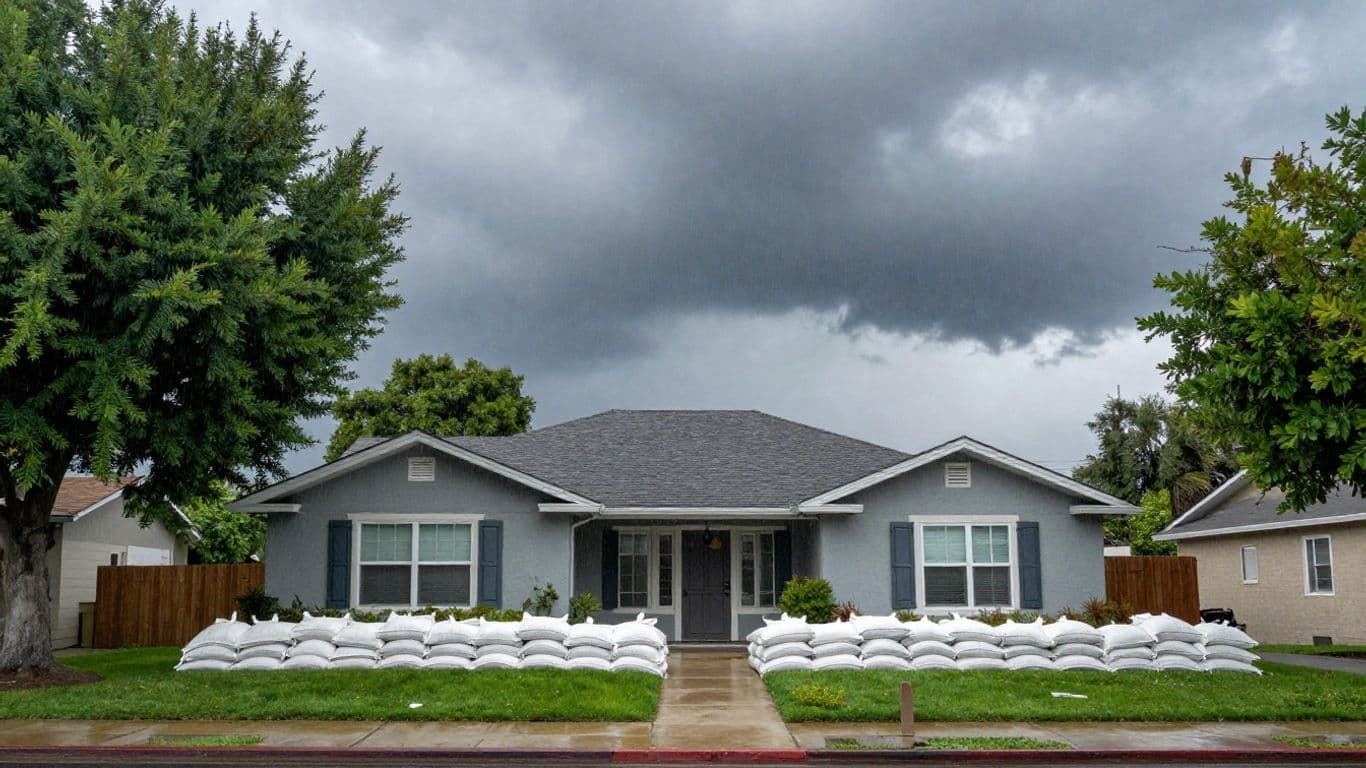
As weather patterns shift, homeowners in Southern California are seeing how quickly environmental changes can impact daily life. While large-scale climate events might feel distant, the reality is that changing conditions are increasingly hitting closer to home, affecting everything from energy stability to property vulnerability. Taking proactive steps now ensures your household remains resilient regardless of what the coming season delivers.
Key takeaways
- El Niño events reshape global weather patterns, leading to unexpected drought in some regions and heavy rainfall in others.
- Homeowners should prioritize property maintenance, such as clearing storm drains and reviewing flood insurance coverage, as many standard policies exclude flooding.
- Energy reliability is a major component of resilience; integrating solar and battery storage allows you to maintain power independence during grid strain.
Understanding your environmental risks
When weather cycles shift, the infrastructure around us—from local drainage to the electrical grid—is tested in ways that static historical data cannot always predict. For California residents, this often manifests as a swing between intense drought and periods of heavy precipitation. It is important to remember that standard homeowner insurance policies typically do not cover flood damage. If you live in an area prone to drainage issues, it is worth consulting your policy and potentially securing supplemental coverage before a storm hits.
Building household resilience
Resilience is about more than just reacting to the news; it is about preparing your physical space to handle the unexpected. A few practical maintenance habits can protect your investment:
- Clear drainage systems: Check your rain gutters and downspouts. Ensuring that water has a clear path away from your foundation is the easiest way to prevent costly water damage.
- Evaluate backup power: Grid demand often spikes during extreme weather events. Having a dedicated backup strategy can provide peace of mind if outages occur, especially if you rely on health-critical equipment.
- Assess physical vulnerabilities: Inspect trees, roof tiles, and exterior seals to ensure they can withstand higher-than-average wind or rain.
The role of solar and battery storage in energy stability
At Helios Energy Global, we often work with homeowners who are looking for ways to decouple their home from the volatility of the aging electrical grid. Installing a solar array coupled with home battery storage is a significant step toward self-reliance. During times of stress, such as extreme heatwaves or storm-related grid strain, having your own stored energy allows you to maintain functionality when your neighbors might be dealing with service interruptions.
With the state's transition to NEM 3.0, the economic logic of solar has evolved. While the grid buy-back rates have changed, the value of a solar and battery system today is driven by self-consumption and peak-shaving. By storing the energy you generate during the day for use in the evening hours, you mitigate the impact of higher utility rates.
Essentially, as the climate and policy landscape shifts, your solar-battery system becomes an asset that keeps your utility bills predictable and your power supply steady. Investing in a thoughtfully designed system today is the best way to guard against the financial unpredictability of an uncertain grid.
Keep reading
Qcells AI: Streamlining Solar Projects for Homeowners and Developers
At the RE Plus conference in Las Vegas, Joe Oria of Solar Surge sat down with Young Chun Park from Qcells to discuss the company's significant investment in solar software and artificial intelligence. Qcells aims to simplify the entire solar project lifecycle, from initial design to ongoing operation, by integrating hardware and software solutions. Key Takeaways * Qcells is developing integrated software solutions to address fragmentation in the solar project design and operation process. *
ReadTop 5 Best Solar Panels in 2026
Choosing solar panels in 2026 is less about finding one universal winner and more about matching the panel to your roof, budget, climate, and long-term plans. This guide compares five residential options, from low-cost and widely available modules to premium panels built for higher efficiency and stronger lifetime performance. Key takeaways * Canadian Solar TopHiKu 6 is the budget-focused choice, with broad availability and solid current-generation performance. * Silfab Prime 440W stands ou
ReadTesla's New Solar Panels: A Closer Look at the TSP 415 and 420
The landscape of residential solar is shifting as Tesla moves to bring its manufacturing fully in-house. By producing the new TSP 415 and TSP 420 panels at their Gigafactory in New York, the company is aiming to streamline the solar install process. For homeowners, this signals a focus on domestic energy production and potentially lower costs through simplified hardware. Why vertical integration matters for solar For a long time, the solar industry relied on a mix-and-match approach, where co
ReadReady to design your system?
Free quote, transparent pricing, owner-reviewed design.