Tesla's New Solar Panels: A Closer Look at the TSP 415 and 420
The landscape of residential solar is shifting as Tesla moves to bring its manufacturing fully in-house. By producing the new TSP 415 and TSP 420 panels at their Gigafactory in New York, the company is aiming to streamline the solar install process. For homeowners, this signals a focus on domestic energy production and potentially lower costs through simplified hardware. Why vertical integration matters for solar For a long time, the solar industry relied on a mix-and-match approach, where co
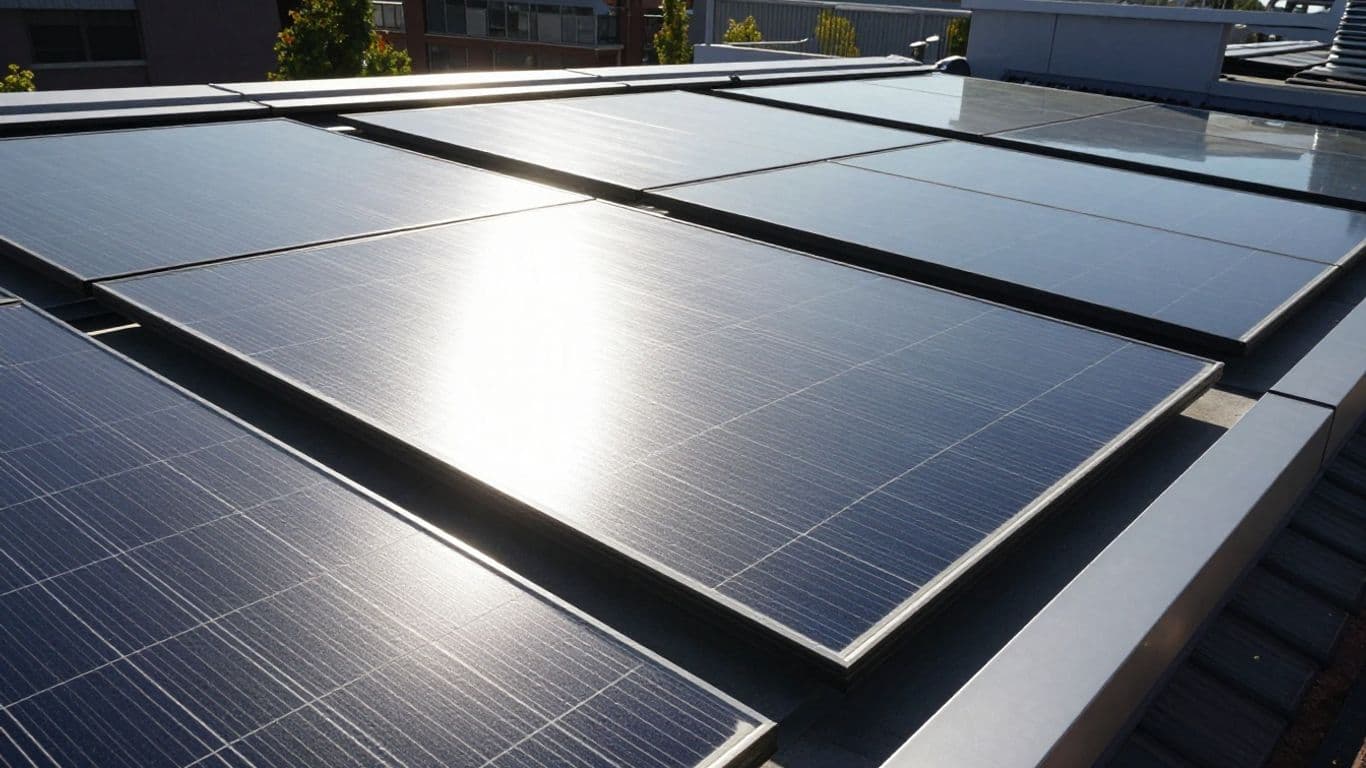
The landscape of residential solar is shifting as Tesla moves to bring its manufacturing fully in-house. By producing the new TSP 415 and TSP 420 panels at their Gigafactory in New York, the company is aiming to streamline the solar install process. For homeowners, this signals a focus on domestic energy production and potentially lower costs through simplified hardware.
Why vertical integration matters for solar
For a long time, the solar industry relied on a mix-and-match approach, where companies rebranded inverters and panels from various manufacturers. It was messy, and often, it meant juggling different warranties and support channels. Tesla’s move to produce their own panels marks a pivot toward a unified ecosystem.
At Helios Energy Global, we often talk to homeowners who are frustrated by the complexity of modern systems. When one company manages the architecture of the battery, the inverter, and now the panel itself, it often leads to a more cohesive installation. It is a big deal to have a product that is designed to be fully compatible with the increasingly popular Powerwall 3, simplifying the connection between generation and storage.
The technical specs: What to expect
When you are looking at hardware, efficiency and output usually sit at the top of the list. The Tesla TSP series aims to balance high output with cost-effectiveness. Here is how they stack up against the general market standard for similar products:
| Feature | Tesla TSP 415/420 |
|---|---|
| Power Output | 415W - 420W |
| Module Efficiency | 19.8% - 21% |
| Product Warranty | 25 Years |
| Performance Warranty | 25 Years |
| Origin | USA (Buffalo, NY) |
Key takeaways
- Domestic manufacturing: Being made in the USA helps with component qualification for domestic content incentives.
- Integrated shade management: The panels are unique, featuring 18 individual power zones within the same module, which helps mitigate the impact of shading without needing extra hardware.
- Simplified installation: Designed for railless mounting systems, which helps shave time off the roof-work phase of your project.
The design advantage: Less clutter
One of the questions we get a lot at Helios is about aesthetics. Nobody wants a roof covered in bulky, complex racks and optimization boxes. The railless mounting system Tesla uses is a breath of fresh air. It is much cleaner and intentional in its design, which resonates with our commitment to making solar look like a natural part of your home rather than an industrial add-on.
Furthermore, the built-in shade mitigation is a big shift away from the gear-heavy systems of the past. Traditionally, you might have felt like you needed micro-inverters or DC optimizers on every corner of the roof to handle a little bit of shadow. By moving that tech inside the panel, you have fewer components that could potentially break over the next 25 years. It is about confidence and simplicity.
What this means for CA homeowners under NEM 3.0
If you live in California, the rules of the game changed with NEM 3.0. The value of exporting excess energy to the grid has dropped significantly, making self-consumption the name of the game. You are no longer trying to "sell back" as much as possible; you are trying to use what you produce.
This is why high-efficiency panels and integrated battery systems are no longer just luxury items—they are essential tools. By pairing these new, high-performance panels with local battery storage, you are effectively taking charge of your energy costs. At Helios, we help homeowners design systems that prioritize this self-consumption, ensuring your home runs on your own stored power during those expensive peak rate hours. It is all about giving you control without the confusing markups or high-pressure tactics that complicate the switch to solar.
Keep reading
The Future of Solar Financing: Prepaid Leases and NEM 3.0
The solar industry is seeing big shifts as we head into 2026. With changes to tax credits and new financing options emerging, homeowners need to understand how these developments might affect them, especially in California under NEM 3.0. Key Takeaways * Third-Party Ownership (TPO) is growing: Leases and Power Purchase Agreements (PPAs) are becoming more common as the individual solar tax credit (25D) phases out. * Domestic Content & FEOC rules: To qualify for enhanced tax credits (like the
ReadSonnen Battery Vs Tesla Powerwall II
Choosing a home battery is not just about how many kilowatt-hours it stores. Power output, warranty terms, installation needs, and how you plan to use the system all matter. This comparison looks at the Sonnen Core and Tesla Powerwall II to help Southern California homeowners make a practical backup and self-consumption decision. Key takeaways * Tesla Powerwall II stores more energy: 13.5 kWh compared with the Sonnen Core’s 10 kWh. * Sonnen offers stronger cycle coverage: up to 10,000 cycle
ReadTaking control: A guide to building a reliable off-grid solar system
Deciding to go off-grid is a big step for any homeowner. Whether you are avoiding a costly grid connection or simply want total independence, the process requires more than just buying the right gear. Success comes down to careful planning, matching your storage to your habits, and managing your electricity output wisely. Understanding your energy autonomy When you leave the safety net of the utility grid, you have to think differently about power. It is not just about the solar panels; it is
ReadReady to design your system?
Free quote, transparent pricing, owner-reviewed design.