Solar Panel Removal and Reinstall: The Full Process and Timeline (2026)
A solar detach-and-reset for a reroof typically takes one day to detach and one to two days to reinstall once the roofer is done. Helios charges $250–$350 per panel — about $5,000–$7,000 for a 20-panel system.
By Taylor Crouse — Founder, Helios Energy GlobalPublished
Quick answer
- A solar detach-and-reset (D&R) for a reroof typically takes one day to detach and one to two days to reset once the roofer is done, with the roofing window in between.
- Helios charges $250–$350 per panel for the D&R — about $5,000–$7,000 for a typical 20-panel system — covering storage, new flashing and mounting hardware, reinstallation, recommissioning and production verification (where a job lands depends on panel count, roof pitch, and access).
- SCE customers: a like-for-like D&R with no system changes generally does not require a new interconnection application, but your contractor must notify SCE per Rule 21 Table Ee.1 before going offline.
- LADWP customers are not on NEM 3.0 and retain retail-rate net metering — your tariff status is preserved through a properly documented D&R.
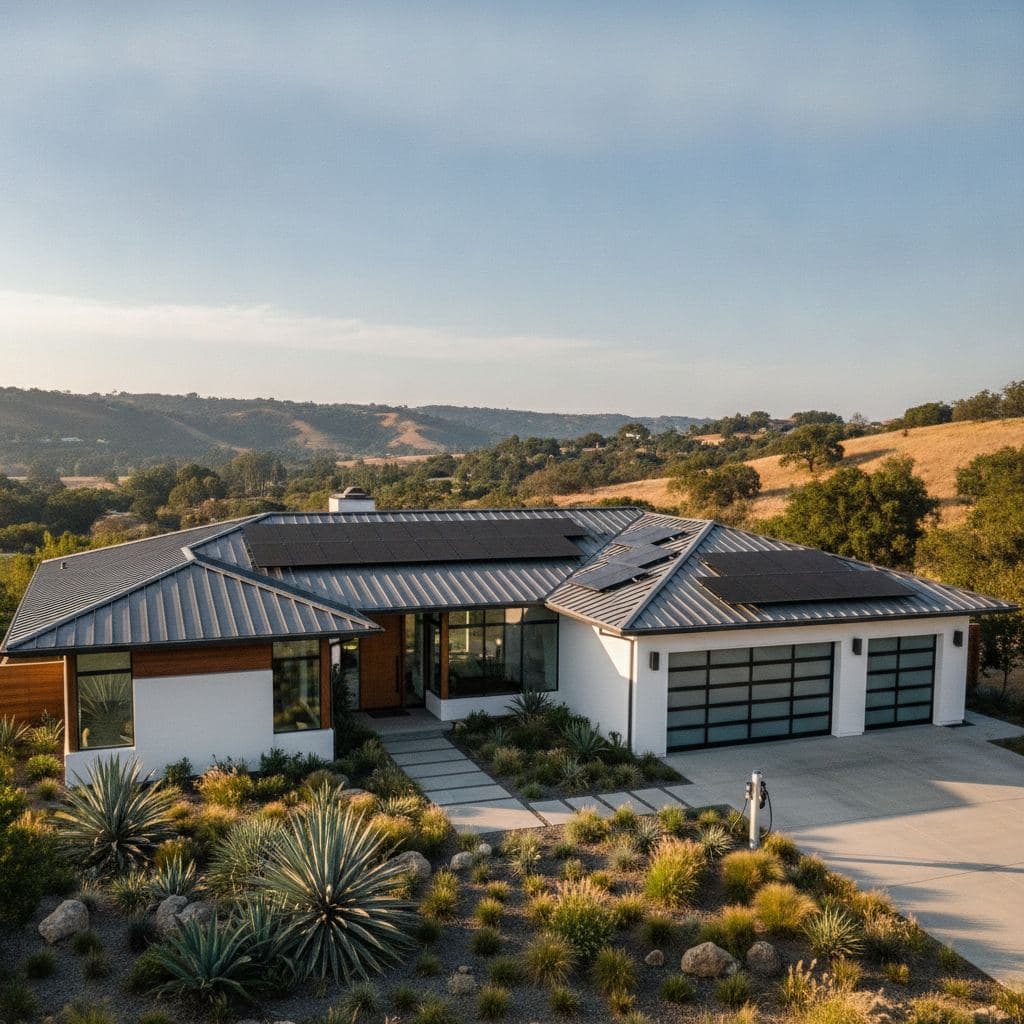
A full solar panel detach-and-reset around a reroof takes most Southern California homeowners 4–7 calendar days of solar downtime — typically one day to detach, however long the roofing takes, then one to two days to reset and recommission. A detach and reset (D&R) means the panels come off temporarily so roofing work can happen, then go right back up. Helios charges $250–$350 per panel for it — about $5,000–$7,000 for a 20-panel system — with the roofing quoted separately.
Last verified: September 2026 by Helios Energy Global.
What a detach-and-reset actually costs in Southern California
Helios charges $250–$350 per panel for removal and reinstallation, with tile or steep-pitch roofs at the top of the range and simple single-story shingle at the bottom. For a typical Southern California home with 16–24 panels, that puts the D&R at $4,000–$8,400.
| Cost item | Typical range | Notes |
|---|---|---|
| Helios price per panel (detach and reset) | $250–$350 | Higher for tile or steep, complex roofs; includes new flashing and mounting hardware at every attachment |
| Full D&R, 16-panel system | $4,000–$5,600 | $250–$350 per panel |
| Full D&R, 24-panel system | $6,000–$8,400 | $250–$350 per panel |
| On-site panel storage/protection | Included | Labeled, padded storage on site; off-site storage beyond 30 days is quoted separately |
| Recommissioning and production verification | Included | Utility or AHJ notification where required |
| Failed components found during the detach | Quoted separately | Flagged with a price before anything is replaced |
| Roofing work itself | Quoted separately | By your roofer or our licensed roofing partners |
Prices above are Helios's $250–$350 per panel and do not include roofing costs. There is no federal residential solar tax credit in 2026 — the 30% federal residential tax credit expired on December 31, 2025, and no longer applies to purchased systems.
Step-by-step: the full process
Step 1 — Pre-project assessment (1–2 weeks before detach day)
Before a single panel comes off, a licensed solar technician walks the roof with the roofing scope in hand. The goals: confirm panel count and racking type, photograph the existing layout for exact repositioning, flag any panels or microinverters showing pre-existing issues, and measure flashing conditions at every penetration point. This is also when we pull the city permit if the local jurisdiction requires one for a D&R.
For SCE customers, this is the moment to review your interconnection paperwork. Modifications that require a new interconnection application and SCE approval include any changes increasing the system's output by more than 10% of the original net output capacity, or removal of equipment under a Rule 21 multi-tariff agreement — for full details on system modification notification requirements, see Table Ee.1 of Rule 21. A straight like-for-like D&R — same panels, same positions, no capacity change — typically does not trigger a new application, but your solar contractor must document the temporary shutdown correctly. We handle this paperwork as part of the project.
LADWP homeowners: LADWP runs its own net metering program and is not on NEM 3.0. A properly documented D&R preserves your retail-rate net metering status. Confirm the notification procedure with your LADWP account rep before detach day — we do this on your behalf.
Step 2 — Detach day (Day 1, sometimes Day 2 for large systems)
Solar panels keep producing electricity whenever sunlight reaches them, meaning that even when your system is shut down, certain components may still carry electrical current — if these components aren't handled properly, they can create risks of shock, arc faults, equipment damage, and fire hazards. This is why detach is licensed electrical work, not roofing work.
Our C-10 licensed technicians follow this sequence on detach day:
System shutdown: The inverter is powered down at the AC disconnect. String systems are shut off at the combiner; microinverter systems are shut off at the gateway.
DC side isolation: Each string or microinverter branch is isolated before any mechanical work begins.
Electrical disconnection at the array: DC wiring is labeled, photographed, and capped. Connectors are protected from moisture and debris.
Panel removal: Panels are unclipped or unbolted from the racking, lowered to the roof deck, and passed to ground crew. Certified professionals are required to maintain warranties and ensure safe handling of electrical components.
Racking decision: If the racking is coming off for a full tear-off reroof, it is removed and labeled for reinstall. If the roof is an overlay or the racking is staying, it is left in place and tarped.
A 20-panel system on a straightforward single-story roof typically detaches in one day. Steep pitches, tile roofs, or systems with string inverters in tight utility closets may push detach into a second day.
Step 3 — Panel storage and protection during the roofing window
Once panels are off the roof, they need to be stored safely for the duration of the roofing work — typically 2–5 days for a standard reroof, longer for tile or complex jobs.
Standard protocol:
- Panels are stacked face-to-face in pairs on foam padding, never glass-to-ground.
- Stacks are secured with ratchet straps and stored in a shaded, dry location — ideally the garage or a covered side yard.
- Wiring harnesses are coiled and bagged to prevent connector damage.
- If panels must remain on-site in the open, they are covered with breathable tarps secured against wind.
What we don't do: Leave panels face-down on concrete, stack them more than 4–6 units high, or allow roofing crew to use them as work platforms.
If your system uses microinverters (Enphase is common in Southern California), the microinverters typically stay attached to the panel frames during storage — they travel with the panels and are not removed separately unless one needs service.
Step 4 — Roofing work window
All roofing work — tear-off, underlayment, new shingles or tile, and valley/ridge work — is performed through our licensed roofing partners. Helios's own license is C-10 electrical/solar; we coordinate the roofing scope, schedule, and quality check, but the physical roofing is done by vetted, licensed roofing contractors who carry their own liability and workers' comp coverage.
Why this matters to you: You get a single project manager (us), one schedule, and one point of accountability — without the coordination chaos of hiring a roofer and a solar company separately and hoping they talk to each other.
During the roofing window, our project manager stays in contact with the roofing crew to confirm:
- All old lag bolt penetrations are properly filled or replaced (not just caulked over)
- The new roof surface is fully dried in before reset day
- Any structural issues found during tear-off are flagged to you immediately
Step 5 — Reset day (1–2 days after roofing is complete)
Reset is the mirror image of detach, with one critical addition: new flashing and sealing at every mounting penetration.
Solar removal cost for roof replacement covers removal, short-term storage, new mounting parts, rewiring, and testing — this all happens after the roof is done.
Our reset sequence:
- New lag bolts and flashing: Every roof penetration gets a new stainless-steel lag bolt torqued to spec, with a new aluminum or lead flashing boot sealed with roofing-grade sealant. We never reuse compromised penetrations.
- Racking reinstall: Rails or standoffs are reinstalled to the original layout (confirmed against the pre-detach photo record).
- Panel remount: Panels go back in their documented positions, clipped or bolted to spec.
- Wiring reconnection: DC connectors are mated, tug-tested, and inspected for any damage that occurred during storage.
- Inverter startup and system check: The inverter is brought back online; production is confirmed on the monitoring portal.
- Recommissioning inspection: Depending on the city and whether a permit was pulled, a municipal inspector may need to sign off before the system goes live. We schedule this as part of the project.
For SCE customers, if your system was temporarily offline under a documented D&R with no capacity change, your existing Solar Billing Plan (NEM 3.0) tariff status is maintained — you do not restart the interconnection queue. Once your project receives final approval, SCE will issue your Permission to Operate, which authorizes you to operate your solar generating system. For a D&R, the PTO is already in hand; recommissioning is an internal check, not a new application.
Step 6 — Final inspection and system recommission
After reset, we run a full system health check:
- Production test: Compare live output to pre-detach baseline for the same time of day and weather conditions.
- Monitoring portal review: Confirm all panels or microinverters are reporting correctly. Any panel that went dark during storage gets pulled and tested.
- Roof penetration walkthrough: Every flashing point is visually inspected and photographed for your records.
- Utility notification close-out: We file any required close-out documentation with SCE or LADWP confirming the system is back online.
You receive a post-project report with before/after photos of every penetration, the panel layout diagram, and the system performance screenshot.
How utility rules affect the timeline
| Utility | Net metering program | D&R notification required? | New interconnection app? |
|---|---|---|---|
| SCE | NEM 3.0 / Solar Billing Plan | Yes — per Rule 21 Table Ee.1 | No, if like-for-like D&R |
| LADWP | LADWP retail-rate net metering (not NEM 3.0) | Notify LADWP before shutdown | No, if like-for-like D&R |
| Pasadena PWP | PWP net metering (muni, not NEM 3.0) | Notify PWP before shutdown | No, if like-for-like D&R |
| SDG&E | NEM 3.0 / Solar Billing Plan | Yes — per Rule 21 Table Ee.1 | No, if like-for-like D&R |
| Burbank / Glendale / Anaheim | Muni net metering (not NEM 3.0) | Notify utility before shutdown | No, if like-for-like D&R |
The key rule for SCE and SDG&E customers: Modifications that require a new interconnection application include any changes increasing the system's output by more than 10% of the original net output capacity — for full notification requirements, see Table Ee.1 of Rule 21. A straight D&R with no capacity change stays within the existing interconnection. If you're thinking about adding panels or a battery at the same time as the reroof, that triggers a new application and a longer timeline — we'll flag this at the assessment stage.
What can go wrong — and how we prevent it
Connector damage during storage. MC4 connectors are the most common casualty of a DIY or poorly managed D&R. We inspect every connector before and after storage and replace any that show corrosion, cracking, or deformation.
Flashing failure at reinstall. The most common cause of post-reroof leaks under solar arrays is reusing old lag bolt holes without proper flashing replacement. Solar removal and reinstallation is specialized work that requires trained professionals, electrical expertise, and careful coordination with your roofing contractor. Every penetration gets new hardware and new sealant on reset day — no exceptions.
Warranty voiding. Improper removal can void warranties and potentially damage both your panels and roof. Helios's C-10 licensed technicians perform all electrical disconnection and reconnection work, preserving your panel and inverter manufacturer warranties.
Leased or financed systems. Leased systems and PPAs almost always need the solar company's okay first. If you have a lease or PPA, contact your finance company before scheduling a D&R — they may require their own technician or approval process. We can help you navigate this.
Frequently asked questions about solar panel removal and reinstall
How long will my solar system be offline during a reroof?
Expect 4–10 days of total downtime in most cases: typically one day for detach, 2–5 days for roofing (varies by scope and weather), and one to two days for reset and recommissioning. A simple overlay reroof with a small system can compress this to 4–5 days; a full tile tear-off on a large home can stretch to 10–14 days. We give you a firm schedule at the assessment stage.
Will my NEM tariff or solar billing plan be affected?
For a like-for-like D&R with no capacity changes, your existing tariff status is preserved. SCE customers on the Solar Billing Plan (NEM 3.0) stay on it; LADWP customers on retail-rate net metering stay on it. The critical step is proper utility notification before shutdown — we handle this paperwork as part of every D&R project.
Do I need a new permit to put my panels back up?
It depends on the city. Some Southern California municipalities require a permit for any solar work, including a D&R; others treat a like-for-like reinstall as permit-exempt. We check the specific AHJ (Authority Having Jurisdiction) requirements for your address at the assessment stage and pull any required permits before detach day.
Can I add panels or a battery at the same time as the reroof?
Yes — and a reroof is actually an ideal time to expand, since the racking is already off. However, adding capacity means a new SCE or LADWP interconnection application and potentially a longer timeline before the system goes back online. We design these combined projects regularly; just flag it at the consultation stage so we can build the right timeline.
Who does the roofing — Helios or a separate company?
All roofing work is performed through our licensed roofing partner contractors, coordinated by Helios as one project. Helios's own license is C-10 electrical/solar; we manage the full schedule and quality oversight, but the physical roofing is done by vetted, licensed roofers. You deal with one project manager and one timeline — not two separate crews.
What happens to my panels while the roof is being replaced?
Panels are stored on-site in a shaded, protected location — typically your garage or covered side yard — stacked face-to-face on foam padding and secured with straps. Wiring harnesses are coiled and bagged. If outdoor storage is unavoidable, panels are covered with breathable, secured tarps. We photograph the storage setup for your records.
Is a detach-and-reset covered by homeowner's insurance?
If the reroof is triggered by a covered event (storm damage, fire, etc.), your homeowner's insurance may cover the D&R cost as part of the claim. If you're doing an elective reroof, the D&R is typically out-of-pocket. Insurance may help if the roof damage was a covered event — it will not cover an upgrade you chose to make. We can provide a written per-panel quote, stating what it includes, for your insurance claim.
Next steps
- Book a free consultation and custom design — we'll assess your system, roof scope, and utility situation and give you a firm D&R timeline and estimate at no cost.
- Learn how NEM 3.0 affects SCE customers — understand how your tariff status is maintained through a D&R.
- Solar + battery: the NEM 3.0 strategy guide — if you're thinking about adding storage at reroof time, start here.
- See all solar services for Southern California — full scope of what Helios installs and services.
- Battery storage options and pricing — add a Powerwall or other storage system while the racking is already off.
- Understand your all-in solar system cost — the $2.50–$3.50/W new-install range explained in full.
- Southern California service locations — confirm we serve your city.
Sources
- Solar Equity Solutions – Solar Panel Removal Cost 2026 Full Price Guide — July 13, 2026
- Southern Energy – Solar Panel Removal and Reinstall: What It Costs and What to Watch Out For — July 7, 2026
- SCE Solar Billing Plan FAQs – System Modification Notification Requirements (Rule 21 Table Ee.1) — April 14, 2026
- A1 Solar Store – Solar Panel Removal Cost Guide 2026 — April 6, 2026
More guides
How Much Does a Roof Replacement with Solar Panels Cost in 2026?
A combined roof-replacement-plus-new-solar project in Southern California typically runs $30,000–$65,000 depending on roofing material and system size — less than doing both projects separately. If you already have solar, Helios's detach-and-reset adds $250–$350 per panel.
ReadDo I need HOA approval for solar in California? (2026 guide)
California Civil Code 714 limits HOA conditions to a $1,000 cost cap and 10% output reduction—your HOA cannot ban solar outright.
ReadIs solar worth it in Los Angeles in 2026?
Solar payback in LA runs roughly 7–11 years depending on your utility—LADWP's retail-rate net metering makes it the strongest solar market in California.
ReadGet a free consultation and custom design.
No pressure, no obligation — the owner reviews every design we send.