How many kWh does it take to charge a Tesla in 2026?
Charging a Tesla takes roughly 50–100 kWh depending on the model, costing about $17–$35 per full charge on SCE or $14–$28 on LADWP at average rates, and less on an overnight off-peak plan.
By Taylor Crouse — Founder, Helios Energy GlobalUpdated
Quick answer
- A full Tesla charge takes roughly 50 kWh (Model 3 Standard Range) to 100 kWh (Model X or Cybertruck).
- At SCE's ~34–35¢/kWh average that's about $17–$35 per full charge; at LADWP's ~28¢/kWh it's closer to $14–$28.
- Per mile, a Model Y costs about 5.5¢ on off-peak power versus roughly 15¢ per mile for a 30 MPG gas car at $4.50/gallon.
- Covering 12,000 miles/year of Tesla driving takes roughly 3,000–3,600 kWh, or about 4–6 additional solar panels.
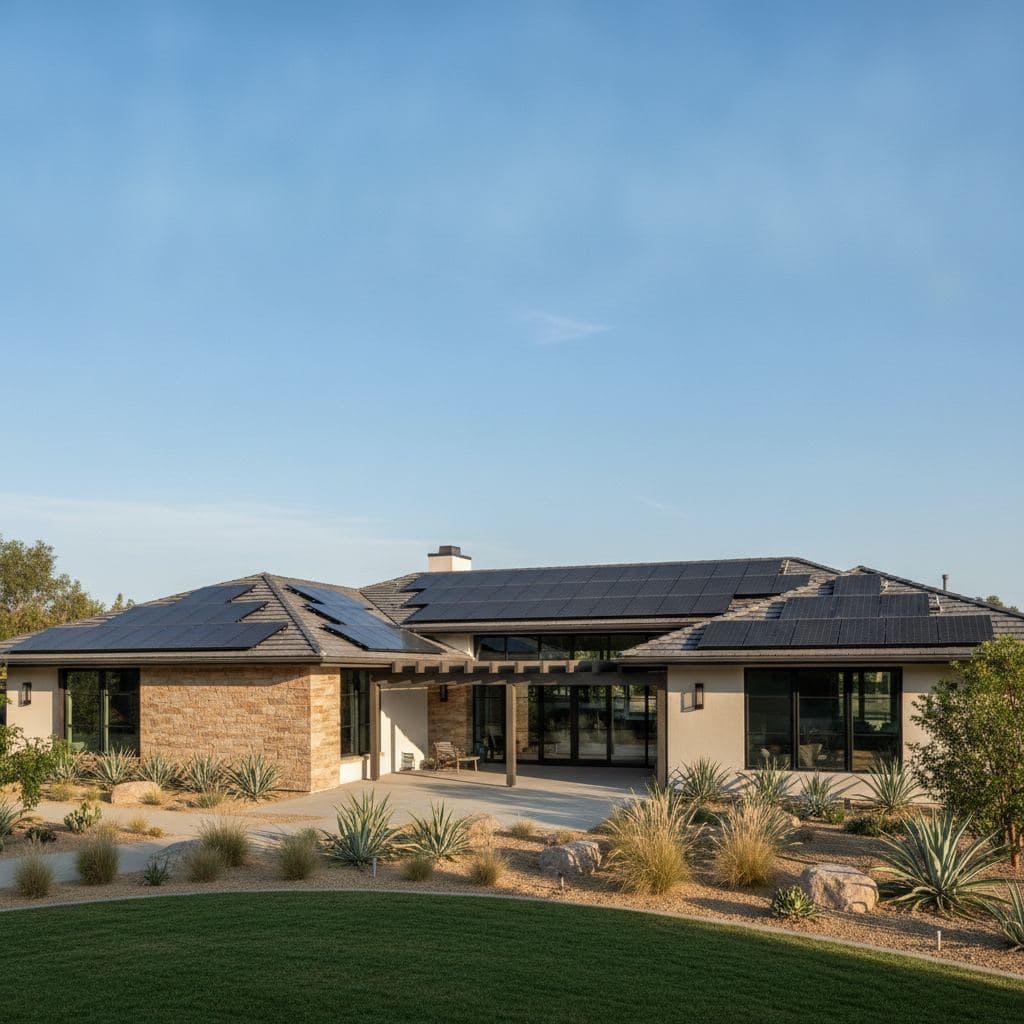
A full charge on a Tesla requires roughly 50 kWh (Model 3 Standard Range) to 100 kWh (Model X or Cybertruck), depending on battery size. At Southern California Edison's average residential rate of about 34–35¢/kWh, that works out to approximately $17–$35 per full charge; LADWP customers pay closer to $14–$28 at that utility's ~28¢/kWh effective rate.
Last verified: September 2026 by Helios Energy Global.
The numbers by model: kWh, range, and charge cost
The single most useful thing to know is your Tesla's usable battery capacity — that's the number of kWh you're actually putting back in when you charge from near-empty to full. Tesla rates batteries by gross capacity; real-world usable capacity is typically 90–95% of that figure.
| Tesla Model | Usable Battery (est.) | EPA Range (est.) | Full-charge cost @ SCE ~34¢/kWh | Full-charge cost @ LADWP ~28¢/kWh |
|---|---|---|---|---|
| Model 3 Standard Range (RWD) | ~50–57 kWh | ~270–290 mi | ~$17–$19 (estimate) | ~$14–$16 (estimate) |
| Model 3 Long Range AWD | ~75–82 kWh | ~330–360 mi | ~$26–$28 (estimate) | ~$21–$23 (estimate) |
| Model Y Standard Range | ~57–60 kWh | ~260–280 mi | ~$19–$21 (estimate) | ~$16–$17 (estimate) |
| Model Y Long Range AWD | ~75–82 kWh | ~310–340 mi | ~$26–$28 (estimate) | ~$21–$23 (estimate) |
| Model S Long Range | ~95–100 kWh | ~390–410 mi | ~$32–$34 (estimate) | ~$27–$28 (estimate) |
| Model X Long Range | ~95–100 kWh | ~330–350 mi | ~$32–$34 (estimate) | ~$27–$28 (estimate) |
| Cybertruck AWD | ~100–123 kWh | ~320–370 mi | ~$34–$42 (estimate) | ~$28–$34 (estimate) |
Note: Costs above assume charging from ~10% to 100%. Real-world usage varies by temperature, driving style, and how low you let the battery drop before charging. Battery capacities are based on Tesla's published specs and may change with software updates.
Why your utility makes such a big difference in Southern California
Southern California is unusual because two major utilities serve overlapping geography with very different rate structures.
SCE customers (most of LA County, Orange County, Inland Empire): - Average residential rate is approximately 34–35¢/kWh blended, but TOU rates mean the 4–9 PM peak window can push to 45–55¢/kWh or higher. - If you charge during off-peak hours — typically after 9 PM — you can bring your effective rate down toward 20–25¢/kWh on SCE's TOU-D-PRIME plan.
- Charging a Model Y Long Range at peak costs roughly $37–$45. The same charge after 9 PM costs roughly $15–$21. - The takeaway: when you charge matters almost as much as where you charge on SCE.
LADWP customers (City of Los Angeles):
- LADWP's average residential rate is roughly 28¢/kWh, significantly lower than SCE.
- LADWP still operates under a retail-rate net metering program — it is not on NEM 3.0 (the CPUC's Net Billing Tariff), which only applies to investor-owned utilities like SCE, PG&E, and SDG&E.
- This means LADWP solar owners get full retail credit for exported energy, which has major implications for EV charging math (more on this below).
Other Southern California municipal utilities:
- Pasadena Water & Power, Burbank Water & Power, Glendale Water & Power, Anaheim Public Utilities, and Riverside Public Utilities all run their own net metering programs independent of NEM 3.0. Rates and export credit structures vary — check directly with your utility.
How much does it cost to charge a Tesla per mile?
A simple cost-per-mile figure is often more intuitive than cost-per-charge, because you rarely charge from 0% to 100% in one session.
- SCE off-peak (~22¢/kWh): Model Y Long Range uses roughly 0.25 kWh/mile → about 5.5¢ per mile
- SCE peak (~50¢/kWh): Same car → about 12.5¢ per mile
- LADWP (~28¢/kWh): Same car → about 7¢ per mile
- Gas comparison: A 30 MPG car at $4.50/gallon costs roughly 15¢ per mile
Even on SCE's blended rate, electricity is cheaper per mile than gasoline for most Southern California drivers. The gap widens considerably if you charge with solar.
Solar charging math: what does it actually take?
This is where the numbers get interesting. If you add solar panels, you can shift a meaningful portion of your Tesla charging cost to near zero — but the math depends heavily on your utility.
How many solar panels does it take to cover a Tesla?
A rough rule: 1 mile of Tesla driving requires about 0.25–0.30 kWh. If you drive 12,000 miles per year, that's roughly 3,000–3,600 kWh annually just for the car.
In Southern California, a single 400-watt solar panel produces roughly 600–700 kWh per year (excellent sun exposure, per NREL data). So covering your Tesla's annual energy use requires approximately 4–6 additional solar panels beyond what you'd install for your home.
In dollar terms, 4–6 panels at today's installed costs of roughly $2.50–$3.50 per watt adds approximately $3,800–$7,800 to a solar project — a one-time cost that eliminates years of EV charging bills.
The LADWP advantage for solar EV charging
Because LADWP still offers retail-rate net metering, excess solar you export during the day earns you full credit at ~28¢/kWh. You can effectively "bank" midday solar production and draw it back at night when you charge your Tesla — dollar for dollar. This makes the solar-plus-EV math particularly clean for LADWP customers.
SCE customers on NEM 3.0 receive lower export rates (often 5–8¢/kWh for daytime exports), which changes the calculus. For SCE households, pairing solar with a home battery — so you store midday solar and charge the car from stored energy at night — is often the more financially sound approach. See our guide on solar vs. battery strategy under NEM 3.0 for a deeper look.
What about incentives in 2026?
The 30% federal residential solar tax credit expired December 31, 2025. There is no federal tax credit available for a residential solar system installed in 2026. California's SGIP battery incentive program has residential funds that are waitlisted as of mid-2026 — it's worth applying, but don't count on it in your payback math until you have a confirmed reservation.
For a personalized estimate of how solar offsets your specific Tesla charging costs, see our design and savings tool or book a free consultation.
Practical tips for Southern California Tesla owners
- Set a charge schedule. Tesla's app lets you set a departure time; the car will automatically charge during off-peak hours. On SCE, this alone can cut your charging cost nearly in half.
- Don't charge to 100% daily. Tesla recommends keeping daily charging at 80–90% to preserve battery health. Only charge to 100% before a long trip.
- Level 2 home charger vs. 120V outlet. A Level 2 (240V) EVSE charges at 25–48 miles of range per hour vs. 3–5 miles on a standard outlet. For most Tesla owners, a home Level 2 charger is a worthwhile upgrade.
- Track your charging kWh. Tesla's app shows lifetime charging data. This is the most accurate way to size a solar system for your actual driving habits — far better than any estimate.
Frequently asked questions about charging a Tesla
How many kWh does a Tesla Model 3 use per charge?
A Model 3 Standard Range has a usable battery of roughly 50–57 kWh, so a full charge from near-empty costs about 50–57 kWh. The Long Range version is larger at around 75–82 kWh. Your actual kWh consumed will be less if you top off before fully depleting.
How much does it cost per month to charge a Tesla at home in Los Angeles?
It depends on your utility and how much you drive. A typical LA driver covering 1,000 miles per month in a Model Y would use roughly 250–300 kWh for the car. At LADWP's ~28¢/kWh that's about $70–$84/month; at SCE's blended ~34¢/kWh it's roughly $85–$102/month — though smart off-peak scheduling on SCE can reduce that significantly.
Does charging a Tesla raise my electric bill a lot?
Expect your monthly electricity bill to increase by roughly $50–$120 for average Southern California driving distances, depending on your utility and when you charge. SCE customers who charge at peak (4–9 PM) will see the largest increases; scheduling charging after 9 PM or adding solar can dramatically reduce that impact.
Is it cheaper to charge a Tesla with solar panels?
Yes, significantly. Once a solar system is paid off, the marginal cost of solar electricity is near zero, making each mile of Tesla driving essentially free. Even during the payback period, solar-generated kWh are cheaper than grid kWh. LADWP customers with retail net metering get the most straightforward benefit; SCE customers under NEM 3.0 benefit most when they pair solar with a home battery to shift charging to stored solar energy.
How long does it take to charge a Tesla at home?
On a standard 120V outlet (Level 1), expect 3–5 miles of range per hour — a full charge from empty could take 2–4 days. A Level 2 home charger (240V, 48A) delivers 25–44 miles per hour, meaning most Teslas charge fully overnight in 6–12 hours. For most homeowners, installing a Level 2 EVSE is the practical choice.
What Tesla model uses the most electricity to charge?
The Cybertruck AWD and Model S/X Long Range have the largest batteries at roughly 95–123 kWh usable, making them the most expensive to charge. A full Cybertruck charge can cost $34–$42 on SCE or $28–$34 on LADWP at average rates. The Model 3 Standard Range is the most efficient, typically requiring 50–57 kWh per full charge.
Can I charge my Tesla entirely with solar panels on my roof?
Yes, if your system is sized to cover both your home load and EV charging. For most Tesla owners driving 10,000–15,000 miles per year, this means adding roughly 4–8 panels (1.6–3.2 kW) to a standard home solar system. A custom design is the most accurate way to size this — panel count varies significantly based on your roof, shading, and actual driving data.
Next steps
- Book a free consultation and custom design — we'll size a solar system around your actual Tesla charging data, not generic estimates.
- Explore our solar panel cost guide for Southern California — current pricing ranges and what drives the cost up or down.
- Understand NEM 3.0 and what it means for EV owners on SCE — the export rate change affects how you should think about solar + EV.
- Solar vs. battery strategy under NEM 3.0 — why SCE customers often benefit from pairing solar with storage for EV charging.
- Learn about home battery storage — store midday solar, charge your Tesla at night, and stay powered during outages.
- See all Southern California service locations — we serve Santa Monica, Los Angeles, and communities across SCE and LADWP territory.
More guides
Best Solar Companies in Oak Park, CA (2026): An Honest Guide for Homeowners
A straight-talking, numbers-first guide to the best solar installers serving Oak Park, CA in 2026 — covering SCE net billing, real price ranges, battery decisions, and what to ask before you sign.
ReadBest Solar Companies in Newport Beach, CA (2026): Aesthetics-First Installs from Balboa Island to Newport Coast
Newport Beach homes range from Balboa Island cottages to Newport Coast estates — and every one of them demands a custom solar design. Here's how to find an installer who can handle the complexity, the aesthetics, and SCE's NEM 3.0 economics.
ReadHow many solar panels does a 2,000 sq ft home need in California in 2026?
Most 2,000 sq ft Southern California homes need a 6–9 kW system — 15–22 panels — costing $15,000–$31,500 cash in 2026, but annual kWh usage sets the real number.
ReadGet a free consultation and custom design.
No pressure, no obligation — the owner reviews every design we send.