Taking control: A guide to building a reliable off-grid solar system
Deciding to go off-grid is a big step for any homeowner. Whether you are avoiding a costly grid connection or simply want total independence, the process requires more than just buying the right gear. Success comes down to careful planning, matching your storage to your habits, and managing your electricity output wisely. Understanding your energy autonomy When you leave the safety net of the utility grid, you have to think differently about power. It is not just about the solar panels; it is
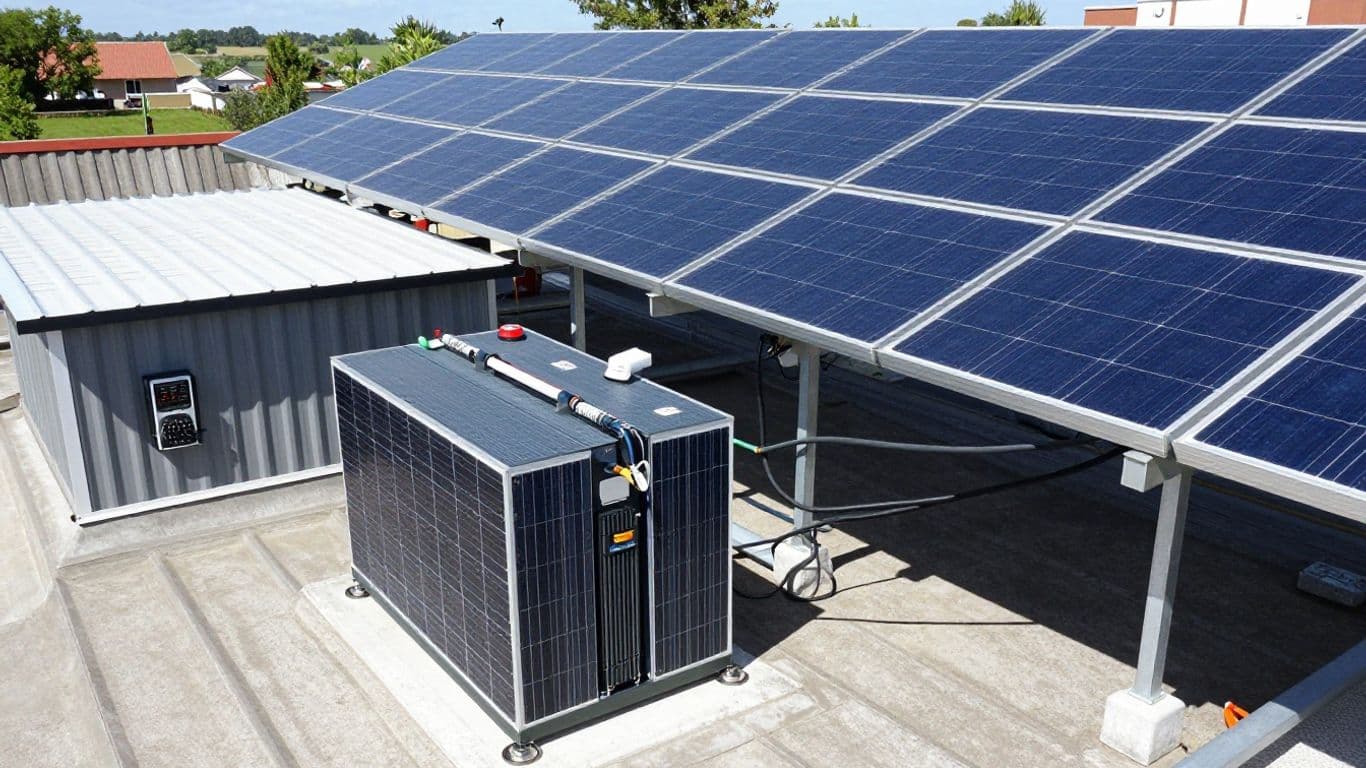
Deciding to go off-grid is a big step for any homeowner. Whether you are avoiding a costly grid connection or simply want total independence, the process requires more than just buying the right gear. Success comes down to careful planning, matching your storage to your habits, and managing your electricity output wisely.
Understanding your energy autonomy
When you leave the safety net of the utility grid, you have to think differently about power. It is not just about the solar panels; it is about how many days you can go without sunlight. Industry professionals often refer to this as "days of autonomy."
Key takeaways
- Design your battery bank to support at least three days of your electricity usage to handle cloud cover.
- Use secondary fuel sources like propane for heavy heating tasks, such as water heating or kitchen appliances, to save your battery reserves.
- Inverter capacity should be chosen based on your peak load surges, not just the background continuous draw.
- Positioning your solar panels requires a look at both summer and winter sun paths to avoid shading issues year-round.
Comparing system performance
When looking at systems like the EG4 12000XP, you are looking for a balance of power and flexibility. Below is a breakdown of how key components perform in an off-grid environment.
| Component | Capacity | Continuous Power | Warranty | Focus |
|---|---|---|---|---|
| EG4 12000XP Inverter | 12 kW | 12,000 W | 10-Year | Off-grid reliability |
| 14.3 kWh Battery | 14.3 kWh | 200 A discharge | 10-Year | Scalable storage |
| Portable Generator | Varies | 5,000–8,000 W | Varies | Emergency charging |
The reality of load management
Efficiency is the secret to a happy off-grid experience. If you try to run everything electric—like big heating elements or high-draw appliances—you will burn through your battery capacity before the sun comes back up.
At Helios Energy Global, we often work with homeowners to identify which loads are essential. We find that the best setups treat electrical energy as a precious resource. You have to adapt your habits: wash your clothes when the sun is brightest, maybe time your water heating for the afternoons, and rely on non-electric backups where it makes sense. It is a bit of a shift, but once you start living that way, you stop worrying about the grid entirely.
Why professional design matters
It is easy to watch a video, see a diagram, and think "I can do this myself." And honestly, some people can. But there are details that only come with experience—like calculating solar path changes during the winter or setting up comms between batteries so they drain evenly. Helios Energy Global believes in transparency, meaning we help you design a system that works for your specific home layout. We make sure the math actually adds up so you don't find yourself in the dark on a rainy Tuesday.
What this means for CA homeowners under NEM 3.0
The landscape for solar in California has changed. Under NEM 3.0, the value of exporting energy to the grid has dropped significantly. This has shifted the goalpost for everyone. Whether you are living fully off-grid or just staying connected, the focus is now squarely on "self-consumption."
Instead of trying to sell power back to the utilities for pennies, you are now incentivized to use every watt you produce. This makes a robust battery setup, like the ones we design at Helios Energy Global, essential. By storing what you generate, you avoid buying power during peak price times. It’s no longer about how much solar you can export; it’s about how much of your own consumption you can offset. That is the most responsible way to lower your bill today.
Keep reading
Tesla Model X is Out, But What's the Best 3-Row EV Now?
Tesla has officially thrown in the towel on the Model S and X, but if you're still in the market for a three-row electric vehicle, don't worry. There are plenty of great alternatives out there. As someone who's driven a lot of them, I'm here to break down what's available now that the original Model X is leaving the scene. Key Takeaways * Tesla Model X: Still available until June 2026, offers luxury and Tesla's FSD, but the third row is tight for adults and the model is being discontinued, r
ReadCan Tesla's Full Self-Driving Convince My Mom After a Near-Fatal Accident?
It's a scary thought: over a million people die in car accidents each year. My own mom was almost one of them. She actually fell asleep at the wheel, which wrecked her car's suspension, blew out a tire, and could have been so much worse. That's why I think cars like Teslas are important. But here's the thing, she doesn't really trust the idea of full self-driving. So, today, we're doing something a little wild. We're putting her in the driver's seat of a Tesla, using the latest version of Full S
ReadSolar Energy: How to Make Smart Choices for Your Southern California Home
Navigating the world of solar energy can feel like a full-time job. With changing regulations and new technology hitting the market, it is easy to get overwhelmed. At Helios Energy Global, we believe in stripping away the confusion so you can feel confident about the power system you choose for your home. Lessons from the solar industry trenches I have spent years in this industry, and I have seen it all. I once operated a full-service contracting firm, and let me tell you, things did not alw
ReadReady to design your system?
Free quote, transparent pricing, owner-reviewed design.