Tesla home charging
Tesla Wall Connector installation, done by Tesla-certified hands

Helios is a Tesla Certified Installer — the same crews that install Powerwall and solar install Wall Connectors across Southern California. Load calculation first, city permit included, and the circuit sized to what your panel can actually deliver.
The Wall Connector is Tesla's hardwired Level 2 home charger: up to 48 amps of output, which on a 60A circuit adds roughly 44 miles of range per hour of charging. In practice that means any Tesla recharges fully overnight, every night, and you stop thinking about Superchargers except on road trips. The unit is the easy part — check Tesla's current hardware pricing for that. The part that matters is the circuit behind it: correctly sized breaker, clean conduit, a permit with your city, and a load calculation confirming your panel can carry it. That's our job.
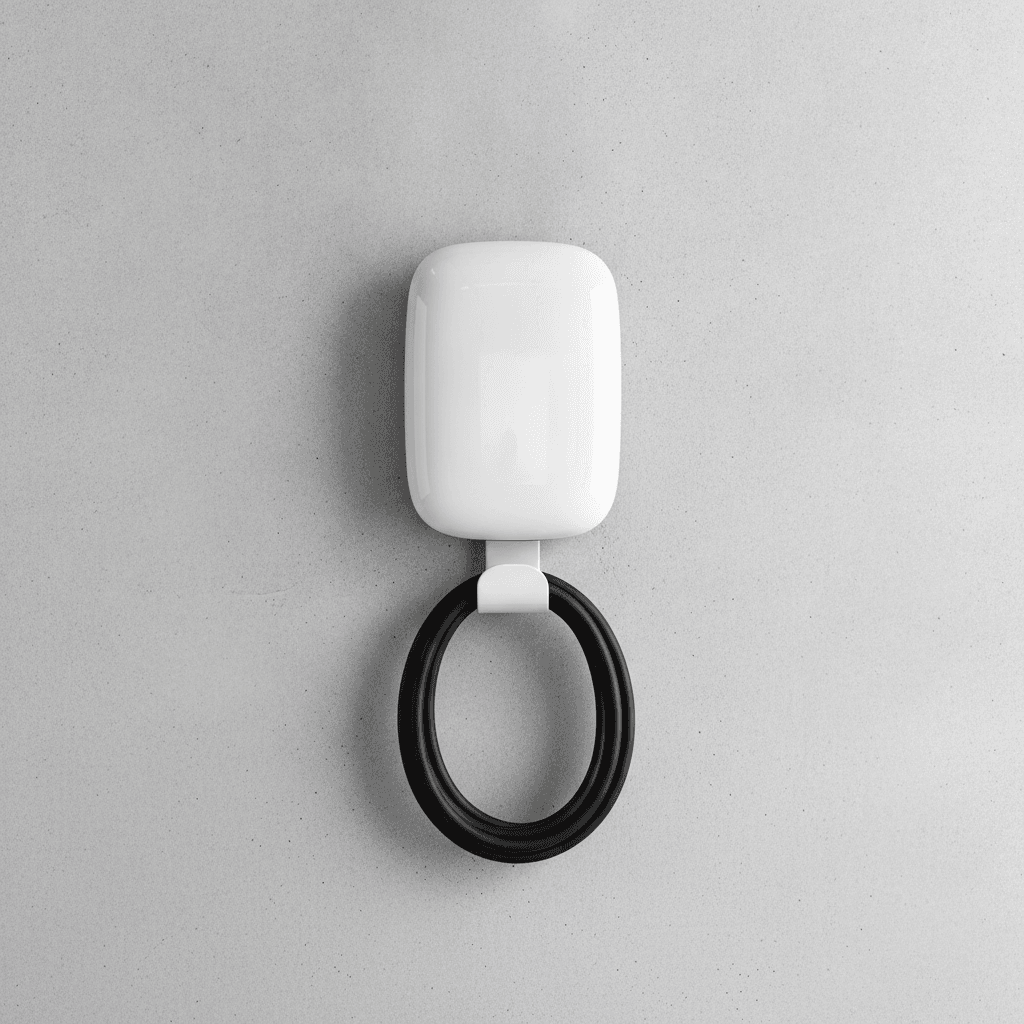
What a Wall Connector install requires.
A 60A circuit, ideally
The Wall Connector charges fastest on a 60A breaker delivering its full 48A output. It also runs happily on smaller circuits — installation configures the output to match whatever your panel can safely host.
A load calculation, always
Before we quote, we calculate whether your panel has the headroom. Many older SoCal homes on 100A service don't — and the honest answer is sometimes a lower-amperage setting or load management, not an automatic panel upgrade.
A panel upgrade, sometimes
When the load calc genuinely says your panel is out of room, an upgrade is always called out in the quote — never buried in the install price. See the full cost picture on our EV charger cost page.
A permit, every time
A dedicated 240V circuit is permitted electrical work in every Southern California city. We pull the permit, schedule the inspection, and quote your city's real fee.
Typical installation labor beyond the unit: $600–$1,800 for the straightforward case. The full breakdown — including panel-upgrade and trenching scenarios — lives on our EV charger installation cost page.
Pair it with solar and Powerwall.
Under NEM 3.0, solar you export earns pennies and solar you use is worth full retail — so charging the car from your own roof is one of the highest-value things a SoCal system can do. Add a Powerwall and stored midday production covers evening charging too, all inside one Tesla app. We install all three, often in a single project.
Licensed, permitted, inspected.
Every Wall Connector we install goes in under our C-10 electrical license (CSLB License #982201 (C-10 Electrical)), with your city's permit pulled, the inspection scheduled, and the fee called out on the quote. If you're comparing chargers first, start with our EV charger installation overview — we install universal units too.
Wall Connector questions, answered.
- How much does Tesla Wall Connector installation cost?
- Installation labor, materials, and permit typically run $600–$1,800 beyond the unit itself when your panel has spare capacity and the run from panel to charger is short. Long conduit runs, detached garages, or a needed panel upgrade push higher — check Tesla's current hardware pricing for the unit, and see our EV charger installation cost page for the full cost breakdown.
- How fast does a Tesla Wall Connector charge?
- On a 60A circuit delivering its full 48A output, the Wall Connector adds up to roughly 44 miles of range per hour of charging, depending on the vehicle. That's a full overnight recharge for essentially any Tesla, every night. On smaller circuits it charges proportionally slower — still comfortably overnight for most driving.
- Do I need an electrician to install a Tesla Wall Connector?
- Yes. The Wall Connector is hardwired to a dedicated 240V circuit — there's no plug-in option — and that's licensed, permitted electrical work in every SoCal jurisdiction. Helios is a C-10 licensed electrical contractor (CSLB #982201) and a Tesla Certified Installer; the same crews that install Powerwall install Wall Connectors.
- Can I charge my Tesla from solar with a Wall Connector?
- Yes — and under NEM 3.0 it's one of the smartest uses of a solar system. Exported solar earns very little, so pointing midday production at your car captures close to full retail value instead. Paired with a Powerwall, you can also shift stored solar into evening charging. We design for this routinely; the calculator on our design-savings page models it.
- Do you install the Wall Connector at the same time as a Powerwall or solar?
- Whenever possible, yes — one permit scope, one mobilization, one inspection. Adding the Wall Connector circuit while the crew is already in your panel for a Powerwall or solar install is meaningfully cheaper than a separate visit later. It also installs perfectly fine on its own.
Charge at home. Installed by certified crews.
Load check, permit, and a clear flat quote — with the solar charging math shown alongside if you want it.