We've been Doing Solar All Wrong - This Is the Way
California has completed a different kind of solar project: panels built over an irrigation canal in the Central Valley. The system produces electricity, reduces water lost to evaporation, and avoids taking farmland out of production. It may not change the way most homeowners install solar today, but it points to a larger shift in how California thinks about clean energy and land use. Key takeaways * Canal solar can produce power without using farmland or new open space. * California’s cana
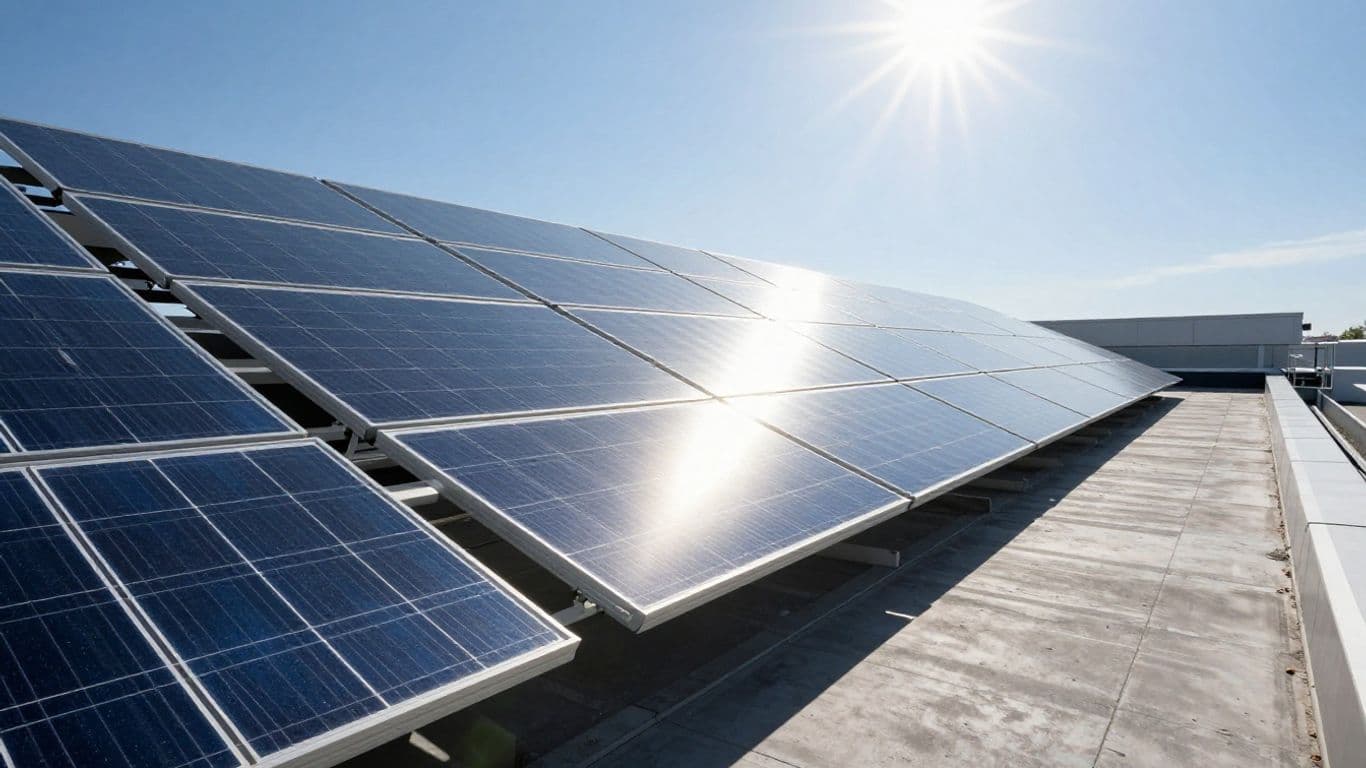
California has completed a different kind of solar project: panels built over an irrigation canal in the Central Valley. The system produces electricity, reduces water lost to evaporation, and avoids taking farmland out of production. It may not change the way most homeowners install solar today, but it points to a larger shift in how California thinks about clean energy and land use.
Key takeaways
- Canal solar can produce power without using farmland or new open space.
- California’s canal network could save billions of gallons of water if covered with solar panels.
- The technology costs more than a typical ground-mounted solar farm.
- The biggest challenge is not just construction. It is getting water districts and utilities to share the costs and benefits.
- For homeowners, the practical lesson is simple: solar works best when the system is designed around the property, energy use, and battery storage—not just panel count.
Why solar is running into a land problem
Solar power has grown quickly because panels are far less expensive than they were decades ago. Batteries have also improved, making it easier to use solar energy after sunset.
But large solar projects need space. That is a serious issue in California’s Central Valley, where much of the land is already being used for farming. The region produces a large share of the country’s fruits, vegetables, and nuts. Covering productive farmland with solar panels creates an obvious conflict.
That led to a practical question: What if solar could be built over land that already has another purpose?
Irrigation canals became one answer. California has roughly 4,000 miles of exposed canals, many of which already have access to power lines and other infrastructure.
The promise of solar over canals
Putting solar panels over canals offers several benefits at the same time:
- Electricity production: A statewide canal-covering project could provide an estimated 13 gigawatts of clean power.
- Water savings: Shade can reduce evaporation significantly. Across the full canal network, the potential savings could reach 63 billion gallons each year.
- Lower maintenance: Less sunlight may reduce algae and aquatic weed growth, which can lower cleanup costs.
- Cleaner air: Solar power could replace some diesel-powered irrigation pumps.
- Better panel performance: Panels over water may stay cooler than panels sitting over hot ground, helping them produce more electricity.
This is the kind of idea that sounds almost too good to be true. It produces energy, protects water, and avoids paving over farmland. Still, the details matter.
What Project Nexus is testing
Project Nexus, built in California’s Turlock Irrigation District, is a major test of the concept. The pilot includes both a narrower canal installation and a wider structure. Together, the systems produce about 1.6 megawatts of electricity and include a long-duration battery.
Researchers are tracking more than the power output. They are also measuring:
- How much water remains in the canal
- Algae and weed growth
- Panel temperatures
- Maintenance needs
- How the structures affect canal operations
That last point is important. Canal operators still need to remove silt, clear vegetation, and repair the canal. Panels placed too close to the water may save more evaporation, but they can also make maintenance harder.
A retractable or movable design could help. The goal is to protect the canal while still allowing workers to reach it when needed.
The catch: canal solar costs more
Canal solar is not a simple replacement for a regular solar farm. The structures must span the canal, handle wind, and work around different widths and layouts. Wiring may also need to travel farther, and construction over moving water adds safety and labor costs.
| Solar project type | Typical construction cost mentioned in the video |
|---|---|
| Standard utility-scale solar | About $0.95–$1.23 per watt |
| Canal-top solar | About $1.90–$2.46 per watt |
The project can make more sense when water savings, reduced maintenance, cleaner air, and improved panel performance are counted together. But there is a basic business problem: the water district receives the water benefit, while a utility may receive the electricity revenue.
Turlock is unusual because it controls both its canals and its electric utility. That makes it easier to approve one project and share the results. Other districts may not have the same alignment.
What this means for Southern California homeowners
Most homeowners will not be installing panels over a canal. The useful lesson is the approach behind the project: use existing space wisely, measure the full value, and design around real-world needs.
For a home, that means looking beyond the lowest solar quote. A good system should consider:
- Your roof layout and appearance
- Shade and available panel space
- Your daytime and evening electricity use
- Backup power needs
- Battery sizing
- Utility rules and future rate changes
At Helios Energy Global, we take a similar custom-design approach for Southern California homes. The objective is not to cover every possible roof area. It is to build a system that fits the home, looks intentional, and gives the homeowner a clear understanding of what they are paying for.
That transparency matters even more as California’s energy rules change.
Why batteries matter under NEM 3.0
California’s NEM 3.0 rules generally provide less value for sending excess midday solar back to the grid than earlier net-metering programs did. In plain terms, producing solar power is only part of the plan. Using more of it at home is now much more important.
A battery can store afternoon solar and use it during the evening, when household demand is often higher and grid electricity may cost more. It can also provide backup power during an outage, depending on the system design.
Canal solar may help California add clean energy without sacrificing farmland. For homeowners, the same principle applies on a smaller scale: make the most of the space and energy you already have. With NEM 3.0, a well-designed solar-and-battery system can often make more practical sense than solar panels alone. The right answer depends on the home, the utility rate, and the household’s actual energy habits.
Keep reading
2026 Solar Buyer’s Guide: What the Pros Wish You Knew Before Choosing a System
The solar industry is looking different in 2026—new rules, fresh technology, and much stronger opinions about how solar should be financed and installed. If you’re a homeowner in Southern California, figuring out which system or company to trust can feel overwhelming. This guide unpacks how top solar CEOs see the landscape today, explores how products get chosen, and explains what all these changes mean for regular people trying to make smart energy decisions. Key Takeaways * Standardized, r
ReadLunar AI: The Smartest Home Battery System That Saves You Money
This video dives into the Lunar AI system, a home battery solution designed to maximize savings for homeowners. It explains how the system uses smart software to optimize energy usage, storage, and export, potentially paying for itself faster than other options on the market. How Lunar AI Works The Lunar AI system is all about making your home's energy hardware, like solar panels and battery storage, work harder for you. The main goal is to get the best possible return on your investment. Lun
ReadA smarter path to solar: Why homeowners are changing their strategy
The landscape of residential solar has shifted significantly over the last few years. What was once defined by aggressive door-to-door sales and complex, opaque financing is slowly being replaced by a more grounded, educated approach. For Southern California homeowners, navigating this change requires looking past the shiny sales pitches and focusing on long-term reliability and energy autonomy. ### Key takeaways * Transparency matters: Avoid systems bundled with hidden dealer fees that inflat
ReadReady to design your system?
Free quote, transparent pricing, owner-reviewed design.