2026 Solar Buyer’s Guide: What the Pros Wish You Knew Before Choosing a System
The solar industry is looking different in 2026—new rules, fresh technology, and much stronger opinions about how solar should be financed and installed. If you’re a homeowner in Southern California, figuring out which system or company to trust can feel overwhelming. This guide unpacks how top solar CEOs see the landscape today, explores how products get chosen, and explains what all these changes mean for regular people trying to make smart energy decisions. Key Takeaways * Standardized, r
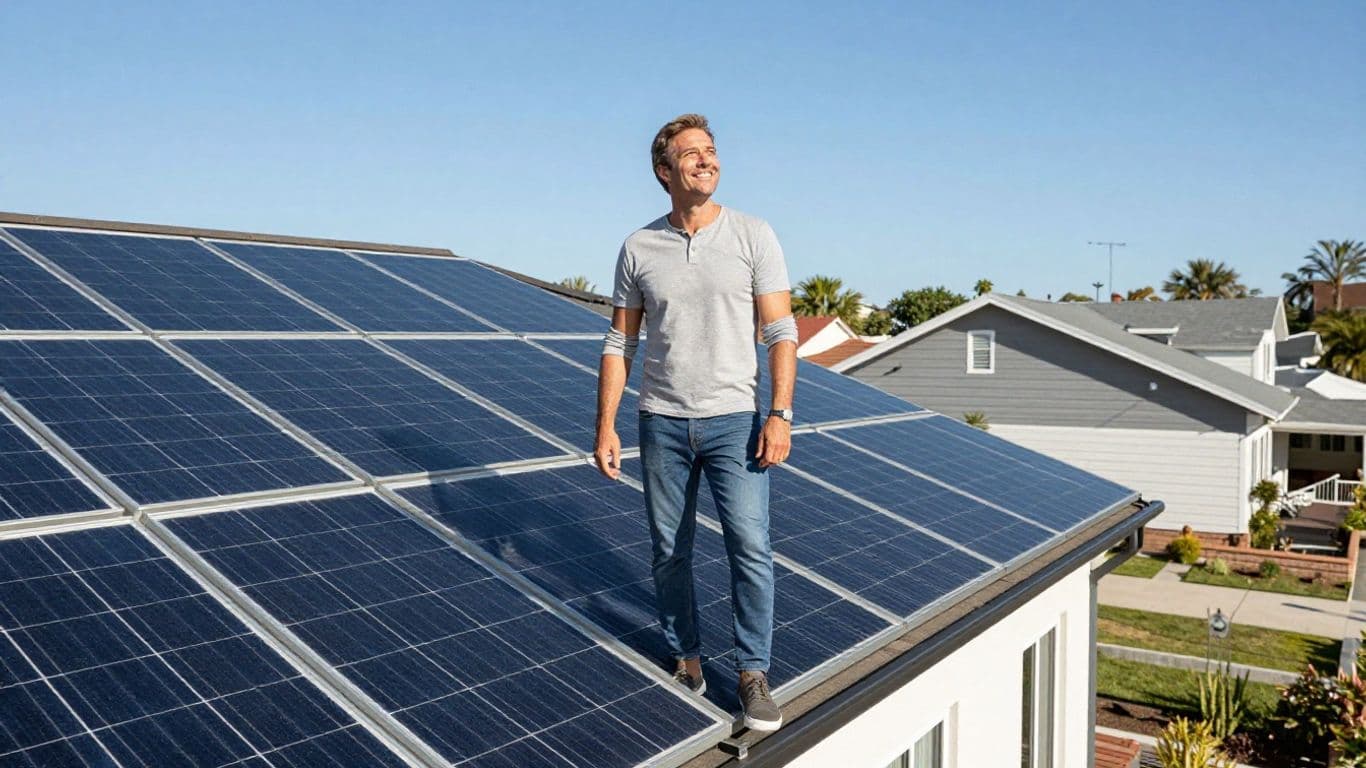
The solar industry is looking different in 2026—new rules, fresh technology, and much stronger opinions about how solar should be financed and installed. If you’re a homeowner in Southern California, figuring out which system or company to trust can feel overwhelming. This guide unpacks how top solar CEOs see the landscape today, explores how products get chosen, and explains what all these changes mean for regular people trying to make smart energy decisions.
Key Takeaways
- Standardized, repeatable processes make for long-lasting solar companies
- Branding matters: Consistency builds trust, even in tough markets
- Streamlining product options simplifies installs and reduces errors
- TPO (third-party ownership, i.e., leases) is more common, but it’s not always a win for every homeowner
- Dealer markups and hidden fees have been outed—the best solar companies are transparent
- There’s no “one-size-fits-all” answer: location, incentives, and ownership goals all shape what’s best
Processes, People, and Why They Matter More Than Gadgets
The biggest value in a solar company isn’t panels or batteries—it’s how well the team works. The most successful businesses focus on setting up clear rules and repeatable steps for everything: from how new equipment is tested, to how problems with installations are fixed, to how teams respond to unhappy customers (it happens to everyone, unfortunately).
Want a peek at how high-achieving companies do it?
- Ideas come from everywhere. Staff can suggest new products, but there’s a process: a team votes on which are worth studying, then each department gathers practical info (operations, marketing, sales, etc.).
- Standardize, then personalize. Companies that succeed don’t offer every battery under the sun—they pick two or three solid performers, get really good at installing them, and only switch if there’s a clear advantage (faster installs, much better warranty, etc.).
- Escalation plans. Legit angry customer or just confusion? Strong teams have a clear path for fixing issues, with as much handled at the project manager level as possible—not everything going to the boss.
Should You Lease Solar in 2026? The Tricky TPO Question
With the end of the federal solar tax credit for individuals, big solar leasing (TPO—third-party ownership) has become much more common. Sounds simple: you get solar for a fixed monthly price, and another company owns the system. Sometimes they pass on their tax savings, sometimes not.
Pros of TPO / Lease:
- Lower up-front costs
- Predictable monthly payments
Cons:
- You don’t own the system (can’t always add batteries or EV upgrades later)
- Some leasing companies went bankrupt, leaving customers with questions
- Installers sometimes had trouble getting paid (as a homeowner, this can mean installation delays)
- Less flexibility in service or upgrades
Who should consider owning?
- Homeowners planning to stay put for years
- Those wanting control (more batteries, EVs, etc.)
- Anyone wary of long-term contracts or changing hands when selling a house
Choosing Your Equipment: Why Fewer Choices Are Usually Better
The market is flooded with panels and batteries in 2026, each promising something slightly different. Pros recommend:
- Pick a short list. Ensure the installer only offers trusted brands for panels, inverters, and batteries. Too many options = too much risk for errors or slow installs
- Compare specs, not just sales pitches. Let’s look at how a few common batteries stack up (example values):
| Battery Brand | Capacity (kWh) | Max Output (kW) | Warranty (years) | Est. $/kWh Installed |
|---|---|---|---|---|
| Tesla Powerwall | 13.5 | 5 | 10 | $950 |
| Enphase IQ 5P | 5 | 3.8 | 15 | $1,000 |
| Franklin WH | 13.6 | 5 | 12 | $900 |
| LG Resu Prime | 16 | 7 | 10 | $1,100 |
Note: Prices and specs fluctuate. This is just to show what to look for.
What matters most:
- Warranty: Decade-long or better is now standard
- Installed cost per kWh: Don’t get tripped up by low upfront cost—look at value over the long term
- Installer experience: A company that’s done 100+ installs with a specific battery will have fewer hiccups
Sales Tactics, Dealer Fees, and Why Homeowners Need to Check the Math
In the past, confusing loan structures and big commissions led to high solar prices. Many companies padded costs with so-called “dealer fees”—sometimes as much as 40 or 50% of the total! Federal incentives hiding the true cost are now going away, forcing everyone to compete on real value.
Here’s what to look for:
- Transparent line-item quotes (no hidden upcharges “packaged” into your monthly loan)
- Clear, honest description of what each fee covers
- Sensible sales commissions (5% is reasonable; 20% is a red flag)
Comparing Markets: Is Southern California Still the Place for Solar?
Southern California remains one of the best places for solar—plenty of sun, high electricity rates, and local incentives (where available). But rules change, and every year the economics of solar shift. Europe and Australia pay much more for electricity, but their up-front costs are often lower due to less red tape and fewer markups. Here, costs are higher, but so are incentives in some spots.
Before you sign:
- Ask for all available incentives
- Compare $/kWh for solar vs. your utility rate
- Consider how much sun your specific roof will get
What This Means for California Homeowners Under NEM 3.0
With the new net metering (NEM 3.0) rules, selling excess solar power back to the grid is much less rewarding. Self-consumption—using your solar energy in the home—is king.
So what should you do?
- Size your solar and battery system to cover most of your own usage
- Pick an installer that obviously knows local rules and offers performance guarantees
- Don’t feel pressured by low payments or fast sales spiels; look for honesty and proof of experience
Bottom line:
Success in solar—whether you’re buying or running a company—comes down to repeatable processes, trusted products, and treating people right. As a homeowner under NEM 3.0, self-consumption with the right battery is the surest path to savings. And in 2026, transparency and clarity matter more than ever.
Keep reading
Virtual Power Plants and U.S.-Made Batteries: What California Homeowners Should Know
Home batteries are becoming more than backup equipment. Across California and other regions, connected batteries can work together as a virtual power plant, helping reduce pressure on the grid during hot evenings. At the same time, U.S.-made battery cells and new solar manufacturing plans could shape system pricing, availability, and energy independence in the years ahead. Key takeaways * Virtual power plants combine thousands of home batteries to support the electric grid during peak demand
ReadTesla Powerwall 3 vs. Lunar Energy: A Homeowner’s Guide
Choosing a home battery system can feel like a headache. There are so many options popping up, and it is hard to tell what actually works best for a home in Southern California. I have been looking at two of the biggest names lately: the Tesla Powerwall 3 and the newcomer, the Lunar Energy system. At Helios Energy Global, we focus on custom designs that actually fit the look of your house, and we figured it was time to break these two down so you can make a choice that makes sense for your famil
ReadTesla's Camera Cleaning Patent & Solar Power Surging
Tesla has filed a new patent for a lens cleaning system, potentially solving a long-standing issue for autonomous driving systems. This system, inspired by human eyelids, aims to keep the car's cameras clear of rain, snow, and dirt, which can hinder visibility. The patent suggests it could be retrofitted to existing vehicles, and might even be applicable to Optimus robots. Key Takeaways * Camera Clarity: A new patent aims to keep Tesla's cameras clean, improving autonomous driving reliabilit
ReadReady to design your system?
Free quote, transparent pricing, owner-reviewed design.