Unlocking energy freedom: The V2X bidirectional charging revolution
The landscape of home energy is changing fast. We have moved from simple solar panels to complex home microgrids, and the latest leap is bidirectional charging—often called V2X (Vehicle-to-Everything). This technology transforms your electric vehicle from a simple transportation machine into a powerful, mobile home battery capable of powering your life during grid outages. Key takeaways * Total integration: Bidirectional charging allows you to pull power from your home battery, solar array,
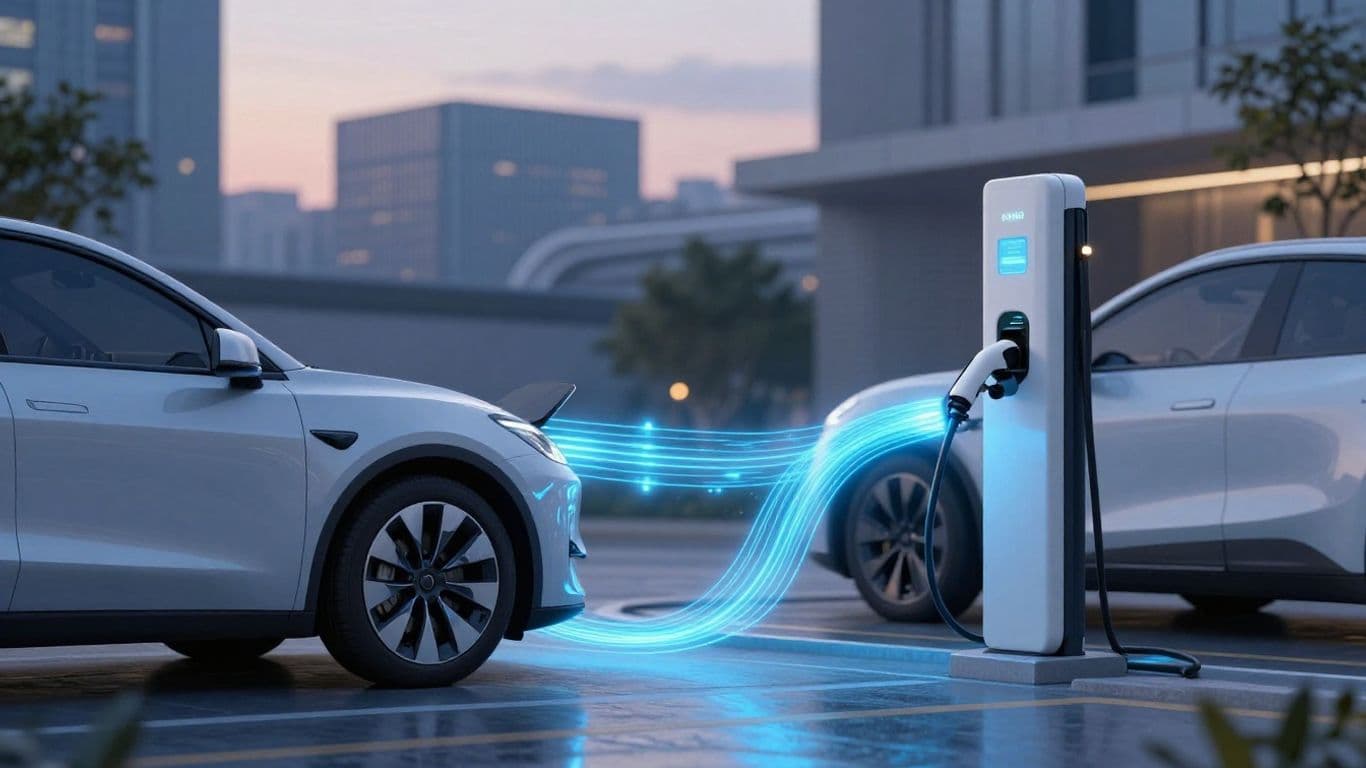
The landscape of home energy is changing fast. We have moved from simple solar panels to complex home microgrids, and the latest leap is bidirectional charging—often called V2X (Vehicle-to-Everything). This technology transforms your electric vehicle from a simple transportation machine into a powerful, mobile home battery capable of powering your life during grid outages.
Key takeaways
- Total integration: Bidirectional charging allows you to pull power from your home battery, solar array, or EV battery simultaneously to charge your car faster or support your home.
- Emergency resilience: During grid outages, your EV can act as a massive backup generator, potentially keeping your home running for days.
- Modular design: Systems like the Sigen Store allow you to stack solar, home battery, and EV charging components as your needs grow.
- Grid support: While currently an early-adopter technology, V2X is set to become a vital part of municipal power stability as utilities seek ways to manage high demand.
Rethinking your EV battery
Most homeowners think of their EV as something that just sits in the driveway at night. However, when you realize an EV carries a battery capacity significantly larger than standard home storage units, the potential for residential energy management changes. Modern systems like the Sigen Store utilize a bidirectional DC EV charger, effectively turning your car into a "battery on wheels" that can feed energy back into your home or other devices.
How bidirectional technology works
Unlike traditional AC chargers that only pull power from the grid, a fully integrated V2X system combines multiple energy sources. By using an app-based management system, you can choose from several operating modes to match your specific needs:
- Fast charging: You can combine electricity from the grid, your solar panels, and your stationary home batteries to hit charge rates up to 25kW, ensuring your vehicle is ready to go when you are.
- PV Surplus (Green charging): This mode uses only solar power, making it an ideal, cost-effective way to charge your car during the day without touching your store-bought electricity.
- Bidirectional discharge: This is the game-changer. You can reverse the flow, using your car's stored energy to run your home's appliances or even charge a second vehicle.
Comparison of charging solutions
To understand the value, it helps to compare standard charging setups with a fully integrated bidirectional solution like the Sigen Store:
| Feature | Standard AC Charger | Integrated DC V2X System |
|---|---|---|
| Energy Source | Grid only | Grid, Solar, & Home Battery |
| Backup Capability | None | Yes (Vehicle-to-Home) |
| Charging Speed | Limited by grid capacity | Up to 25kW (Combined sources) |
| Zero-MS Transition | No | Yes (Seamless backup) |
Note: $/kWh costs vary based on your specific utility rate plan and system configuration. Helios Energy Global recommends a custom design audit to calculate specific ROI.
What this means for CA homeowners under NEM 3.0
Under NEM 3.0, the value of exporting solar power to the grid has shifted, placing a premium on self-consumption. Bidirectional charging is perfectly suited for this new reality. By storing your excess mid-day solar in your EV, you avoid exporting it for low credit and can instead use that stored energy to power your home during the high-cost evening peak hours.
This maximizes the utility of every kilowatt you generate, effectively insulating your household budget against peak rate fluctuations. It is about keeping control within your four walls, rather than relying solely on the grid. While the technology is still in its early stages of official EV manufacturer support, the resilience and economic potential it offers are becoming impossible to ignore.
Keep reading
California Homeowners: Is Your Solar System Ready for the Future?
This video discusses recent developments in AI law, Tesla's Full Self-Driving technology, Waymo's expansion, and SpaceX's Artemis missions. For California homeowners, the key takeaways revolve around the increasing integration of smart technology in homes and vehicles, and how these advancements might influence future energy decisions and the adoption of solar power. Key Takeaways * Smart Home Technology: Innovations like automated window shades (SmartWings) highlight the growing trend of sm
ReadPreparing Your California Home for Extreme Weather Patterns
As weather patterns shift, homeowners in Southern California are seeing how quickly environmental changes can impact daily life. While large-scale climate events might feel distant, the reality is that changing conditions are increasingly hitting closer to home, affecting everything from energy stability to property vulnerability. Taking proactive steps now ensures your household remains resilient regardless of what the coming season delivers. Key takeaways * El Niño events reshape global we
ReadWhy Home Energy Storage is More Important Than Ever for Californians
It feels like energy reports change every single week lately. Between the grid strain in Southern California and the constant chatter about battery tech, it is getting hard to keep up. I think most of us just want a system that works, saves us some money, and actually looks nice on our roofs. Key takeaways * Large-scale battery production is hitting its stride, which helps keep the grid stable for everyone. * Smarter technology is making residential energy systems more efficient, not just t
ReadReady to design your system?
Free quote, transparent pricing, owner-reviewed design.