Tesla's Bold Move: Aiming to Be America's Top Solar Panel Maker
Tesla has announced ambitious plans to significantly boost its solar panel manufacturing capacity in the United States, aiming to become the country's largest producer by the end of 2028. This move could dramatically reshape the domestic solar market, especially as the industry adapts to new incentives and supply chain considerations. Tesla's Manufacturing Ambitions Currently, the U.S. has about 65 megawatts of solar panel manufacturing capacity. Tesla's goal is to add an additional 100 gigaw
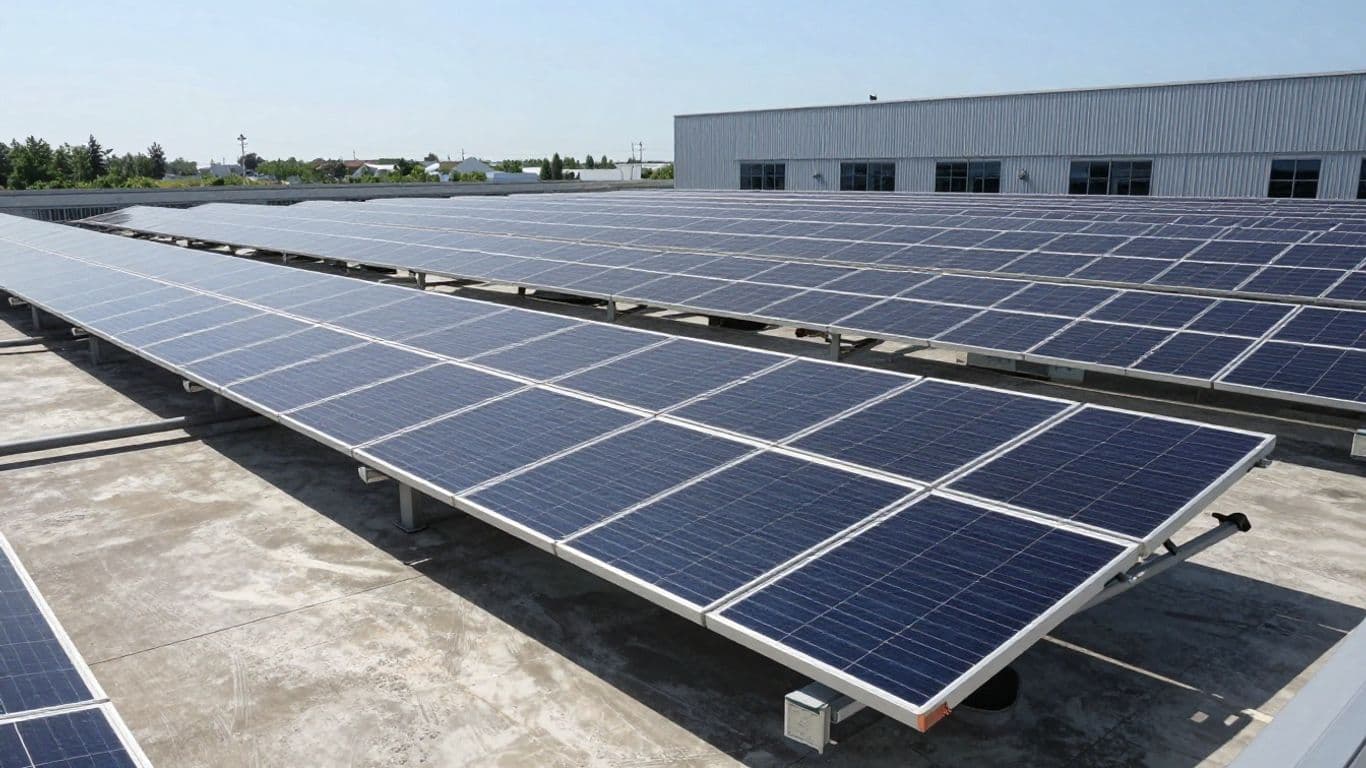
Tesla has announced ambitious plans to significantly boost its solar panel manufacturing capacity in the United States, aiming to become the country's largest producer by the end of 2028. This move could dramatically reshape the domestic solar market, especially as the industry adapts to new incentives and supply chain considerations.
Tesla's Manufacturing Ambitions
Currently, the U.S. has about 65 megawatts of solar panel manufacturing capacity. Tesla's goal is to add an additional 100 gigawatts, a massive increase that would position them as the leading manufacturer. This expansion is planned to happen rapidly, within less than three years from now (February 2026).
The Competitive Landscape
As of now, Q Cells holds the top market share for solar panels manufactured and sold in the U.S. The company has been investing heavily in domestic production, including a new facility in Georgia designed to handle the entire manufacturing process from raw materials to finished panels. Tesla's recent introduction of its own "Made in USA" solar modules, the TSP 415 and TSP 420, produced at their Gigafactory in Buffalo, New York, signals a stronger commitment to their energy division.
Why the Shift to Domestic Manufacturing?
A key driver for bringing solar manufacturing back to the U.S. is the expiration of the 30% federal solar tax credit for individuals at the end of 2025. Previously, homeowners could use components from anywhere and still claim the credit. Now, to maximize financial benefits, homeowners often look towards third-party ownership (TPO) structures, like leases or power purchase agreements.
These TPO companies can often monetize the tax credits themselves, potentially passing savings to customers through lower monthly payments. However, these agreements frequently come with a requirement for "domestic content" equipment, meaning products made in the USA. This is a significant reason why companies like Tesla and others are investing in U.S.-based manufacturing facilities.
Key Takeaways
- Tesla's Goal: To become the largest solar panel manufacturer in the U.S. by 2028 with 100 GW of new capacity.
- Current Leader: Q Cells currently leads in U.S.-made solar panel market share.
- Incentive Driven: The shift is partly due to changes in federal tax credits, favoring domestic content for TPO financing.
- Tesla's Product: Tesla is now producing its own "Made in USA" solar modules.
What This Means for California Homeowners Under NEM 3.0
For homeowners in California, especially those navigating the complexities of NEM 3.0 (Net Energy Metering 3.0), the rise of domestic solar manufacturing could have implications. NEM 3.0 significantly reduces the export credit for solar energy sent back to the grid, making self-consumption of solar power more important than ever. Investing in solar and battery storage systems that maximize your own energy use is key. While Tesla's manufacturing expansion is a national story, it reflects a broader trend towards localized production.
For homeowners considering solar, understanding the origin of components and how they align with financing options and incentive structures, like those that may favor domestic content, is becoming increasingly relevant. Ensuring your system is designed for maximum self-consumption under NEM 3.0 remains the primary goal for homeowners looking to get the most value from their solar investment.
Keep reading
Solar Desalination: A Game-Changer for Water and Power?
Imagine a world where we could turn seawater into fresh, drinkable water with zero waste, and in the process, generate clean electricity 24/7. An Australian startup, Soul Diesel, claims they've developed a technology that does just that. This innovative approach tackles the biggest hurdle in desalination: what to do with the leftover salty brine. Key Takeaways * Zero Waste Process: Converts seawater into fresh water and electricity, with the leftover brine crystallized into salt, eliminating
ReadTesla Solar Roof’s Setback: What California Homeowners Should Know Before Going Solar
Tesla’s reported decision to stop offering its Solar Roof through certified installers highlights a practical lesson for homeowners: the most futuristic-looking solar option is not always the best investment. For Southern California homes, standard solar panels paired with a well-designed battery system may offer better value, easier service, and more predictable results. Key takeaways * Tesla appears to be shifting its focus from solar roof tiles back to traditional solar panels. * Solar p
ReadWhy the Future of Home Energy Storage Isn't Just Lithium
The way we power our homes is undergoing a quiet but massive shift. While most people have heard of lithium-ion batteries, a new contender—sodium-ion—is emerging from the laboratory and onto the grid. For homeowners in Southern California, this transition suggests a more stable, affordable future for residential energy storage. Key takeaways for your home energy system * Material abundance: Unlike lithium, which faces supply chain volatility, sodium is incredibly common and inexpensive to so
ReadReady to design your system?
Free quote, transparent pricing, owner-reviewed design.