Tesla Powerwall Off Grid Performance
A Tesla Powerwall can keep a home running when the utility grid goes down, but its off-grid behavior is not quite as simple as “battery only.” The system can use solar and battery power together, yet internet dependence may matter during a longer outage. Here’s what Southern California homeowners should know before buying. Key takeaways * The Powerwall may use solar and battery power in parallel during a grid outage. * Solar can briefly shut off while the system stabilizes, usually for abou
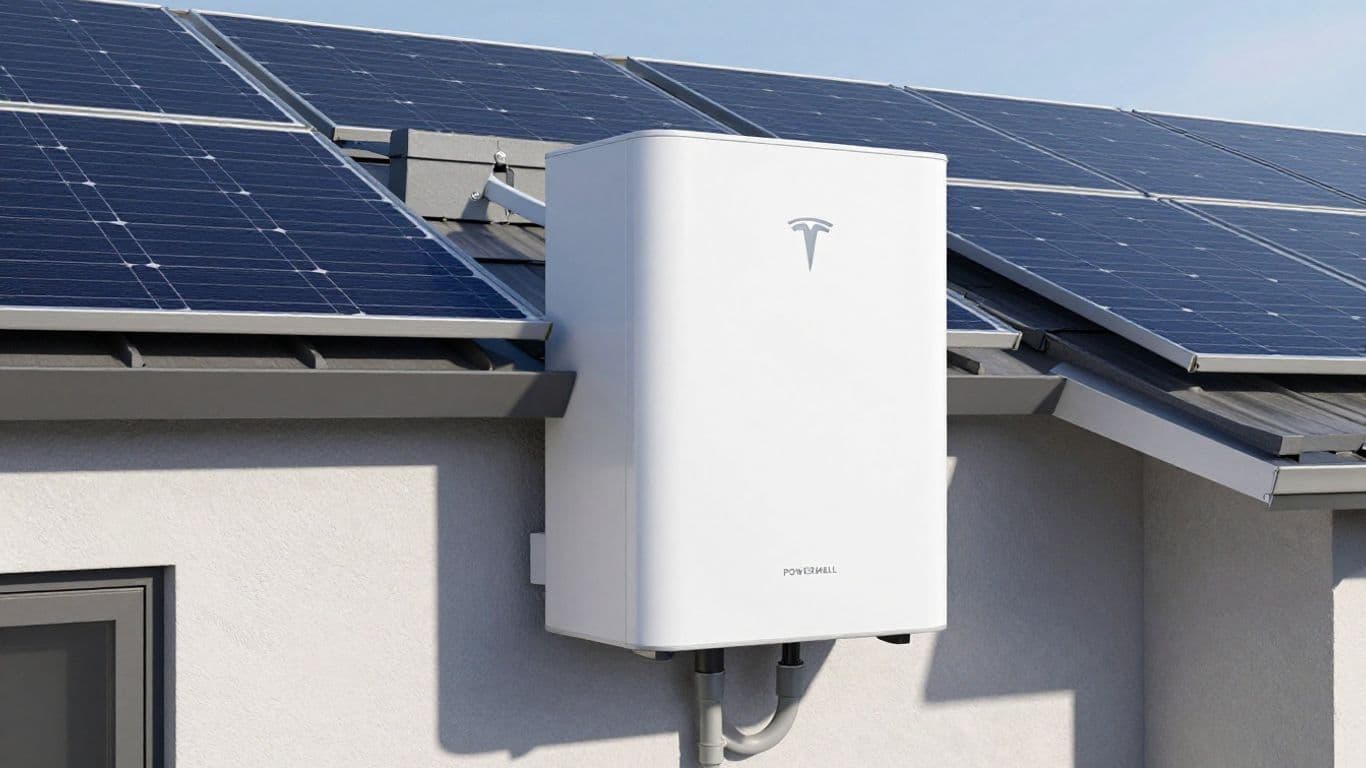
A Tesla Powerwall can keep a home running when the utility grid goes down, but its off-grid behavior is not quite as simple as “battery only.” The system can use solar and battery power together, yet internet dependence may matter during a longer outage. Here’s what Southern California homeowners should know before buying.
Key takeaways
- The Powerwall may use solar and battery power in parallel during a grid outage.
- Solar can briefly shut off while the system stabilizes, usually for about five minutes.
- When solar production exceeds household demand and the battery is full, the system can temporarily shut solar down through frequency shifting.
- Repeated charging and discharging may create extra battery cycling over a long outage.
- The video raises a concern that Powerwall operation may stop after two or three days without an internet connection.
- Buyers should confirm current Tesla requirements, warranty terms, and backup settings before installation.
How the Powerwall responds when the grid fails
When utility power drops, the Powerwall separates the home from the grid and energizes the critical-loads panel. This prevents the home’s electrical system from sending power back toward the utility lines.
The solar system does not necessarily come back on immediately. According to the discussion, solar panels first remain off for roughly five minutes while the Powerwall creates a stable electrical environment. After that period, the solar system can restart and help support the home’s loads while also charging the battery.
That means the battery does not always have to fall to a certain state of charge before solar returns. An earlier explanation suggested that the Powerwall had to discharge to about 60% before solar could operate again. The updated explanation is that solar and battery power can work together during grid-down operation.
What happens when the battery fills up?
A backup battery needs somewhere to send extra solar energy. If the home is using less energy than the solar panels are producing and the Powerwall is already full, the system may signal the solar inverter to shut down temporarily.
This is commonly done through a frequency shift. In simple terms, the Powerwall changes the electrical frequency enough for the solar inverter to recognize that it should stop producing power. Once the battery has room again, solar production can resume.
The result may look like this:
- The grid goes down.
- The Powerwall supports the home and solar briefly shuts off.
- Solar restarts after the system stabilizes.
- Solar helps run the home and recharge the battery.
- Solar shuts off again if the battery is full and household demand is low.
During a short storm outage, this is usually a manageable tradeoff. During a long outage, repeated short cycles could add wear over time. That does not automatically make the system unsuitable, but it is worth discussing when sizing the battery and choosing backup settings.
The internet connection concern
The most important buyer concern raised in the video is internet dependence. The discussion reports that a Powerwall may deactivate after roughly two or three days without an internet connection during an extended grid outage.
This could be a serious issue for homeowners preparing for a long-term emergency. A system might have solar panels, stored energy, and enough fuel-free generation, but still become unavailable if it needs to check in online.
The reason may relate to system monitoring, performance data, approved operating conditions, or warranty protection. However, requirements can change with software updates and product policies. Buyers should get the answer in writing before signing an agreement:
- How long can the Powerwall operate without internet?
- Does the system need Wi-Fi, cellular service, or both?
- What happens if the router is down?
- Can the installer configure a fully independent backup mode?
- Could offline operation affect the warranty?
Helios Energy Global recommends treating this as a design question, not a small technical detail. A transparent installer should explain what the system can and cannot do during a multi-day outage.
Tesla Powerwall and Enphase: what the video does—and does not—compare
The broader review discussed the Tesla Powerwall alongside an Enphase battery. However, the off-grid section did not provide enough product specifications for a fair price or performance comparison.
| Product | Capacity | Power | Warranty | Price per kWh |
|---|---|---|---|---|
| Tesla Powerwall | Not provided in video | Not provided in video | Not provided in video | Not provided in video |
| Enphase battery | Not provided in video | Not provided in video | Not provided in video | Not provided in video |
This is a useful reminder: battery capacity alone does not determine backup quality. A buyer should compare usable capacity, continuous power, surge power, outage controls, internet requirements, warranty coverage, and installed cost.
For a real quote, Helios can help homeowners compare those details based on the loads they actually need to protect. Refrigerators, medical equipment, pumps, air conditioners, and electric cooking appliances all change the design.
Is the Powerwall a good choice for backup?
For a typical short outage, the Powerwall can be a strong option. It can support critical loads, work with solar, and recharge when the sun is available. The system may only experience brief interruptions while solar and battery operation stabilize.
The decision becomes more complicated if your goal is long-term energy independence. In that case, consider:
- Whether the battery can operate without the grid and internet
- How much solar production is available in winter and during poor weather
- Which appliances must run continuously
- Whether the system is designed for the entire home or selected circuits
- How frequent cycling could affect long-term battery performance
- Whether the warranty matches your intended use
Good system design matters as much as the battery brand. Helios focuses on custom layouts, clean installation, clear pricing, and warranties that give homeowners confidence without overpromising what backup power can provide.
What this means for CA homeowners under NEM 3.0
Under California’s NEM 3.0 rules, exporting extra solar power to the grid is generally less valuable than using that energy at home or storing it for later. That makes battery storage especially important for self-consumption.
A Powerwall can help shift daytime solar into the evening, when many homes need more electricity and utility rates may be higher. During an outage, it can also keep selected loads operating while solar replenishes the battery.
But homeowners should not assume that every battery provides the same independence. Ask about internet requirements, outage behavior, battery cycling, and self-consumption settings before choosing a system. The best design is one that fits your daily energy use, your backup priorities, and how much independence you realistically want—not simply the product with the most familiar name.
Keep reading
Choosing Your Home Solar Battery: A 2026 Buyer's Guide
As we head into 2026, the question of which solar battery system is best for your home is more important than ever. These aren't just batteries; they're all-in-one solutions designed for energy independence, reducing your electricity bills, and providing backup power during outages. We're looking at systems that integrate solar and storage, offering a smarter way to manage your home's energy. Key Takeaways * All-in-One Systems: Most modern solar batteries are integrated systems, combining in
ReadThe Surprising Truth About AI and Your Job
Artificial intelligence is changing the way we work, and it's not just about robots taking over. This discussion explores how AI is actually creating new opportunities and how we can prepare for these shifts. It's less about fear and more about understanding the practical impact on different jobs and industries. Key Takeaways * AI is more likely to change jobs than eliminate them. * New roles are emerging that require human skills like creativity and critical thinking. * Learning new skill
ReadHow to Download Your Green Button Data for NEM 3.0 Solar Planning
If you are a California homeowner considering solar, you have likely heard about NEM 3.0. It is a major shift in how utilities credit for solar power, making accurate system design more critical than ever. To build a system that actually saves you money, you need to understand your exact energy usage patterns by downloading your Green Button interval data. Key takeaways for NEM 3.0 * Data is power: Your utility bill is only a summary; your Green Button interval data provides the specific usa
ReadReady to design your system?
Free quote, transparent pricing, owner-reviewed design.