Choosing Your Home Solar Battery: A 2026 Buyer's Guide
As we head into 2026, the question of which solar battery system is best for your home is more important than ever. These aren't just batteries; they're all-in-one solutions designed for energy independence, reducing your electricity bills, and providing backup power during outages. We're looking at systems that integrate solar and storage, offering a smarter way to manage your home's energy. Key Takeaways * All-in-One Systems: Most modern solar batteries are integrated systems, combining in
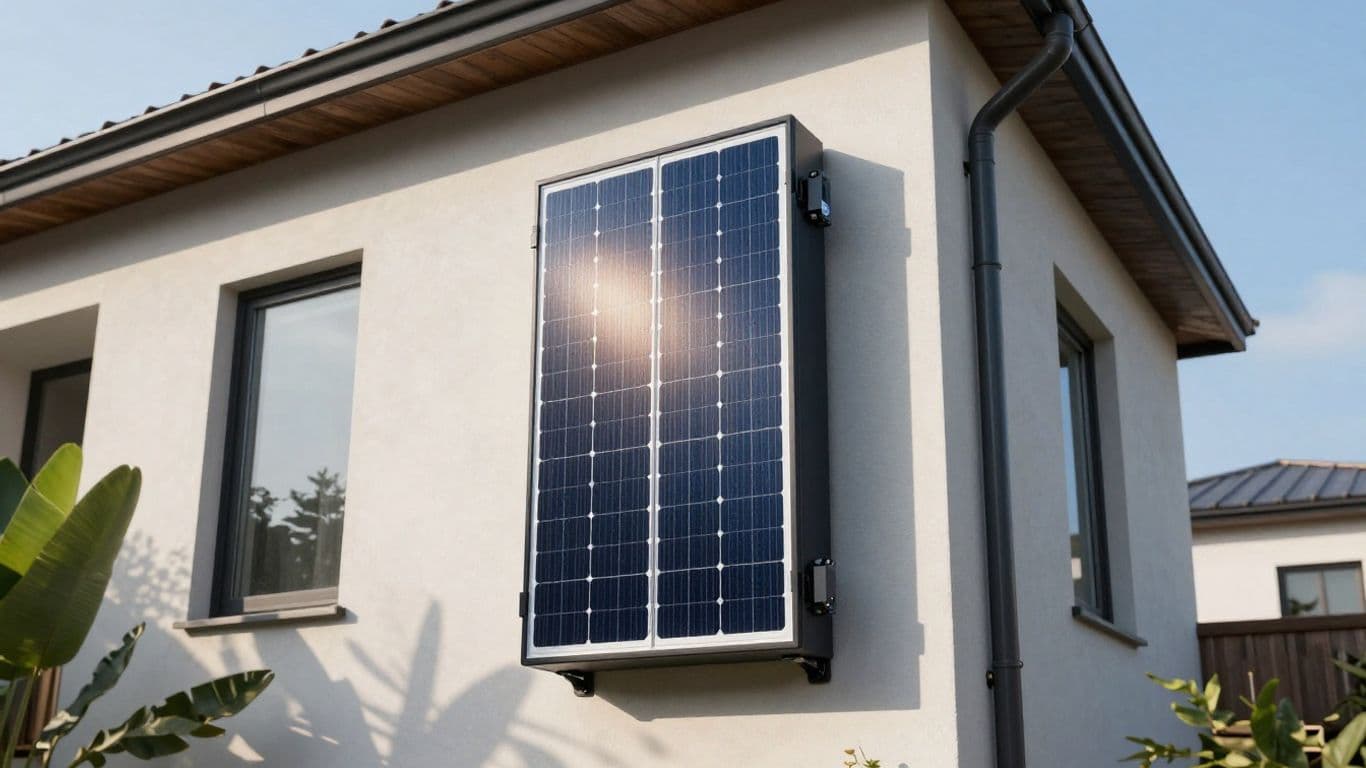
As we head into 2026, the question of which solar battery system is best for your home is more important than ever. These aren't just batteries; they're all-in-one solutions designed for energy independence, reducing your electricity bills, and providing backup power during outages. We're looking at systems that integrate solar and storage, offering a smarter way to manage your home's energy.
Key Takeaways
- All-in-One Systems: Most modern solar batteries are integrated systems, combining inverters, batteries, and management systems for streamlined installation and operation.
- Modular Design: Many systems offer modular, stackable designs, allowing you to scale your storage capacity as needed.
- Installation Efficiency: Features like meter collar adapters and ground-level installations reduce labor and complexity for installers.
- Smart Features: Advanced AI and load control help optimize energy usage, maximize savings, and extend backup runtime.
- EV Integration: Some systems are beginning to integrate with electric vehicles, turning your car into a mobile power source.
FoxESS PowerCube: Value-Focused Modular Storage
The FoxESS PowerCube enters the US market with a focus on value. Its modular, stackable design allows for up to five 4 kWh battery modules per control unit, reaching 20 kWh in a single stack. If you need more, a second control unit can be added. This system is designed for cost-effectiveness, offering a competitive price per kilowatt-hour. The stackable nature means installation can often be done by just two technicians without special equipment, potentially lowering labor costs. It uses a high-voltage DC-coupled architecture, which can improve overall system efficiency.
Enphase IQ Battery 10C: Integrated Enphase Ecosystem
If you're already on the Enphase platform for solar, the IQ Battery 10C is the next step. This isn't a standalone battery; it works within the Enphase ecosystem, including their microinverters and combiner boxes. Each IQ Battery 10C offers 7.1 kW of continuous power and 10 kWh of storage. For whole-home backup, installing two batteries is often recommended, bringing the total to 20 kWh of storage and 14.2 kW of power.
Enphase has simplified installation with the IQ Combiner 6C, which combines the functions of older units, and a meter collar adapter that allows grid interconnection at the meter, avoiding complex internal wiring modifications.
Lunar Energy System: DC-Optimized with AI
Lunar Energy, a US-based company, offers a modular system with 5 kWh storage modules. A typical stack with one controller and four modules provides 20 kWh of capacity, 9.6 kW of continuous power, and 15 kW surge power, useful for starting heavy loads like air conditioners. Lunar's system is DC-power optimized, using a "power maximizer" for module-level performance.
By keeping power in the DC format longer, it aims to reduce conversion losses and improve charging efficiency. A standout feature is Lunar AI, which creates daily energy plans based on your usage habits and weather forecasts to maximize savings and avoid peak rates, potentially saving an extra $200-$300 per year. US-based technical support is another advantage.
Tesla Powerwall 3: All-in-One Convenience
The Tesla Powerwall 3 integrates the solar inverter, battery inverter, battery, and management system into a single appliance. It provides 11.5 kW of continuous backup power and 13.5 kWh of storage. This all-in-one design simplifies installation and improves aesthetics. Like others, it offers a backup switch for meter-based interconnection. You can increase capacity by adding more Powerwall 3 units or opt for DC expansion packs, which add storage without an additional inverter if 11.5 kW of power output is sufficient. A notable limitation is the lack of robust load control or generator support options.
FranklinWH aPower 2: Retrofit-Friendly AC-Coupled Option
The Franklin aPower 2 is designed for whole-home backup, offering 10 kW of continuous power and 15 kW surge power, with 15 kWh of usable storage per battery. Its AC-coupled design makes it a great option for retrofitting existing solar systems from different manufacturers without needing to modify the original solar panel wiring. Installation is typically done at ground level near your main electrical panel.
Franklin also offers a DC-coupled variant, the aPower S, which is an all-in-one solar and battery system but costs about 20% more. The aPower 2 is praised for its high power and storage capacity, along with strong after-install support from US-based teams.
SigenStor by Sigenergy: Feature-Rich and Cost-Competitive
Sigenergy's SigenStor system is a modular, stackable solution that includes an inverter, control unit, and 6 kWh or 9 kWh storage modules. It offers 11.5 kW of continuous power and can scale up to 40 kWh or more in a single stack, depending on local regulations. A key innovation is the integrated bidirectional DC EV charger. This allows your electric vehicle to act as a home battery, enabling you to power your home from your EV or charge your EV using excess solar power.
This feature significantly expands the potential energy storage capacity. The system also includes intelligent load control and offers a generator recharge option for added redundancy. With recent price reductions, it's become very cost-competitive, especially at larger capacities.
What This Means for CA Homeowners Under NEM 3.0
Under California's Net Energy Metering (NEM) 3.0 policy, the economics of solar have shifted. The new rules reduce the export rate for excess solar energy sent back to the grid. This makes self-consumption – using your solar energy directly when it's produced – much more important. Solar batteries are key to maximizing self-consumption. By storing excess solar energy generated during the day and using it during the evening or when the sun isn't shining, you reduce your reliance on grid electricity, especially during peak hours when rates are highest.
This strategy helps offset the lower export credits under NEM 3.0 and makes your solar investment more valuable by allowing you to use more of the energy you generate yourself.
Keep reading
Solar Finance MELTDOWN 2026
Solar financing is facing a rough period. Several third-party ownership and leasing companies have entered bankruptcy or struggled to pay installers on time. This discussion breaks down prepaid leases, traditional loans, escalator-based payments, and the risks homeowners may face when the finance company owns the equipment. For Southern California buyers, the main lesson is simple: compare the full deal, not just the first monthly payment. Key takeaways * Prepaid leases do not always mean im
ReadIs Solar Still Worth It? Your 2026 Guide to Smart Energy Investment
The solar industry has gone through some real turbulence over the last few years, from shifting government policies to the sudden collapse of some major installers. It is natural to feel hesitant about jumping in. But despite these headwinds, installing solar remains an excellent, sensible investment for homeowners as of 2026. Key Takeaways * Rising utility rates make early adoption more profitable than ever. * Electric vehicle (EV) batteries can now serve as your primary home backup, lower
ReadTesla Model Y Gets Interior Upgrades & Free Supercharging For Model 3 Buyers
Tesla is making some interesting moves for its popular electric vehicles. For buyers of the Model 3, there's a limited-time offer for a year of free Supercharging, which could mean significant savings. Meanwhile, the Model Y is receiving some interior enhancements, bringing more premium features to more trims. Key Takeaways * Model 3 Free Supercharging: Purchase a Model 3 by June 15th and get one year of free Supercharging. * Model Y Interior Updates: Rear-wheel drive and all-wheel drive Mo
ReadReady to design your system?
Free quote, transparent pricing, owner-reviewed design.