SolarQuest AI: A Clearer Way for California Homeowners to Plan Solar and Batteries
Solar shopping can feel confusing. Panel models change, battery options keep growing, and California incentives and utility rules do not always stay the same. Homeowners are often left wondering how many panels they need, what a system should cost, and whether a battery makes sense. A free AI tool called SolarQuest AI is designed to make those early questions easier to answer. Key takeaways * Solar equipment and California incentives change often, making early research difficult. * SolarQue
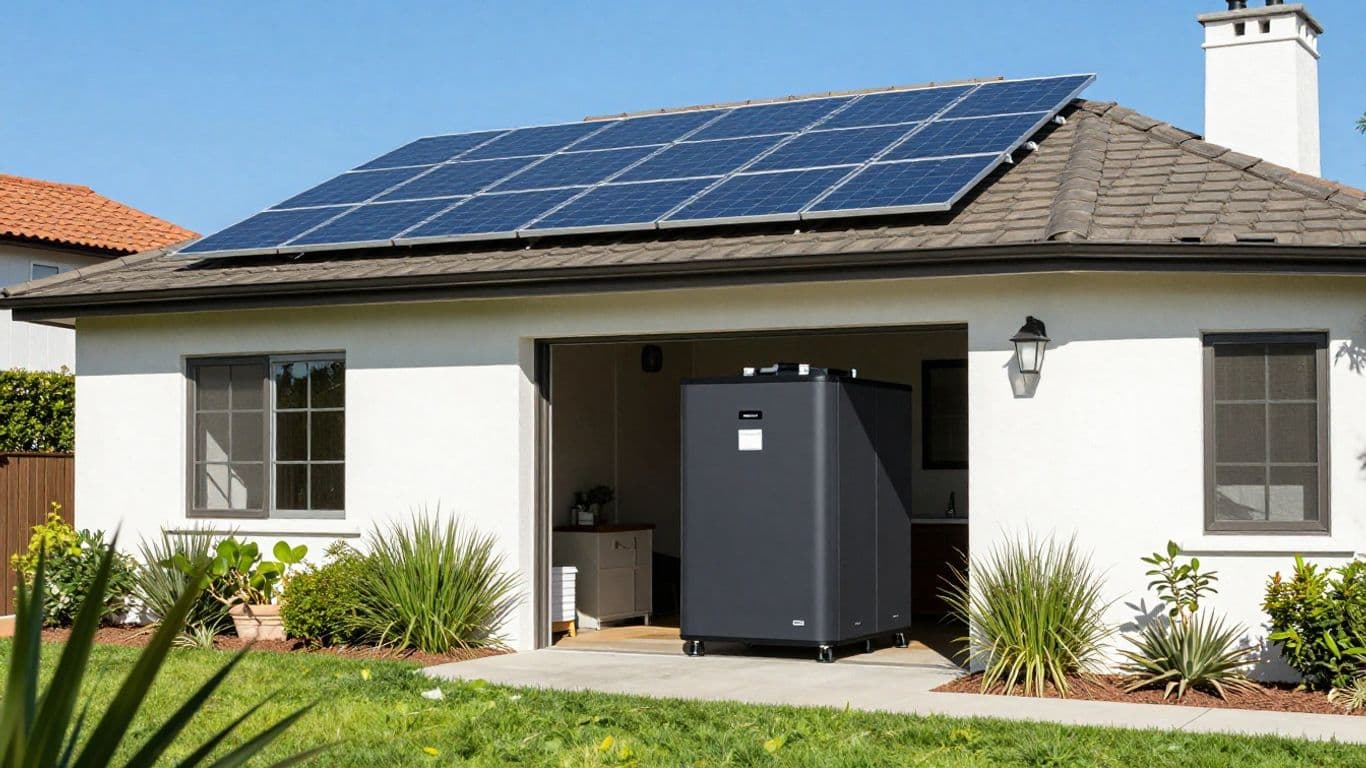
Solar shopping can feel confusing. Panel models change, battery options keep growing, and California incentives and utility rules do not always stay the same. Homeowners are often left wondering how many panels they need, what a system should cost, and whether a battery makes sense. A free AI tool called SolarQuest AI is designed to make those early questions easier to answer.
Key takeaways
- Solar equipment and California incentives change often, making early research difficult.
- SolarQuest AI helps homeowners ask questions and compare possible system options.
- A useful solar plan should consider panels, inverters, batteries, energy use, and the home itself.
- California homeowners should focus on long-term value rather than the lowest advertised price.
- Helios Energy Global helps Southern California homeowners turn research into a custom, transparent installation plan.
Why solar planning feels like a moving target
The basic idea behind home solar is simple: panels produce electricity, and your home uses that electricity to reduce the amount you buy from the utility. But choosing the right system is not always simple.
New panels and inverters enter the market regularly. Battery systems are also improving, with different sizes, warranties, backup features, and installation requirements. On top of that, utility programs and state incentives can change, which affects the potential savings of a new system.
That can make it hard to answer basic questions, such as:
- How many panels should go on the roof?
- Is a battery worth adding?
- What size inverter is appropriate?
- How much electricity will the system produce?
- What should a fair installation price look like?
Most homeowners are not expected to know the answers right away. That is the point of the research stage.
How an AI solar guide can help
SolarQuest AI is presented as a free tool that lets homeowners ask solar and battery questions in plain language. It can be useful when you are still gathering information and are not ready to speak with an installer.
That matters because people often have questions they consider too basic, or they may not yet know which questions to ask. An AI guide can help organize the process by explaining terms, outlining options, and identifying details that may affect a system design.
For example, a homeowner might use it to explore:
- The difference between solar panels and inverters
- How home batteries work during outages
- Whether a battery can help with time-of-use electricity rates
- What information an installer needs for a proposal
- Which factors affect system size and payback
- Questions to ask before signing an installation agreement
It should not replace a site assessment or a professional design. Roof condition, shade, electrical equipment, local requirements, and household energy use all need to be reviewed by a qualified installer. Still, having a clearer starting point can make those conversations much more productive.
Solar and batteries should be planned together
A solar system and a battery do different jobs. Solar panels generate energy during the day. A battery stores some of that energy so it can be used later, including during an outage if the system is designed for backup.
A battery may be especially useful for a California homeowner who wants to:
- Keep essential circuits running during a power outage
- Use more of their own solar energy after sunset
- Reduce reliance on utility electricity during expensive hours
- Add flexibility as household energy use changes
But not every home needs the same battery size. A system designed for basic backup will look different from one intended to power most of the home overnight. This is why a good proposal should explain what the battery is expected to do, not just list its capacity.
What to look for in a solar proposal
After using an online tool to understand the basics, homeowners should compare installer proposals carefully. Price is important, but it is only one part of the decision.
Look for clear information about:
| Area | Questions to ask |
|---|---|
| System design | Why was this number of panels selected? |
| Equipment | Which panels, inverter, and battery are included? |
| Production | What annual energy output is expected? |
| Warranty | Who handles equipment and workmanship claims? |
| Installation | What electrical or roof work is included? |
| Pricing | Are all project costs shown upfront? |
Helios Energy Global takes this transparent approach in Southern California. Its custom solar and battery systems are designed around the home, with attention to modern aesthetics and practical performance. The goal is not to push a standard package, but to give homeowners enough information to feel confident in the choice.
How this affects your solar decision in California
For California homeowners, the best next step is usually not rushing into a quote. Start by understanding your electricity use, outage concerns, roof condition, and long-term plans for the home. Then use tools such as SolarQuest AI to build a list of informed questions.
When you speak with installers, compare the design, equipment, warranties, and total price—not just the monthly payment. A company that explains its recommendations clearly is easier to evaluate and easier to trust.
Solar and batteries are long-term home investments. With good information upfront and a custom plan from a transparent installer such as Helios Energy Global, the process can feel far less uncertain.
Keep reading
Tesla Model X is Out, But What's the Best 3-Row EV Now?
Tesla has officially thrown in the towel on the Model S and X, but if you're still in the market for a three-row electric vehicle, don't worry. There are plenty of great alternatives out there. As someone who's driven a lot of them, I'm here to break down what's available now that the original Model X is leaving the scene. Key Takeaways * Tesla Model X: Still available until June 2026, offers luxury and Tesla's FSD, but the third row is tight for adults and the model is being discontinued, r
ReadCan Tesla's Full Self-Driving Convince My Mom After a Near-Fatal Accident?
It's a scary thought: over a million people die in car accidents each year. My own mom was almost one of them. She actually fell asleep at the wheel, which wrecked her car's suspension, blew out a tire, and could have been so much worse. That's why I think cars like Teslas are important. But here's the thing, she doesn't really trust the idea of full self-driving. So, today, we're doing something a little wild. We're putting her in the driver's seat of a Tesla, using the latest version of Full S
ReadUnlocking energy freedom: The V2X bidirectional charging revolution
The landscape of home energy is changing fast. We have moved from simple solar panels to complex home microgrids, and the latest leap is bidirectional charging—often called V2X (Vehicle-to-Everything). This technology transforms your electric vehicle from a simple transportation machine into a powerful, mobile home battery capable of powering your life during grid outages. Key takeaways * Total integration: Bidirectional charging allows you to pull power from your home battery, solar array,
ReadReady to design your system?
Free quote, transparent pricing, owner-reviewed design.