Is the Tesla Model Y Performance Worth the Upgrade? A Long-Term SoCal Owner’s Take
Deciding between the standard Model Y and the Performance edition ($8,000 extra) is a common dilemma. Having spent thousands of miles behind the wheel in Southern California traffic, it comes down to whether you prioritize raw emotion and track-ready handling or the core efficiency and reliability of a standard trim. Key Takeaways * The Performance edition offers superior acceleration and handling, making it a joy on the open road. * Larger wheels and a staggered tire setup lead to faster w
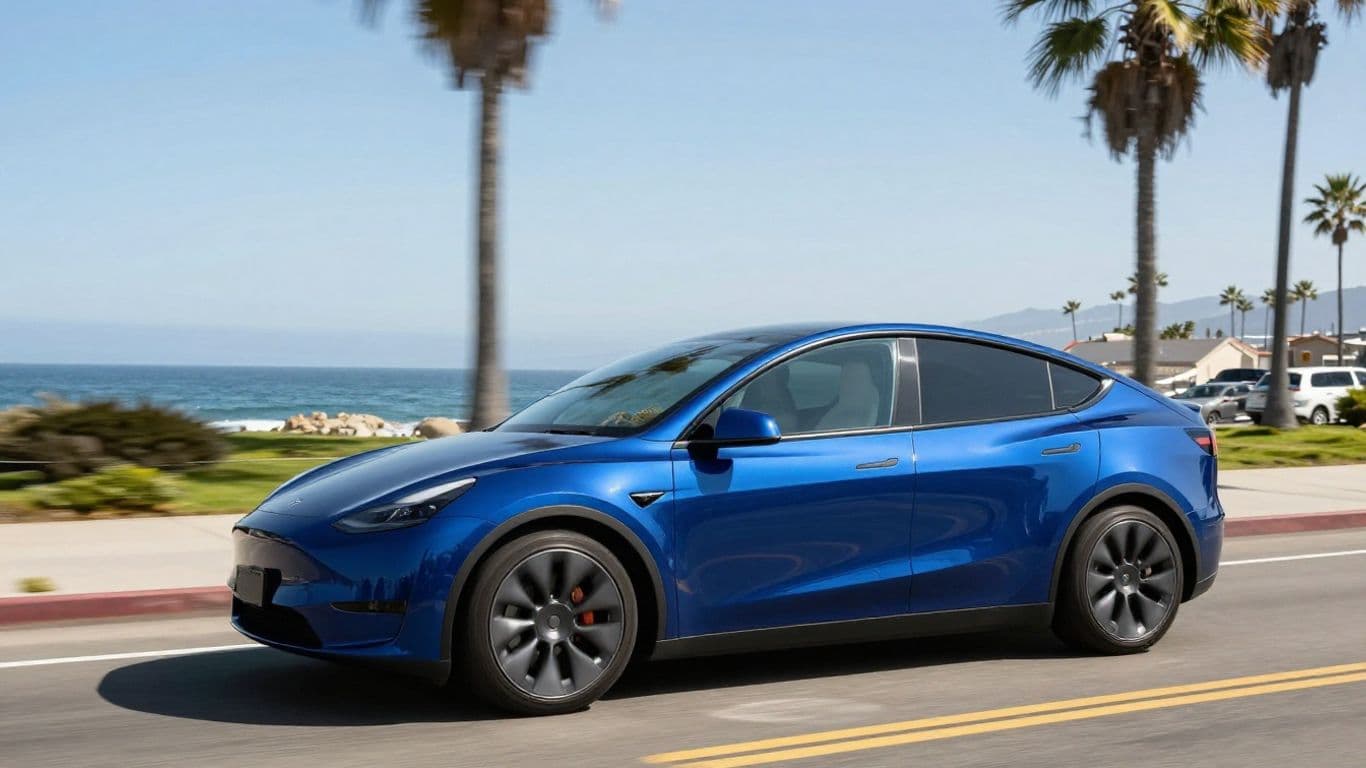
Deciding between the standard Model Y and the Performance edition ($8,000 extra) is a common dilemma. Having spent thousands of miles behind the wheel in Southern California traffic, it comes down to whether you prioritize raw emotion and track-ready handling or the core efficiency and reliability of a standard trim.
Key Takeaways
- The Performance edition offers superior acceleration and handling, making it a joy on the open road.
- Larger wheels and a staggered tire setup lead to faster wear and a slightly firmer ride than the standard Model Y.
- Cabin noise levels remain remarkably low due to dual-pane glass, even with the performance-oriented tires.
- Range is slightly lower in the Performance model due to wheel design and vehicle aerodynamics.
- Build quality can vary; check alignment and weather seals during your handover.
Driving experience and handling
When testing the Model Y Performance against the standard premium trim, you immediately notice a difference in suspension tuning. While both are comfortable enough for daily use in SoCal, the Performance model feels noticeably tighter around corners. The "Sport" handling mode keeps the vehicle planted, preventing the body roll you might feel in the base model when taking tighter turns on ramps or winding hills. While it might be a bit bumpier over potholes or worn city streets, the trade-off is a much more connected, aggressive driving feel.
Tires and maintenance
One thing to keep in mind: that performance comes at a cost. The 21-inch wheels use a staggered setup, meaning you cannot perform a standard front-to-back tire rotation. Because the rears are wider and handle the brunt of the acceleration, you will likely find yourself replacing tires much sooner than expected. Over a long-term ownership period, be prepared for more frequent tire maintenance than you would face with the standard Model Y, especially in the variable terrain we see around Southern California.
Efficiency and charging
Efficiency results are interesting. Even with the larger wheels, the Model Y Performance remains quite close to its sibling in real-world range, though the Performance chip and extra weight do shave off a few miles. When you plug into a 250 kW Supercharger, expect a relatively quick charging experience. While there might be a four-to-five-minute margin in charging time compared to the standard model, it’s rarely a dealbreaker for most daily commuters using SCE or LADWP off-peak charging schedules.
Practicality meeting power
Ultimately, the Model Y Performance is a family-hauler that hides a sports car personality. You still get the expansive trunk, the sub-trunk, and the front storage area (frunk) that make Tesla a leader in interior volume. For homeowners considering a transition to home energy, pairing this with a solar setup helps mitigate electricity costs associated with the daily commute.
At Helios Energy Global, we see many residents transitioning to solar specifically to negate the "fuel" costs of high-performance EVs like the Model Y. It turns that daily commute—whether it's getting on the 405 or navigating local surface streets—into a guilt-free experience.
| Feature | Model Y Premium | Model Y Performance |
|---|---|---|
| 0-60 Time | Moderate | Near Instant |
| Tire Life | Higher | Lower (Staggered) |
| Suspension | Softer | Stiffer/Sport |
| Efficiency | Optimized | Power-Focused |
Considering solar in your city? Reach out to Helios Energy Global to ensure your home energy system meets the demands of your vehicle, providing you with clean, transparent, and efficient power for years to come.
Keep reading
Unlocking energy freedom: The V2X bidirectional charging revolution
The landscape of home energy is changing fast. We have moved from simple solar panels to complex home microgrids, and the latest leap is bidirectional charging—often called V2X (Vehicle-to-Everything). This technology transforms your electric vehicle from a simple transportation machine into a powerful, mobile home battery capable of powering your life during grid outages. Key takeaways * Total integration: Bidirectional charging allows you to pull power from your home battery, solar array,
ReadChoosing Your Home Solar Battery: A 2026 Buyer's Guide
As we head into 2026, the question of which solar battery system is best for your home is more important than ever. These aren't just batteries; they're all-in-one solutions designed for energy independence, reducing your electricity bills, and providing backup power during outages. We're looking at systems that integrate solar and storage, offering a smarter way to manage your home's energy. Key Takeaways * All-in-One Systems: Most modern solar batteries are integrated systems, combining in
ReadThe Surprising Truth About AI and Your Job
Artificial intelligence is changing the way we work, and it's not just about robots taking over. This discussion explores how AI is actually creating new opportunities and how we can prepare for these shifts. It's less about fear and more about understanding the practical impact on different jobs and industries. Key Takeaways * AI is more likely to change jobs than eliminate them. * New roles are emerging that require human skills like creativity and critical thinking. * Learning new skill
ReadReady to design your system?
Free quote, transparent pricing, owner-reviewed design.