Is Solar Still Worth It? Your 2026 Guide to Smart Energy Investment
The solar industry has gone through some real turbulence over the last few years, from shifting government policies to the sudden collapse of some major installers. It is natural to feel hesitant about jumping in. But despite these headwinds, installing solar remains an excellent, sensible investment for homeowners as of 2026. Key Takeaways * Rising utility rates make early adoption more profitable than ever. * Electric vehicle (EV) batteries can now serve as your primary home backup, lower
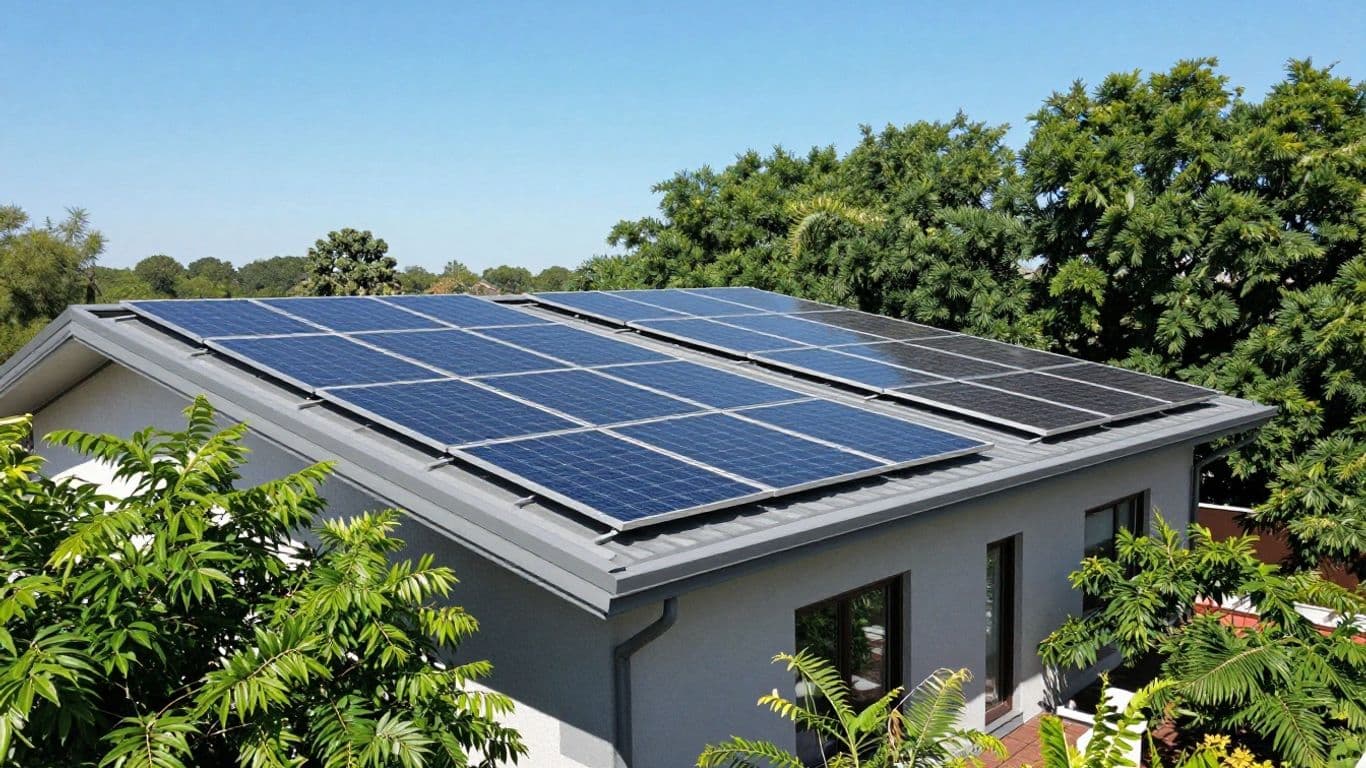
The solar industry has gone through some real turbulence over the last few years, from shifting government policies to the sudden collapse of some major installers. It is natural to feel hesitant about jumping in. But despite these headwinds, installing solar remains an excellent, sensible investment for homeowners as of 2026.
Key Takeaways
- Rising utility rates make early adoption more profitable than ever.
- Electric vehicle (EV) batteries can now serve as your primary home backup, lowering total system costs.
- Transparent financing is finally pushing out predatory dealer fees.
- Competitive battery market options are making energy storage more accessible.
Ride the wave of rising electric rates
When I first started in this industry, payback periods were often over a decade because electricity was cheap. Today, that has flipped. With demand from AI data centers, home heating, and electric vehicle adoption all climbing, grid energy prices aren't just rising—they are jumping. By installing solar now, you are essentially pre-paying for your energy at today's rates instead of paying the utility company’s premium price tomorrow. At Helios Energy Global, we focus on helping you secure that return on investment as quickly as possible through efficient, custom design.
The power of bidirectional charging
You don't necessarily need a dedicated house battery immediately if you have an EV. With bidirectional (V2X) technology, your car can plug into your home to provide backup power during a blackout or shift usage to avoid peak rates. It turns your existing vehicle into a giant mobile battery, which is a massive win for homeowners who want self-sufficiency without the total cost of a standalone battery system.
Watch out for 'hidden' finance costs
For years, some companies have used 'dealer fees'—hidden costs that get tacked onto your loan—to make their low interest rates look attractive. These fees can inflate your contract by 20% to 40%. At Helios Energy Global, we believe in radical transparency. We offer straightforward pricing with no hidden markups, so you know exactly where every dollar of your investment is going before you sign a single document.
Battery storage comparison
Thanks to increased competition, battery prices have dropped significantly while performance has improved. Here is how some common configurations compare in terms of value.
| Feature | Entry-Level Battery | Mid-Range Battery | Premium Performance (Helios Choice) |
|---|---|---|---|
| Capacity (kWh) | 5.0 | 10.0 | 15.0 |
| Continuous Power (kW) | 3.0 | 5.0 | 8.0 |
| Warranty | 10 years | 12 years | 25 years |
| Est. Cost per kWh | $1.10 | $0.95 | $0.78 |
Finding reliable service in a changing market
We have seen too many homeowners left in the dark after their original installers went bankrupt. This has unfortunately created a new landscape where many systems are falling into disrepair. While other companies only want to focus on selling new systems, we at Helios take a different approach. We are committed to complete customer confidence, which means we stand by our installations long-term and focus on the kind of durability that prevents these issues in the first place.
What this means for CA homeowners under NEM 3.0
Under the current NEM 3.0 rules in California, the game is no longer about selling back to the grid for retail credit—it is about self-consumption. The power company no longer pays you what they charge you, so the goal is to store your own excess energy during the day and run your home on it at night.
By designing a system that balances your specific solar generation with adequate battery capacity, you can stay shielded from utility dependency and keep your electricity bills at a minimum. It requires a more careful design process than the old 'plug and play' setups, but that is exactly where a custom-focused installer like ours shines.
Keep reading
Solar storage evolution: Is the Anker SOLIX scaling system right for your Southern California home?
Managing home energy in Southern California has become increasingly complex. Between utility rate hikes from companies like SCE and the limitations of traditional solar setups, homeowners are looking for smarter ways to keep the lights on without breaking the bank. Modular battery systems are finally offering a flexible alternative to rigid, proprietary setups. Key takeaways * Modular flexibility: You can start with a smaller capacity and expand your battery storage as your budget allows, ra
ReadYour Solar Journey in SoCal: Powering Your Home with Helios Energy
Considering solar for your Southern California home? It's a big decision, and understanding the process, potential savings, and long-term benefits is key. Helios Energy Global is here to guide you through it, offering transparent pricing and modern, aesthetically pleasing solar and battery systems designed specifically for homeowners like you. Why Go Solar in Southern California? Southern California offers some of the best solar potential in the country. With abundant sunshine year-round, ins
ReadWhy the World’s Biggest Hydrogen Plant Isn’t Making Hydrogen—And Why Homeowners Should Care About Energy Economics
In the heart of the Saudi desert, an $8.4 billion project is nearly finished—a gleaming mega-factory powered by sunlight and wind. But here's the twist: despite all the buzz, this plant (the NEOM Green Hydrogen Project) isn’t really exporting hydrogen at all. It's shipping ammonia, instead, and there’s a reason why that matters more than you might think for the world—and for homeowners watching California’s solar changes unfold. Key Takeaways * The world’s largest “hydrogen” plant is actuall
ReadReady to design your system?
Free quote, transparent pricing, owner-reviewed design.