Solar in 2026: A pragmatic guide for Southern California homeowners
The way we think about solar energy is changing fast. For years, it was simple: put panels on the roof, feed power to the grid, and get a credit. But moving through 2026, the game has shifted toward energy independence, resilience, and software-driven management, making it vital for homeowners to look at their energy setup as a long-term investment rather than just a quick utility fix. Key takeaways * Software now plays the leading role in how your system manages, stores, and optimizes energ
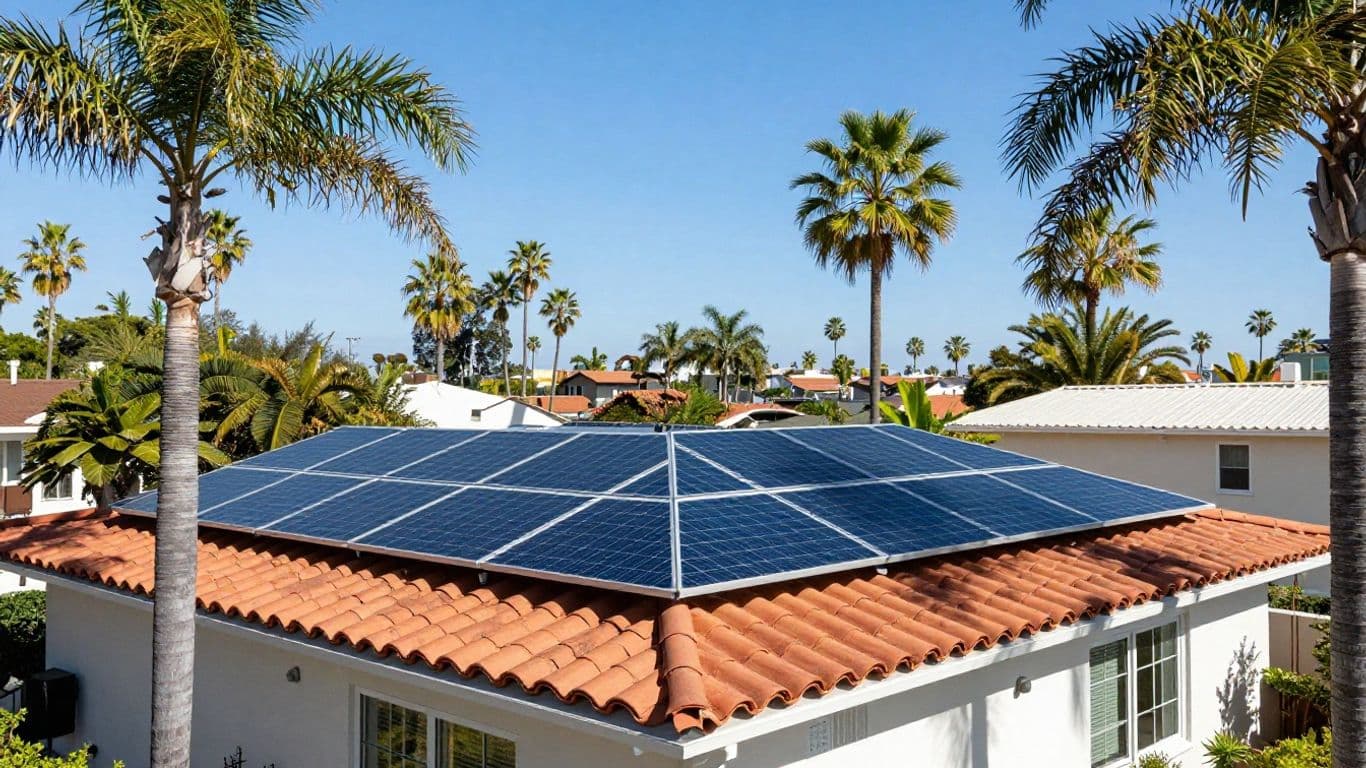
The way we think about solar energy is changing fast. For years, it was simple: put panels on the roof, feed power to the grid, and get a credit. But moving through 2026, the game has shifted toward energy independence, resilience, and software-driven management, making it vital for homeowners to look at their energy setup as a long-term investment rather than just a quick utility fix.
Key takeaways
- Software now plays the leading role in how your system manages, stores, and optimizes energy.
- Battery storage is no longer optional in many regions; it is the most reliable way to combat rising utility costs and grid instability.
- Flexibility is key—choosing modular systems that grow with your home's needs ensures you don't outgrow your investment.
- Cybersecurity and domestic equipment provenance are becoming essential factors for long-term peace of mind.
The shift to hybrid energy systems
When the solar industry first took off, it was largely about grid-tie systems. You generated, you exported, and you hoped the utility kept paying a fair price. Today, grid-tie systems are becoming less efficient due to changing utility policies. At Helios Energy Global, we're finding that the future is clearly in hybrid models—where solar generation, intelligent battery storage, and home automation work together. It’s about producing your own power, storing it, and using it precisely when you need it most.
Choosing the right storage solution
With so many battery options on the market, it’s easy to feel overwhelmed. Not every system fits every home. We focus on matching the right architecture to your specific lifestyle goals—whether that means just clipping your monthly energy peaks or ensuring your fridge and HVAC stay on for days during a grid emergency.
| Feature | Fixed-Ratio Batteries (e.g., Powerwall) | Modular Hybrid Systems |
|---|---|---|
| Scalability | Fixed capacity | Expandable/Modular |
| Primary Use | Demand shifting | Whole-home backup/Independence |
| Energy Control | Standard | High level (custom configured) |
| Investment Scope | Short to medium term | Long-term asset growth |
Why local support is your best insurance
Hardware components—inverters, storage units, and panels—eventually encounter wear and tear. It’s a reality of modern technology. Many homeowners overlook the fact that when an issue arises, you aren't just calling a manufacturer; you're relying on your installer. At Helios Energy Global, we pride ourselves on being a partner for the long haul. We don’t believe in disappearing after the installation day. A reliable solar system is only as good as the team that stands behind it when things get weird with the utility company or the firmware.
Software is the engine
Historically, solar was about the physical install. Now? It’s about the app, the cloud infrastructure, and the data. We prioritize systems that provide homeowners with granular control. You should be able to see exactly where your energy is moving, diagnose issues remotely, and participate in grid-management programs if that suits your goals. It’s about moving from being an energy consumer to becoming an energy manager.
What this means for CA homeowners under NEM 3.0
Under the current NEM 3.0 framework in California, the financial strategy has flipped on its head. Feeding excess energy back to the grid for pennies is no longer the path to a quick ROI. Instead, the focus for Southern California homeowners must be on self-consumption.
By prioritizing a high-capacity storage system, you can capture your midday solar production and save it for the high-cost evening hours. This isn't just about saving money on a monthly bill; it’s about securing a fixed energy cost for the next 20 years. When you can minimize your reliance on the grid and maximize what you generate on-site, you insulate your household from the volatile rate hikes we've seen across the state. In this environment, your battery isn't an extra add-on—it’s the anchor of your entire energy strategy.
Keep reading
Tesla Model Y Gets Interior Upgrades & Free Supercharging For Model 3 Buyers
Tesla is making some interesting moves for its popular electric vehicles. For buyers of the Model 3, there's a limited-time offer for a year of free Supercharging, which could mean significant savings. Meanwhile, the Model Y is receiving some interior enhancements, bringing more premium features to more trims. Key Takeaways * Model 3 Free Supercharging: Purchase a Model 3 by June 15th and get one year of free Supercharging. * Model Y Interior Updates: Rear-wheel drive and all-wheel drive Mo
ReadRivian R2 Delivery Day (Didn’t Go as Planned)
After waiting more than two years, a day-one reservation holder finally arrived to pick up his Rivian R2. The delivery had already been delayed because Rivian found a paint blemish, so the big question was simple: had the issue been fixed, and would the car pass a very close inspection before its first drive? Key takeaways * Rivian delayed delivery by about a week to repair a paint blemish. * The vehicle could not be inspected before payment, though a cashier’s check allowed the buyer to ho
ReadWhy the Future of Home Energy Storage Isn't Just Lithium
The way we power our homes is undergoing a quiet but massive shift. While most people have heard of lithium-ion batteries, a new contender—sodium-ion—is emerging from the laboratory and onto the grid. For homeowners in Southern California, this transition suggests a more stable, affordable future for residential energy storage. Key takeaways for your home energy system * Material abundance: Unlike lithium, which faces supply chain volatility, sodium is incredibly common and inexpensive to so
ReadReady to design your system?
Free quote, transparent pricing, owner-reviewed design.