Sol-Ark vs. Enphase IQ Battery 10C: Which Home Battery System Is Right For You?
Choosing the right solar and energy storage system can feel like a big decision, especially with so many options out there. This video breaks down two popular choices: the Sol-Ark hybrid inverter system and the Enphase IQ Battery 10C. We'll look at how they work, their pros and cons, and what they might mean for homeowners, particularly under new regulations like NEM 3.0. Key Takeaways * Modular vs. All-in-One: Sol-Ark uses a modular, low-voltage system where you can mix and match components
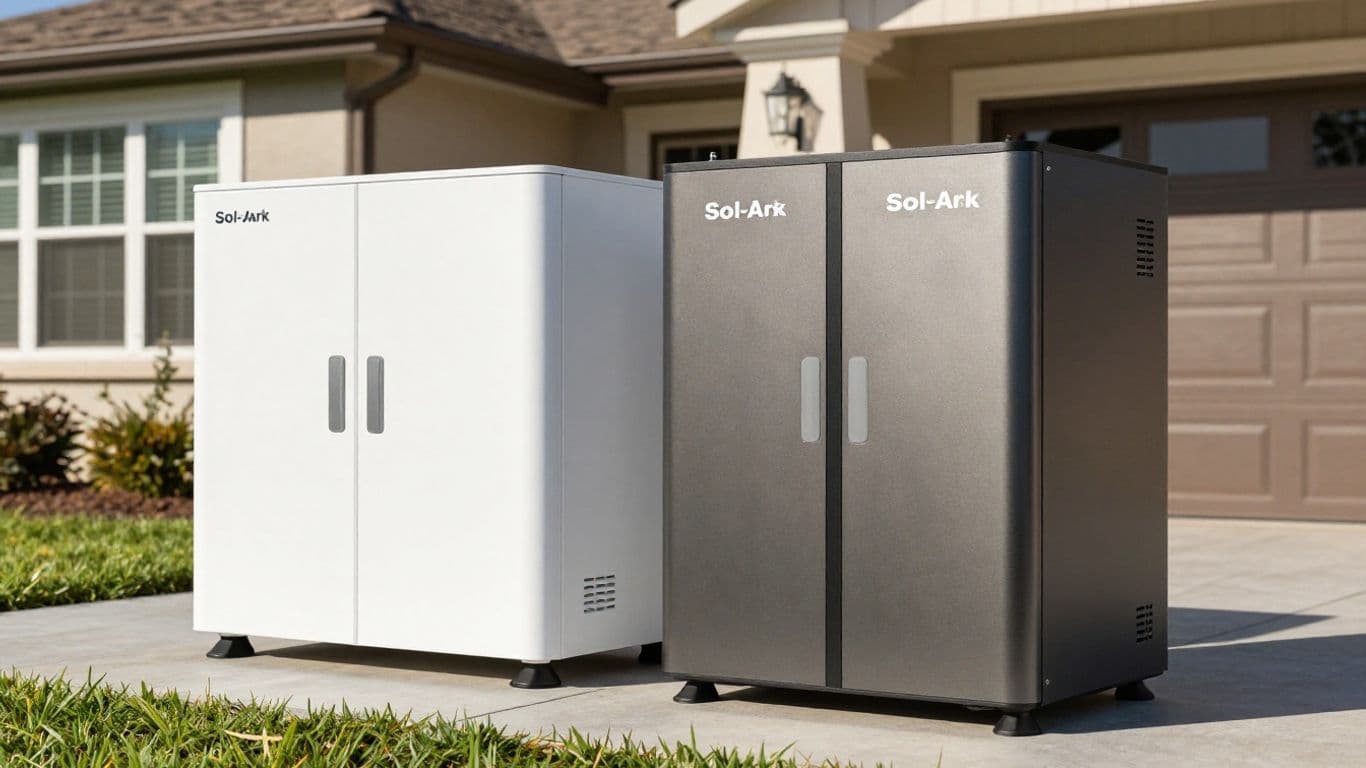
Choosing the right solar and energy storage system can feel like a big decision, especially with so many options out there. This video breaks down two popular choices: the Sol-Ark hybrid inverter system and the Enphase IQ Battery 10C. We'll look at how they work, their pros and cons, and what they might mean for homeowners, particularly under new regulations like NEM 3.0.
Key Takeaways
- Modular vs. All-in-One: Sol-Ark uses a modular, low-voltage system where you can mix and match components, while Enphase offers a proprietary, all-in-one system that works best with their own products.
- Cost: Modular systems like Sol-Ark often have a lower cost per kilowatt-hour of storage, especially as you add more battery capacity.
- Flexibility: Sol-Ark's modular design allows for more flexibility in choosing battery types and brands, and can be easier for user servicing.
- Simplicity & Integration: Enphase offers a streamlined, integrated experience with a single app controlling all components, and its micro-inverter design provides inherent benefits like shade mitigation.
- NEM 3.0 Impact: For California homeowners under NEM 3.0, maximizing self-consumption is key, and both systems offer ways to achieve this, though the cost and complexity differ.
Understanding the Architectures
At its core, the comparison is between two different ways of building a solar and battery system. Sol-Ark uses what's called a low-voltage modular system. This typically means a 48-volt system. The big advantage here is flexibility. You can pair the Sol-Ark inverter with almost any 48-volt battery, regardless of the manufacturer, as long as it fits the voltage requirements. This also means you have a choice in battery chemistry – from older lead-acid types to newer lithium-ion chemistries like LFP (lithium iron phosphate).
Think of it like building with LEGOs. You buy the main inverter piece, and then you can add on different battery pieces from various brands to get the storage capacity you need. It's not locked into one company's ecosystem.
On the other hand, Enphase offers an all-in-one, proprietary system. If you go with an Enphase battery, you're generally expected to use Enphase micro-inverters for your solar panels, their IQ Combiner to manage everything, and then the IQ Battery 10C itself. Everything is designed to work together and is controlled through a single Enphase app. It’s more like buying a pre-built, integrated appliance.
Pros and Cons of Modular Systems (Like Sol-Ark)
Advantages
- Lower Cost Per kWh: Generally, modular systems offer a lower scaled cost per kilowatt-hour of storage. You pay for the main inverter once, and then you add battery modules. Since you're not paying for extra inverter capacity with each battery, the cost to add more storage is usually less.
- Interoperability: You aren't tied to one battery brand. This means you can shop around for the best price or specific features, as long as the battery is compatible with the inverter's voltage.
- User Serviceability: Many modular systems, like Sol-Ark, have components that are easier for users or technicians to access and potentially replace. You can often keep spare parts on hand for critical components.
- Off-Grid Capability: These systems often have control panels directly on the unit, allowing for local monitoring and adjustments without needing an internet connection. This is a big plus for true off-grid setups.
- Generator Integration: 48-volt hybrid inverters typically handle generator integration very well. This provides an extra layer of backup, allowing you to recharge batteries with a generator if solar isn't enough during bad weather or long outages.
Disadvantages
- More Complex Installation: With more separate components, installation can be more involved. You might need specialized conduits and more wiring to connect multiple batteries to the inverter.
- Potential for Miscommunication: Because components can come from different manufacturers, there's a risk of software or firmware incompatibilities. If the battery's Battery Management System (BMS) and the inverter aren't communicating perfectly, it can lead to system shutdowns or reduced performance.
Pros and Cons of All-in-One Systems (Like Enphase)
Advantages
- No Central Point of Failure: Enphase uses micro-inverters on each solar panel. If one micro-inverter fails, the rest of the system keeps working. Similarly, with their battery system, if one battery unit has an issue, you don't lose all your storage.
- Module-Level Monitoring: You can see how each individual solar panel is performing, which is great for troubleshooting and understanding your system's output.
- Built-in Rapid Shutdown: Micro-inverters inherently meet safety codes for rapid shutdown, which is required by emergency responders.
- Streamlined Installation & Aesthetics: These systems are often designed for a cleaner look and simpler installation, with components like the new Combiner 6C integrating multiple functions.
- Integrated Ecosystem: Everything is designed to work together seamlessly, controlled by a single app, which can be very user-friendly.
Disadvantages
- Higher Cost: Enphase systems are typically more expensive, especially when looking at the total cost per kilowatt-hour of storage or per kilowatt of solar capacity.
- Proprietary System: You're locked into the Enphase ecosystem. If you want to use their battery, you generally need their micro-inverters and other components.
- More Individual Components: While there's no single central inverter failure point, there are more individual components (like micro-inverters) that could potentially fail over time, requiring service calls.
Specs Comparison
Here's a quick look at how these systems stack up:
| Feature | Sol-Ark (Example: 18K Hybrid) | Enphase IQ Battery 10C |
|---|---|---|
| Capacity | Scalable (e.g., 18kW inverter) | 10.08 kWh |
| Power | High output (e.g., 18kW) | 5.76 kW continuous |
| Warranty | Varies by battery (Inverter: 10 yrs) | 15 years |
| $/kWh | Lower (especially when scaled) | Higher |
Note: Specific capacities and pricing can vary based on the exact configuration and current market conditions. Sol-Ark's cost-effectiveness often comes from pairing its inverter with third-party batteries.
What This Means for CA Homeowners Under NEM 3.0
For homeowners in California dealing with Net Energy Metering (NEM) 3.0, the focus shifts heavily towards self-consumption. Under NEM 3.0, the rates you get for exporting excess solar power back to the grid are significantly lower. This means you want to use as much of your solar energy as possible when you generate it or store it for later use.
Both Sol-Ark and Enphase systems can help you achieve higher self-consumption. The Sol-Ark's modularity might offer a more budget-friendly way to add significant battery storage over time, allowing you to store more of your own solar energy. The Enphase system, while potentially more expensive upfront, provides a tightly integrated solution that can intelligently manage your home's energy use and battery charging/discharging to maximize your savings by using your own solar power.
The choice often comes down to your budget, your desire for flexibility versus a fully integrated system, and how much storage capacity you anticipate needing. If maximizing storage for the lowest cost per kWh is your priority, a modular system like Sol-Ark might be more appealing. If a simple, integrated, and highly monitored system is preferred, and budget is less of a concern, Enphase could be the way to go.
Keep reading
Chinese Inverters BANNED in 2026? What NEM 3.0 Means for CA Homeowners
The solar industry is buzzing with talk about potential tariffs and bans on Chinese-made inverters and batteries, especially as we head into 2026. This could significantly impact the cost and availability of solar equipment, forcing a shift in how systems are financed and what components are used. California homeowners, in particular, need to understand how these changes, especially under NEM 3.0, will affect their self-consumption strategies. Key Takeaways * Tariff Increases: Expect a 15% d
ReadSolar Panels Are Not Worth It
A survey of more than 200 solar homeowners looked at why people are still installing solar in 2026. The answers were practical: long-term savings, backup power, lower monthly bills, and, for a smaller group, environmental benefits. For Southern California homeowners, the right choice now depends heavily on utility rates, battery storage, system pricing, and how much energy you use at home. Key takeaways * Long-term savings ranked first, with 33% of respondents choosing it as their main reaso
ReadLithium Valley: Could California’s Hidden Treasure Change Your Home’s Energy Future?
The Salton Sea is a strange, desolate place that history books might call an environmental disaster. Yet, beneath its toxic salt flats, engineers have discovered a massive deposit of “white gold”—lithium. This discovery could turn Southern California into a global powerhouse for the clean energy transition, directly impacting how you power your home and charge your car. ### Key Takeaways of the Lithium Valley Revolution - The Salton Sea holds enough lithium to potentially meet a massive share of
ReadReady to design your system?
Free quote, transparent pricing, owner-reviewed design.