Should You Lease or Purchase Your Solar System in This Economy?
Deciding whether to lease or purchase a home solar system in California is a major financial choice, especially under the current NEM 3.0 net billing structure. With rising utility rates and varying tax implications, homeowners must carefully evaluate their specific energy goals and long-term tax liability to determine the best path forward. Key takeaways * Leasing typically covers equipment maintenance and battery replacements for up to 25 years, providing peace of mind. * Purchasing allow
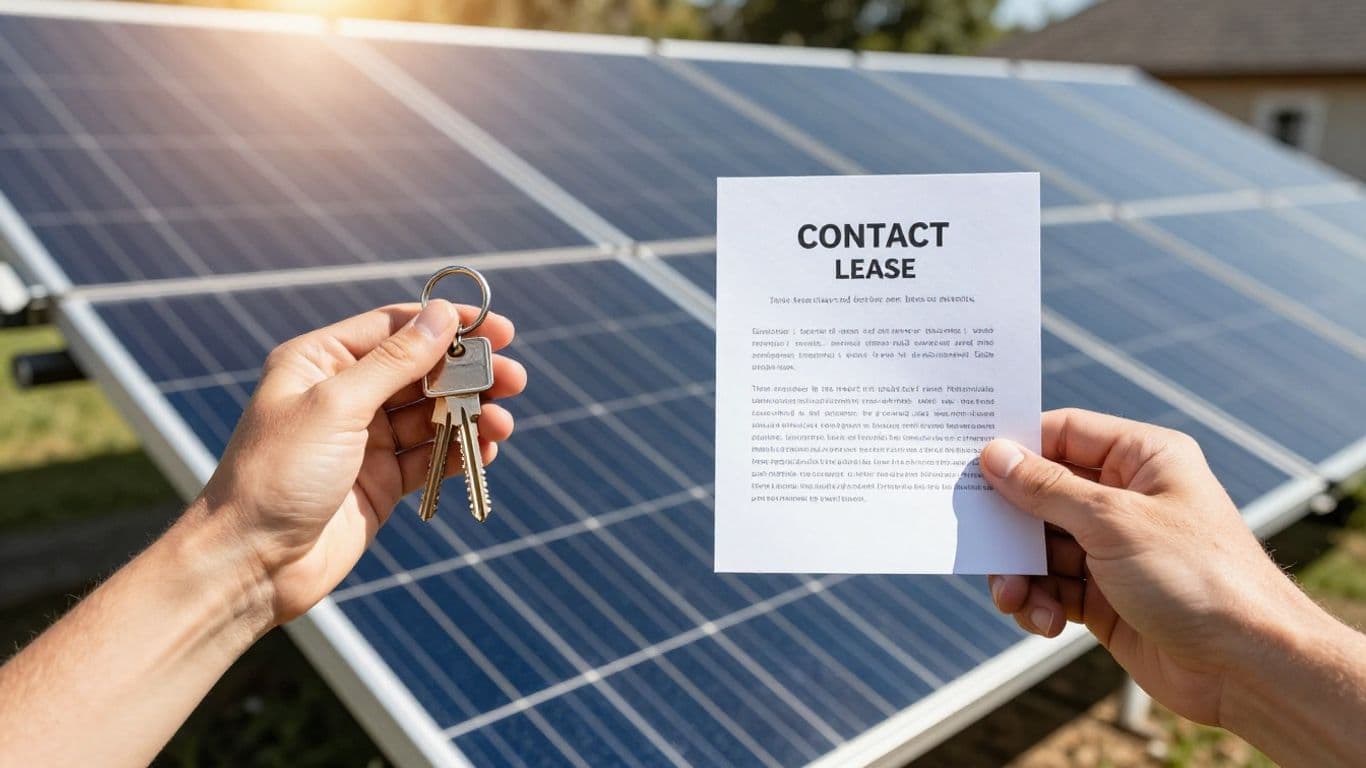
Deciding whether to lease or purchase a home solar system in California is a major financial choice, especially under the current NEM 3.0 net billing structure. With rising utility rates and varying tax implications, homeowners must carefully evaluate their specific energy goals and long-term tax liability to determine the best path forward.
Key takeaways
- Leasing typically covers equipment maintenance and battery replacements for up to 25 years, providing peace of mind.
- Purchasing allows you to claim federal tax credits, but requires enough tax liability to fully benefit from them.
- Financial Impact: Leasing avoids adding debt to your DTI (debt-to-income) ratio, making it attractive for property investors.
- Utility Context: NEM 3.0 necessitates careful system sizing and storage integration to minimize grid dependency.
Understanding the purchase vs. lease dynamic
When we look at solar in Southern California, we are essentially looking at two paths: owning the equipment or entering a long-term agreement to pay for the power it generates. At Helios Energy Global, we focus on transparency to help you decide which fits your household. If you purchase your system, you own the assets, qualify for the federal tax credit, and avoid monthly lease payments. However, you are also responsible for the performance and maintenance of the equipment once the initial warranties expire.
Leasing, on the other hand, shifts the maintenance burden. If an inverter or battery fails, it is on the leasing company to fix it. This is a significant factor under NEM 3.0, where battery reliability is crucial for bypassing high-cost, grid-dependent evening hours.
Weighing tax liability and your budget
It is a mistake to assume every homeowner benefits equally from the federal solar tax credit. To capture the full value, you need enough federal tax liability in the year of installation. Many lenders offer an introductory period to pay down the loan once you receive your tax credit, but if your tax bill doesn't allow you to claim that credit immediately, your loan could re-amortize to a higher, less manageable payment.
| Feature | Purchasing | Leasing |
|---|---|---|
| Tax Incentives | Eligible for federal credits | Generally held by the owner |
| DTI Impact | Increases debt liability | No impact on DTI |
| Maintenance | Owner's responsibility | Handled by lease provider |
| End-of-term | You own the equipment | Buyout options available |
Utility-specific implications
Your utility provider plays a huge role in the math. Whether you are with SCE, PG&E, or SDG&E, you are likely facing peak-time-of-use rates that make solar and battery storage essential.
- SCE/PG&E/SDG&E: These utilities are pushing rates higher. Under NEM 3.0, exporting to the grid is worth far less than it used to be. The goal is no longer "oversizing" your system for credits; it is about finding the "sweet spot" of battery capacity to cover your home's needs once the sun goes down.
- LADWP: Municipal utilities often operate under different rules. Before moving forward, you must verify how your specific utility transitions systems onto net billing, as some programs will immediately kick you off legacy budget billing once you install solar.
What this means if you're in a SoCal city
If you live in a Southern California community, your decision depends heavily on your future plans. If you are a long-term owner with healthy tax liability, purchasing remains a powerful way to lock in long-term savings. If you are an investor or looking to keep your debt-to-income ratio clear for other opportunities—or if you simply want a maintenance-free 25-year solution—a lease might be the better fit for your cash flow.
At Helios Energy Global, we walk you through the math for your home specifically, ensuring you understand the real-world impact of your decision before you sign anything. No high-pressure tactics—just clear, honest design.
Keep reading
Variable Speed Inverters: The Next Big Battery Breakthrough?
Portable battery systems are changing how homeowners prepare for outages, but battery capacity is only part of the story. Two systems with the same 2 kWh rating can deliver very different results, especially when powering small, always-on devices. Variable-speed inverter technology aims to reduce that waste and make backup power more useful in real homes. Key takeaways * Battery capacity does not tell the whole story. Inverter efficiency can reduce the usable energy available to your applian
ReadThe Future of Home Energy: Lessons from Tesla's Latest Innovations
The landscape of home energy is changing quickly, and recent breakthroughs in manufacturing and technology are paving the way for more efficient, integrated systems. From advancements in battery electrode production to the expansion of consumer-accessible electric vehicle charging, these updates highlight a clear shift toward a cleaner, more electrified future for California homeowners.## Understanding the latest battery breakthroughs Recent patent filings reveal significant shifts in how energ
ReadFox ESS PowerQ: The All-In-One Solar and Battery System for Your Home
If you're looking for a smart, all-in-one solution for solar energy and storage that includes whole-house backup, the Fox ESS PowerQ system is definitely worth a closer look. It's designed to be a simpler, more effective way to go solar. Fox ESS is an international company that's been successful in many markets, and they're now bringing their flagship residential product, the PowerQ, to the US. Many companies held off on releasing battery and inverter systems in the US until recently. This was
ReadReady to design your system?
Free quote, transparent pricing, owner-reviewed design.