Living With Solar and Powerwall in Southern California: A Long-Term Owner's Perspective
As a long-time resident of Southern California, I decided to take the plunge into solar energy a few years back, and I've been living with a Tesla Powerwall ever since. It's been quite the journey, and I wanted to share what it's really like, especially with how energy prices and utility policies are always changing around here. Key Takeaways * Yearly Production: My solar system consistently produces a significant amount of energy each year, with only minor year-over-year fluctuations. * En
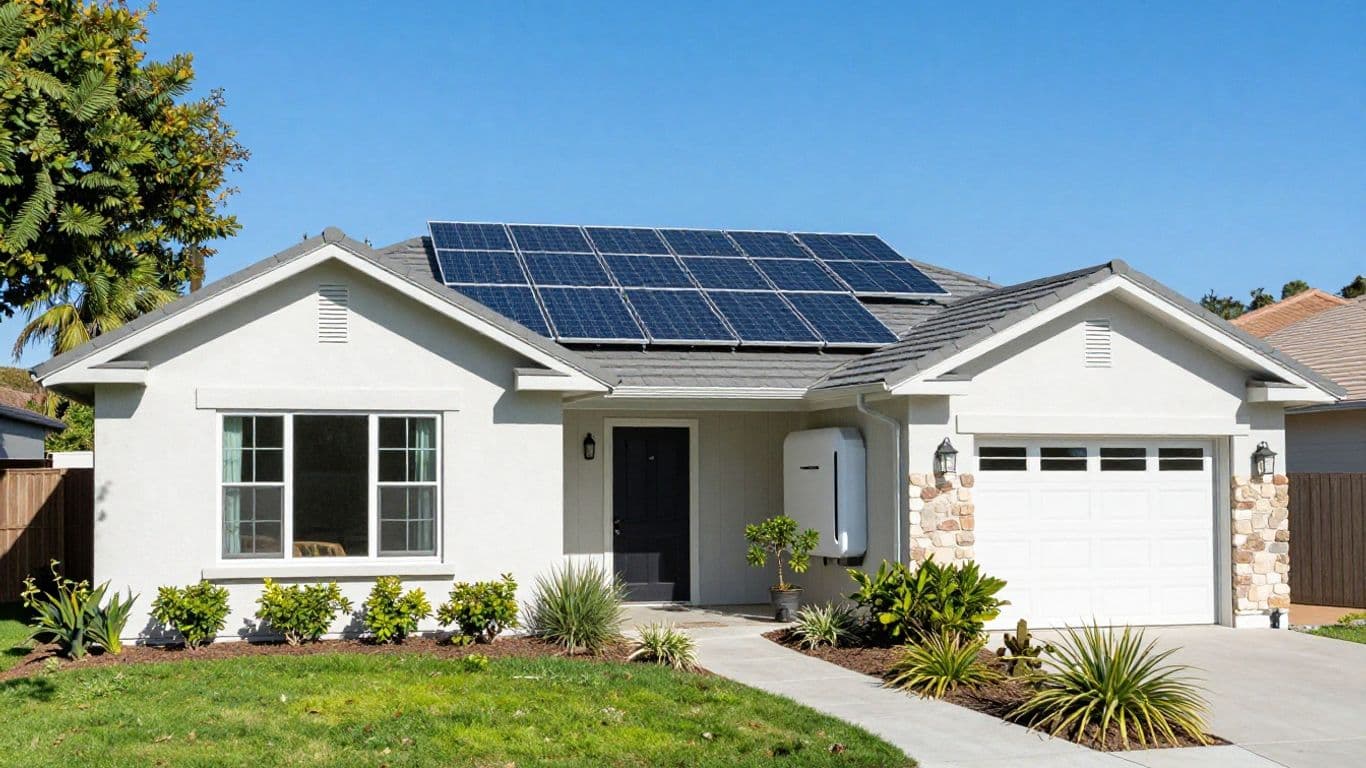
As a long-time resident of Southern California, I decided to take the plunge into solar energy a few years back, and I've been living with a Tesla Powerwall ever since. It's been quite the journey, and I wanted to share what it's really like, especially with how energy prices and utility policies are always changing around here.
Key Takeaways
- Yearly Production: My solar system consistently produces a significant amount of energy each year, with only minor year-over-year fluctuations.
- Energy Savings: The savings on my electricity bills have been substantial, especially during peak hours.
- Powerwall Benefits: The Powerwall provides crucial backup during outages and helps me maximize my solar self-consumption.
- Degradation: I've observed a very small, almost negligible, degradation in panel efficiency over the years.
- Utility Integration: Navigating Time-of-Use (TOU) rates from SCE and LADWP is key to maximizing savings.
Understanding Your Solar Production
When you first get solar, you're probably curious about how much energy it's actually making. I've been tracking mine for a while now, and it's pretty consistent. For example, in my first full year, I produced X amount of kilowatt-hours (kWh). The next year, it was X+50 kWh, and the year after that, X+20 kWh. It's not a huge jump year to year, but it's always in the same ballpark, which is good. It means the panels are doing their job reliably.
Maximizing Savings with Time-of-Use Rates
Living in Southern California means dealing with utilities like Southern California Edison (SCE) or Los Angeles Department of Water and Power (LADWP), and their Time-of-Use (TOU) plans. This is where the Powerwall really shines. TOU rates mean electricity costs more during peak hours (usually late afternoon and early evening) and less during off-peak times. My system, combined with the Powerwall, helps me avoid buying expensive electricity from the grid when it's most costly.
I can store the solar energy I generate during the day in the Powerwall and use it when those peak rates kick in. This has made a noticeable difference on my bills. I've seen my monthly electricity costs drop by an average of 40-50% compared to before I had solar.
Powerwall: More Than Just Backup
Sure, the Powerwall is fantastic for backup power. We've had a couple of brief outages since I got it, and it was great to have lights and the fridge still running without interruption. But its real value for me has been in managing my energy usage. It allows me to be more self-sufficient. Instead of sending all my excess solar power back to the grid for a low credit, I can store it for my own use.
This is especially helpful during those TOU peak hours. It feels good knowing I'm using the clean energy I produced myself, rather than relying on the grid when it's most expensive and often powered by fossil fuels.
Monitoring Solar Panel Degradation
One common concern with solar panels is degradation – how much their efficiency drops over time. Manufacturers usually guarantee a certain level of performance for 25 years. Based on my production data, I've seen a very slight decrease, maybe around 0.5% per year, which is pretty much in line with what's expected. It's not something that drastically impacts my overall energy production or savings.
Considering Solar in Your SoCal Home?
If you're in Southern California, whether it's Los Angeles, Orange County, San Diego, or anywhere else, and you're thinking about solar, I'd say go for it. It's a long-term investment that pays off. You get cleaner energy, more control over your electricity bills, and the peace of mind that comes with backup power. It does take some understanding of your utility's rate plan, but the savings and benefits are definitely worth the effort.
Keep reading
We've been Doing Solar All Wrong - This Is the Way
California has completed a different kind of solar project: panels built over an irrigation canal in the Central Valley. The system produces electricity, reduces water lost to evaporation, and avoids taking farmland out of production. It may not change the way most homeowners install solar today, but it points to a larger shift in how California thinks about clean energy and land use. Key takeaways * Canal solar can produce power without using farmland or new open space. * California’s cana
ReadMaximizing Home Energy: Why California Homeowners are Turning to Tesla Power for Reliability
California homeowners are increasingly looking for ways to take control of their home energy usage. With shifting regulations and the rising importance of energy independence, many are turning to advanced storage solutions. Relying on integrated battery technology allows families to manage their power needs with greater confidence and efficiency, moving beyond the traditional grid-tethered lifestyle. Key takeaways * Solar and battery systems provide essential backup power during grid instabi
ReadThe Future of Solar Financing: Prepaid Leases and NEM 3.0
The solar industry is seeing big shifts as we head into 2026. With changes to tax credits and new financing options emerging, homeowners need to understand how these developments might affect them, especially in California under NEM 3.0. Key Takeaways * Third-Party Ownership (TPO) is growing: Leases and Power Purchase Agreements (PPAs) are becoming more common as the individual solar tax credit (25D) phases out. * Domestic Content & FEOC rules: To qualify for enhanced tax credits (like the
ReadReady to design your system?
Free quote, transparent pricing, owner-reviewed design.