Most Efficient Solar Panels in 2026
For Southern California homeowners, choosing a solar panel is not just about the highest wattage on the box. Roof space, summer heat, appearance, long-term degradation, warranty support, and price all matter. This buyer’s guide compares three high-efficiency residential panels: Silfab Prime, Maxeon 6, and REC Alpha Pure-RX. Key takeaways * Silfab Prime 440 W offers strong efficiency, an all-black design, US manufacturing, and competitive pricing. * Maxeon 6 440 W ranks highest for listed ef
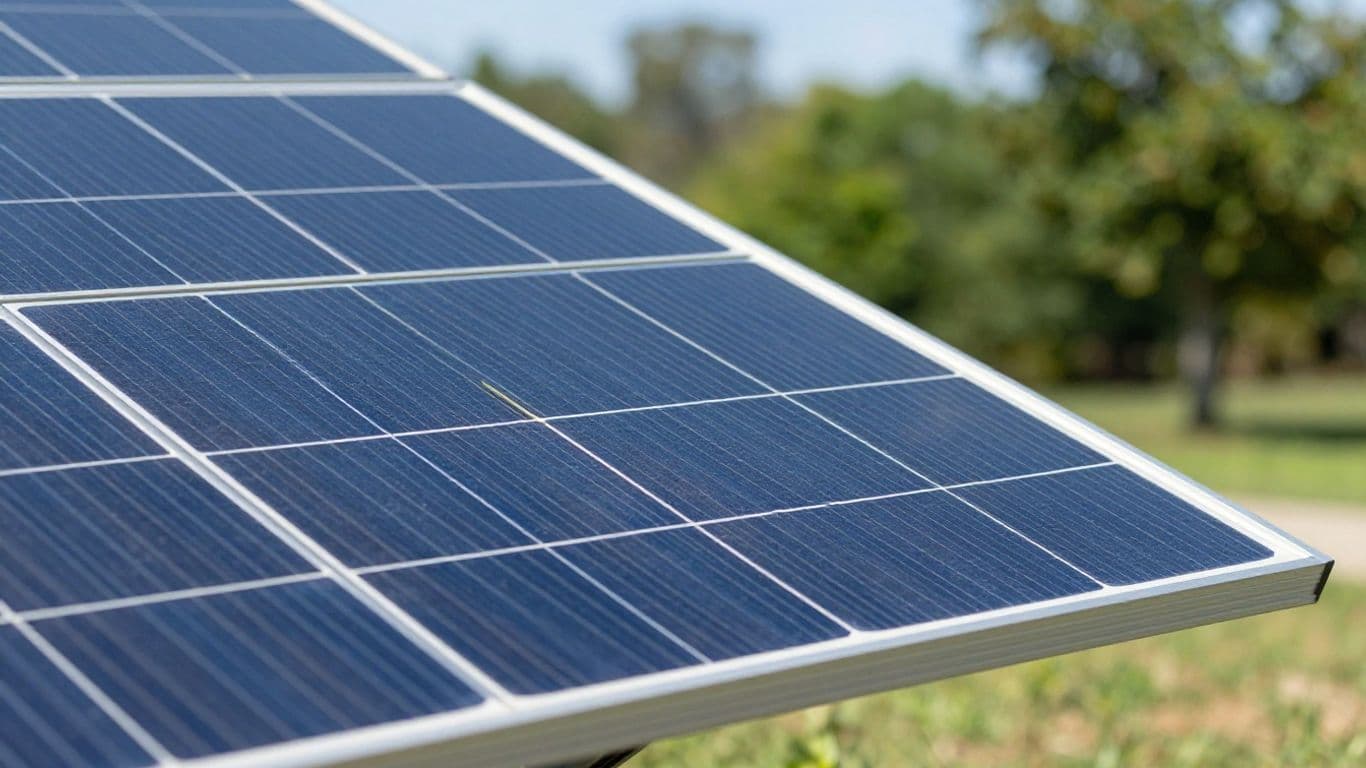
For Southern California homeowners, choosing a solar panel is not just about the highest wattage on the box. Roof space, summer heat, appearance, long-term degradation, warranty support, and price all matter. This buyer’s guide compares three high-efficiency residential panels: Silfab Prime, Maxeon 6, and REC Alpha Pure-RX.
Key takeaways
- Silfab Prime 440 W offers strong efficiency, an all-black design, US manufacturing, and competitive pricing.
- Maxeon 6 440 W ranks highest for listed efficiency and warranty length, but it comes with a major price premium.
- REC Alpha Pure-RX 470 W provides the best overall balance of efficiency, heat performance, warranty coverage, and cost.
- The best panel depends on your roof, budget, and whether you are optimizing for maximum output or long-term value.
What makes a solar panel “high efficiency”?
Solar panel efficiency measures how much sunlight is converted into usable electricity. A panel rated at 22.5% efficiency turns roughly 22.5% of the sunlight reaching its surface into power under standard testing conditions.
The rest is lost through reflection, heat, and other electrical limits. For residential installations, the presenter considers anything above about 22.5% to be high efficiency.
That number matters most when roof space is limited. A more efficient panel can produce more power without requiring a larger array. However, efficiency alone does not decide whether a panel is a good buy. Temperature performance, degradation, warranty support, and installed cost can make a bigger difference over time.
Comparison of the three panels
| Panel | Rated power | Efficiency | Temperature coefficient | Warranty | Price information |
|---|---|---|---|---|---|
| Silfab Prime | 440 W | Up to 22.6% | 0.29% per °C | Performance up to 30 years | Described as cost competitive; exact $/kWh not provided |
| Maxeon 6 | 440 W | Up to 22.8% | 0.29% per °C | Up to 40 years in some cases | May cost 2–3 times more than comparable panels; exact $/kWh not provided |
| REC Alpha Pure-RX | 470 W | 22.6% | 0.24% per °C | 25-year ProTrust warranty | Premium is typically about $0.20 per watt over a standard module; exact $/kWh not provided |
Battery capacity and solar-plus-storage pricing were not covered in the discussion. Final installed pricing depends on system size, roof conditions, electrical work, storage, and local incentives.
Silfab Prime: The practical all-black option
The Silfab Prime 440 W is a strong choice for homeowners who want a clean roofline without paying the highest premium. Its all-black appearance is popular in residential projects, even though a white backsheet can sometimes deliver slightly better technical performance.
With efficiency up to 22.6%, it sits comfortably in the high-efficiency category. Its 0.29% per-degree-Celsius temperature coefficient is also respectable. In plain terms, the panel should hold up well when rooftop temperatures rise during Southern California summers.
Silfab also stands out for its US manufacturing, which may be useful for certain financing or third-party ownership structures that require domestic equipment. The panel includes performance coverage out to 30 years and is generally described as competitive on a price-per-watt basis.
Best for: homeowners who want a balanced panel, an all-black look, domestic manufacturing, and sensible pricing.
Maxeon 6: Highest efficiency, highest price
The Maxeon 6 440 W posts the highest listed efficiency of the three at up to 22.8%. It uses a black-frame, white-backsheet design, so it may not have the completely black appearance some homeowners prefer. The tradeoff is slightly higher technical performance.
Its 0.29% temperature coefficient is competitive, especially in hot climates. Maxeon’s biggest advantage, though, is its long-term warranty and low annual degradation rate of about 0.25%. That means the panels are expected to retain more of their original output as they age.
The problem is cost. The presenter notes that Maxeon panels can cost two to three times more than other panels in the same general class. That may make sense when roof space is extremely limited and maximum production is the priority. For most buyers focused on return on investment, however, the premium deserves careful review.
Best for: homeowners with very limited roof space who prioritize maximum efficiency and long-term output over upfront cost.
REC Alpha Pure-RX: The strongest overall balance
The REC Alpha Pure-RX 470 W is the presenter’s top recommendation. It combines 22.6% efficiency with an all-black design and a higher power rating than the other two panels.
Its main technical advantage is a very low temperature coefficient of 0.24% per degree Celsius. That helps the panel lose less performance as temperatures rise. On a hot Southern California roof, this can translate into more usable energy during the times of year when cooling loads are high.
REC also limits annual degradation to 0.25%, with a guarantee of at least 92% of initial rated power in year 25. Its ProTrust warranty covers product quality and power output. More unusually, the warranty can include labor if the original installer is no longer available to handle a defective panel.
That last point matters. Solar companies can close or change ownership long before a panel reaches the end of its warranty. Helios Energy Global encourages homeowners to review not only the equipment warranty, but also who will actually support the system years after installation.
The REC premium is typically around $0.20 per watt above a standard module, which is considerably less than the premium often associated with Maxeon. That makes it a compelling middle ground for buyers who want premium equipment without paying for the most expensive option.
Best for: homeowners seeking a strong mix of appearance, heat performance, durability, warranty support, and value.
How Southern California buyers should decide
Before choosing a panel, ask these questions:
- Is roof space limited? If yes, compare efficiency and total system size, not just panel price.
- Do you care about an all-black appearance? Silfab Prime and REC Alpha Pure-RX offer that look.
- How hot does your roof get? A lower temperature coefficient can be valuable in warm inland areas.
- Is the warranty practical? Confirm who handles labor and service if the installer is unavailable.
- What is the total installed cost? Compare the full system, including design, permitting, electrical work, monitoring, and batteries.
A transparent design review should show how each panel performs on your actual roof. Helios Energy Global takes this custom approach, with attention to system layout, modern aesthetics, clear pricing, and long-term customer confidence rather than treating every home as the same.
What this means for CA homeowners under NEM 3.0
Under California’s NEM 3.0 rules, exporting excess solar power to the grid is generally worth less than using that power inside the home. That makes self-consumption more important than simply producing the largest possible amount of electricity.
A high-efficiency panel can still help, especially on a small or shaded roof. But homeowners should also consider battery storage, daytime energy use, and system sizing. Running major loads during daylight, charging a battery with excess production, and using stored energy in the evening can improve the value of each kilowatt-hour your system generates.
For many Southern California homes, the REC Alpha Pure-RX offers the best overall balance. Silfab Prime may be the smarter value choice, while Maxeon 6 is best reserved for buyers who have limited roof space and are comfortable paying more for maximum output and long-term retention.
Keep reading
Powering Your Next Adventure: Lessons from Solar and EVs
When we think about the future of home energy, it is easy to get caught up in the technical specs of solar panels or battery storage. But at Helios Energy Global, we see these systems as more than just hardware; they are the foundation for a life lived outdoors. Just as modern collaborations between innovators like Rivian and Nike highlight the potential for sustainable, gear-focused living, your home energy system is the silent partner fueling your lifestyle here in Southern California. Key t
ReadEP Cube 2.0: Double The Power, Smarter Control For Your Home
This video takes a look at the new second-generation EP Cube inverter and battery system from Canadian Solar. It highlights significant upgrades in power output, storage capacity, and smart control features, making it a compelling option for homeowners looking to enhance their energy independence, especially under new utility rate structures. Key Takeaways * Increased Power Output: Gen 2 offers 11.5 kW output, nearly double the 7.6 kW of Gen 1. * Expanded Storage: Capacity jumps from 20 kWh
ReadVariable Speed Inverters: The Next Big Battery Breakthrough?
Portable battery systems are changing how homeowners prepare for outages, but battery capacity is only part of the story. Two systems with the same 2 kWh rating can deliver very different results, especially when powering small, always-on devices. Variable-speed inverter technology aims to reduce that waste and make backup power more useful in real homes. Key takeaways * Battery capacity does not tell the whole story. Inverter efficiency can reduce the usable energy available to your applian
ReadReady to design your system?
Free quote, transparent pricing, owner-reviewed design.