Is Your Solar Panel Investment Safe? What Testing Really Means for Homeowners
Thinking about going solar? It's a big investment, and you want to make sure the equipment you choose is safe, reliable, and will perform as expected for years to come. This podcast episode sits down with Cherif Kedir, CEO of the Renewable Energy Test Center (RETC), to pull back the curtain on how solar panels and other essential components are rigorously tested. We'll explore why this independent testing is so important, especially for homeowners looking to maximize their investment and ensure
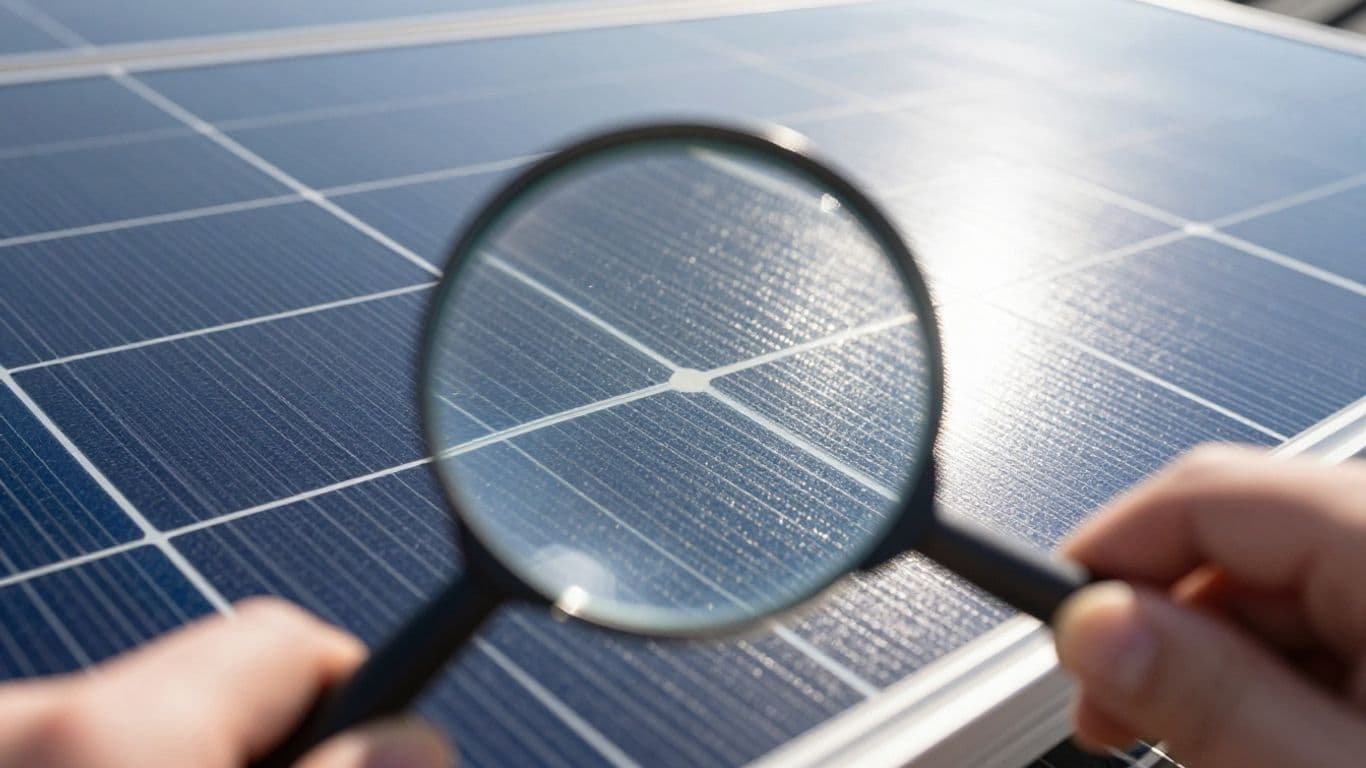
Thinking about going solar? It's a big investment, and you want to make sure the equipment you choose is safe, reliable, and will perform as expected for years to come. This podcast episode sits down with Cherif Kedir, CEO of the Renewable Energy Test Center (RETC), to pull back the curtain on how solar panels and other essential components are rigorously tested. We'll explore why this independent testing is so important, especially for homeowners looking to maximize their investment and ensure safety.
Key Takeaways
- Independent testing by a neutral party is vital for verifying the safety and performance of solar equipment.
- Solar systems are a significant investment, and testing ensures they last their expected lifespan (typically 25+ years) and perform reliably.
- Beyond panels, inverters, racking, and battery storage systems also undergo critical safety and performance evaluations.
- Abuse testing for batteries is crucial to prevent fires and ensure safety under extreme conditions.
- Accelerated testing can simulate decades of real-world wear and tear in just months.
- Homeowners should look for more than just basic safety certifications (like UL 61730) and check for performance certifications (like IEC 61215) on datasheets.
- Choosing cheaper, uncertified modules can be a risky gamble that jeopardizes the entire investment.
Why Independent Testing Matters
When you're investing tens of thousands of dollars in a solar system, you need a neutral party to verify that the products you're buying are safe and will perform as promised. Think of it like food safety inspections – they ensure what you're consuming is up to standard. For solar, the primary concern is safety. These panels are often installed on your roof, and the last thing anyone wants is a fire hazard.
Beyond safety, there's the performance aspect. Solar systems are designed to last 25 years or more, with manufacturers often warranting 80% of their initial power output after that time. Independent testing helps confirm that the equipment will indeed meet these long-term performance expectations, allowing you to reap the rewards of your investment beyond just breaking even.
Beyond The Panels: Testing All Components
A solar power system is more than just the panels on your roof. It includes several critical components, all of which are tested:
- Solar Modules (Panels): These capture sunlight and convert it into DC electricity.
- Inverters: They convert the DC electricity from the panels into AC electricity, which your home uses.
- Racking Systems: These securely mount the panels to your roof, needing to withstand wind, snow, and prevent roof leaks.
- Battery Storage Systems: Increasingly important, especially under new utility rate structures, these store excess energy generated during the day for use at night or during outages.
Each of these components has unique testing requirements to ensure they function correctly and safely within the larger system.
Battery Safety: A Critical Concern
With the rise of battery storage, especially for homeowners in California dealing with NEM 3.0, battery safety is paramount. These systems go through rigorous abuse testing, simulating extreme conditions like puncturing to ensure they won't catch fire. While performance testing happens at facilities like RETC in Fremont, California, the more extreme safety tests, like those involving fire risks, are often conducted in specialized labs overseas. This testing is crucial because batteries can lose capacity in cold weather, and understanding their performance across different seasons is key to sizing a system that provides adequate backup power.
How Solar Modules Are Put Through Their Paces
Solar module testing generally falls into three main categories:
- Safety Testing: This is the most critical. It ensures the module won't start a fire, electrocute someone, or create sharp glass shards that could cause injury.
- Performance Testing: This measures how much power a module produces when new and how its output changes over time under various conditions (like heat and cold). This data is used to model the system's expected energy generation accurately.
- Reliability Testing: This assesses how well the module holds up outdoors over its lifespan. It simulates exposure to rain, hail, snow, intense sun (UV exposure), and high humidity. For instance, one test involves subjecting modules to 85°C heat and 85% humidity for 42 days straight – essentially a very harsh, prolonged sauna.
Simulating Decades of Wear
How can labs predict a module's performance over 25 years when the module has only been available for a short time? Through accelerated testing. A key protocol, developed years ago, uses a sequence of tests to predict long-term durability. For example, UV exposure tests can simulate one year of sun in just three days. This allows manufacturers and testing centers to forecast how a module will degrade over its expected lifetime in a matter of months, not years. This accelerated testing is what allows for the creation of indices that highlight top-performing modules.
What This Means for CA Homeowners Under NEM 3.0
Under California's Net Energy Metering (NEM) 3.0, the economics of solar have shifted. Exporting excess energy back to the grid is no longer as lucrative. This makes self-consumption – using the solar energy you generate directly – much more important. This is where battery storage becomes almost essential for making a solar investment financially viable. By storing the energy your panels produce during the day, you can use it in the evening, significantly reducing your reliance on grid electricity, which is now more expensive to buy back than it was under previous NEM rules.
Testing ensures that both your solar panels and your battery system are reliable and safe, maximizing your ability to use your own clean energy.
Choosing Wisely: Price vs. Quality
It's tempting to go for the cheapest solar panels you can find, but Cherif strongly advises against it. While the module cost is a relatively small part of the overall system price (labor, permitting, and installation make up the bulk), choosing low-cost, potentially substandard modules introduces a huge risk. A system that fails after a few years means you won't recoup your investment, and you'll be left with a costly problem.
Independent testing shows that about 30% of modules tested fail spectacularly. It's far better to invest in reliable, well-tested modules that are certified for both safety and performance. Look for certifications beyond just basic safety (like UL 61730) and check datasheets for performance certifications (like IEC 61215). Resources like the PV Module Index, published annually by RETC, can help homeowners identify top-performing products.
Ultimately, solar is a long-term investment in your home and the environment. Ensuring the quality and safety of the equipment through rigorous testing provides peace of mind and protects your significant financial commitment.
Keep reading
Dyson's Farming Secret: How They Cracked Vertical Farming Profitability
The world of vertical farming has been a tough one, with many companies struggling to turn a profit despite significant investment. However, the innovative approach of Dyson, a company known for its engineering prowess, might just have found the key to making it work. This isn't just about growing strawberries; it's about a smarter, more sustainable way to produce food. Key Takeaways * Energy Costs are the Biggest Hurdle: Traditional vertical farms use massive amounts of electricity for ligh
ReadWhy I’ll Never Fix My Bike Again: Lessons from a Weekend Wreck
This weekend, I thought I'd finally get around to fixing my bike. It seemed simple enough, but let's just say things didn't go as planned. Turns out, DIY repairs can sometimes leave you worse off than before. Key Takeaways * YouTube tutorials often make repairs look way easier than they are. * Getting grease everywhere is just part of the process. * Having a friend to help means nothing if they don't show up. * Sometimes, it’s best to leave these things to the pros. Setting The Scene: M
ReadHow to Download Your Green Button Data for NEM 3.0 Solar Planning
If you are a California homeowner considering solar, you have likely heard about NEM 3.0. It is a major shift in how utilities credit for solar power, making accurate system design more critical than ever. To build a system that actually saves you money, you need to understand your exact energy usage patterns by downloading your Green Button interval data. Key takeaways for NEM 3.0 * Data is power: Your utility bill is only a summary; your Green Button interval data provides the specific usa
ReadReady to design your system?
Free quote, transparent pricing, owner-reviewed design.