Why the Future of Home Energy Storage Isn't Just Lithium
The way we power our homes is undergoing a quiet but massive shift. While most people have heard of lithium-ion batteries, a new contender—sodium-ion—is emerging from the laboratory and onto the grid. For homeowners in Southern California, this transition suggests a more stable, affordable future for residential energy storage. Key takeaways for your home energy system * Material abundance: Unlike lithium, which faces supply chain volatility, sodium is incredibly common and inexpensive to so
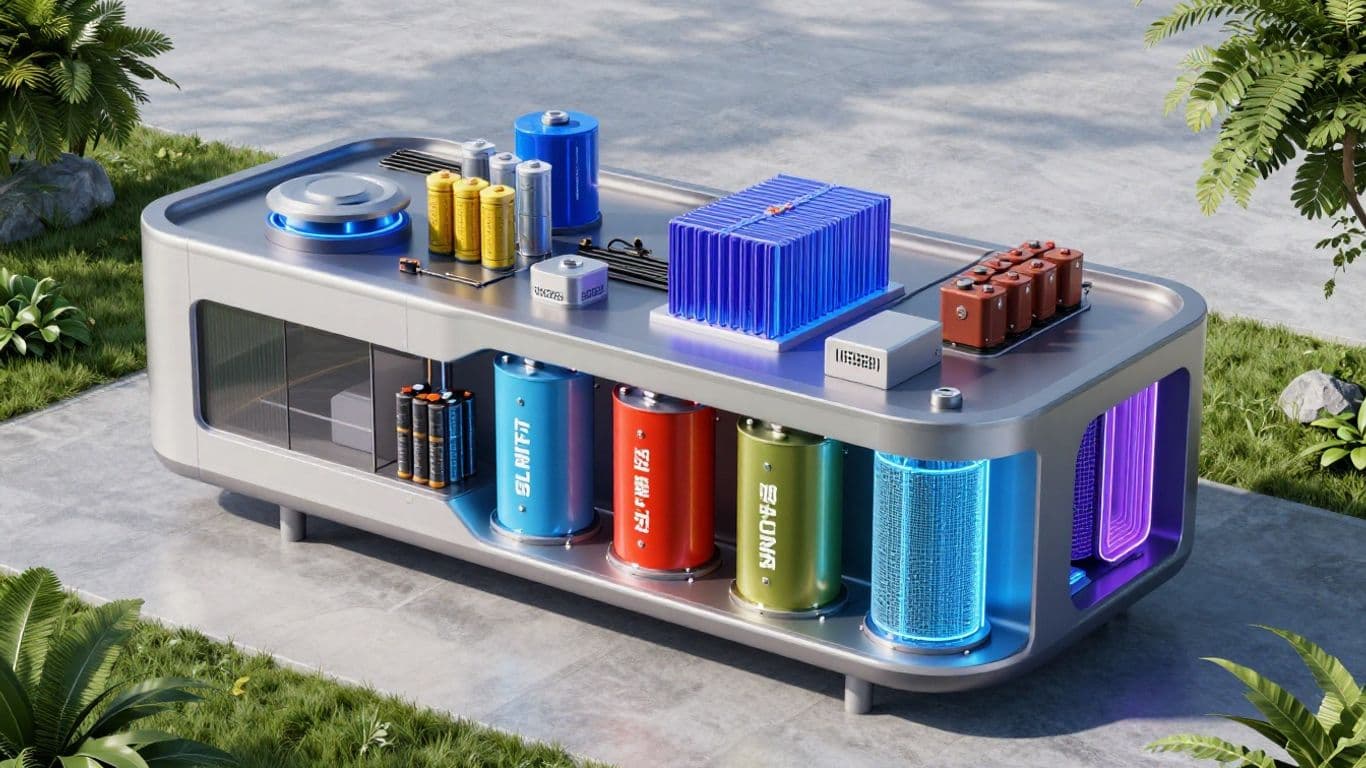
The way we power our homes is undergoing a quiet but massive shift. While most people have heard of lithium-ion batteries, a new contender—sodium-ion—is emerging from the laboratory and onto the grid. For homeowners in Southern California, this transition suggests a more stable, affordable future for residential energy storage.
Key takeaways for your home energy system
- Material abundance: Unlike lithium, which faces supply chain volatility, sodium is incredibly common and inexpensive to source.
- Cold-weather performance: Sodium-ion batteries maintain high capacity even in extreme temperatures, a common weak point for standard lithium setups.
- Long-term reliability: These systems are designed for thousands of cycles, offering decades of service life for your residential backup.
- Stable pricing: By utilizing common materials, battery manufacturers can reduce the price swings we've seen in the lithium market, making your future solar investment more predictable.
The reality of grid-scale storage
When you install solar panels on your roof, you are essentially generating power in real-time. Because the grid needs to balance supply and demand every single second, your ability to store that energy for nighttime use is crucial. At Helios Energy Global, we emphasize that solar isn't just about the panels on your roof; it is about the complete ecosystem—how you store and use that power.
Modern grid storage systems are shifting toward these new sodium chemistries. If you are a homeowner, you might not worry about what’s inside the battery container, but the fact that these batteries are becoming cheaper and more durable is excellent news for your long-term energy independence. While lithium remains the king of high-performance vehicles where weight is everything, stationary home storage has different priorities. For your house, a reliable, safe battery that lasts for 20-plus years matters much more than shaving off a few pounds of weight.
Rethinking your solar strategy under NEM 3.0
For those of us living under current California energy policies like NEM 3.0, the financial logic of solar has shifted. The days of relying on the grid to act as your "infinite battery" are mostly behind us. Today, the most effective way to protect your budget is to prioritize self-consumption. That means producing your power during the day and banking it for the evening peak rates.
This is where the engineering of the battery really starts to pay off for your wallet. If battery costs continue to drop, as they are expected to with these new, abundant chemical alternatives, the payback period for your residential solar installation shortens significantly.
| Feature | Lithium-ion | Sodium-ion |
|---|---|---|
| Abundance | Moderate | Very High |
| Thermal Stability | Good | Excellent |
| Cycle Life | High | Very High |
| Best Use | Vehicles/Portable | Grid/Residential Storage |
Why local expertise matters
Choosing a solar and battery system is a big commitment. You want a design that isn't just efficient on paper, but built to last in the real-world conditions of Southern California. We’ve found that transparency is the most important part of the process. We don't believe in high-pressure tactics or confusing markups. Instead, we focus on custom-designed, aesthetically intentional systems that give you confidence in your investment.
As we look ahead, the integration of diverse battery chemistries will only make home energy systems more reliable and accessible. Technology moves fast, but the goal remains the same: putting the power—literally and figuratively—back into the hands of the homeowner. By choosing a system designed with the future of energy storage in mind, you are ensuring that your home remains resilient against rising utility costs and shifting policies.
Keep reading
Supersonic Travel Is Back: What Homeowners Need to Know About the Future of Flight
Supersonic passenger jets are making a comeback, and the excitement is palpable. Companies like Boom Supersonic are developing new aircraft, aiming to bring back the thrill of flying faster than the speed of sound. This isn't just about speed; it's about making supersonic travel accessible and practical for more people. Key Takeaways * Faster Travel: Supersonic jets promise significantly reduced travel times on long-haul routes. * Economic Viability: The focus is on making tickets affordabl
ReadSolar Panels Are Not Worth It
A survey of more than 200 solar homeowners looked at why people are still installing solar in 2026. The answers were practical: long-term savings, backup power, lower monthly bills, and, for a smaller group, environmental benefits. For Southern California homeowners, the right choice now depends heavily on utility rates, battery storage, system pricing, and how much energy you use at home. Key takeaways * Long-term savings ranked first, with 33% of respondents choosing it as their main reaso
ReadTop 5 Best 48V Solar Batteries for 2026: A Buyer's Decision Guide
Selecting the right energy storage system can feel like a tall task, but it is one of the most important steps toward true energy independence. As we move into 2026, 48-volt systems remain the gold standard for off-grid and modular setups, offering homeowners a flexible way to expand their storage capacity without needing to overhaul their entire inverter configuration. At Helios Energy Global, we focus on helping you find a setup that balances performance, aesthetics, and lasting reliability.
ReadReady to design your system?
Free quote, transparent pricing, owner-reviewed design.