Solar Desalination: A Game-Changer for Water and Power?
Imagine a world where we could turn seawater into fresh, drinkable water with zero waste, and in the process, generate clean electricity 24/7. An Australian startup, Soul Diesel, claims they've developed a technology that does just that. This innovative approach tackles the biggest hurdle in desalination: what to do with the leftover salty brine. Key Takeaways * Zero Waste Process: Converts seawater into fresh water and electricity, with the leftover brine crystallized into salt, eliminating
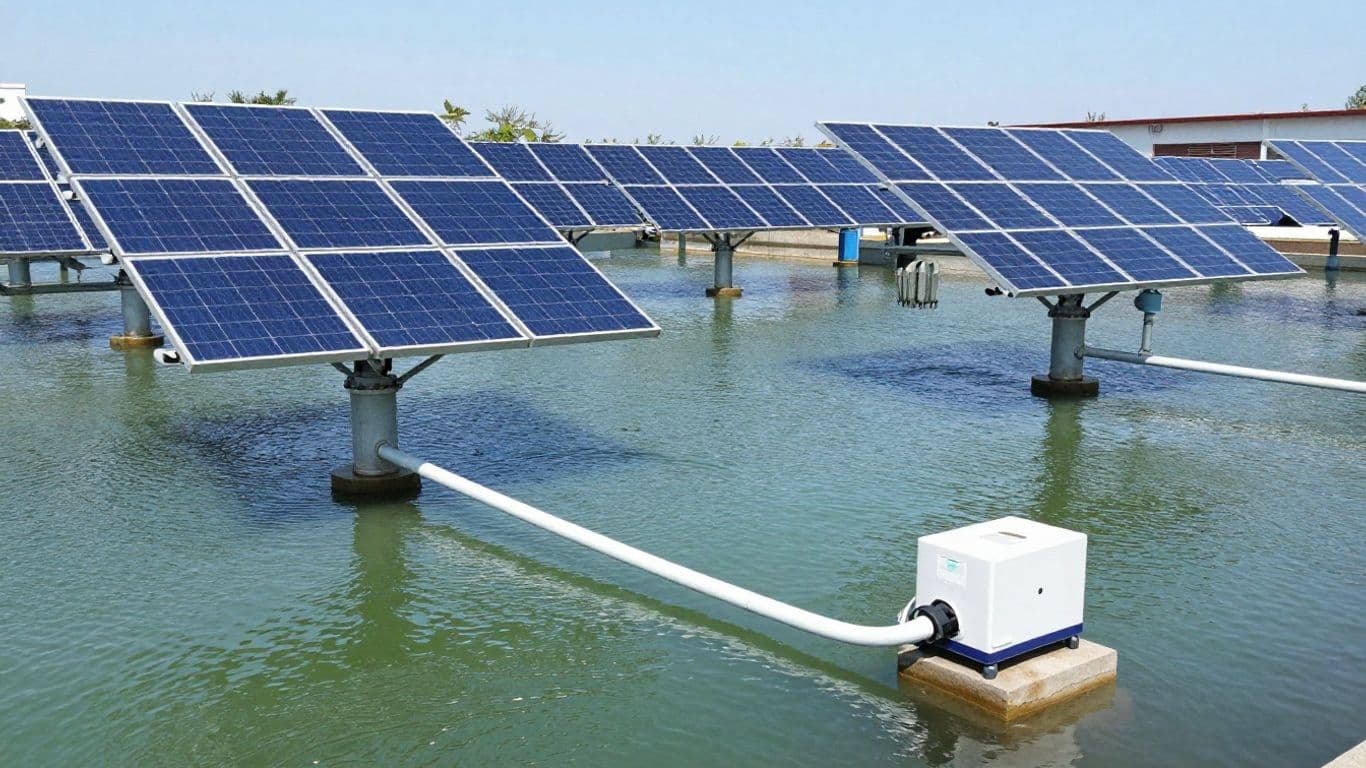
Imagine a world where we could turn seawater into fresh, drinkable water with zero waste, and in the process, generate clean electricity 24/7. An Australian startup, Soul Diesel, claims they've developed a technology that does just that. This innovative approach tackles the biggest hurdle in desalination: what to do with the leftover salty brine.
Key Takeaways
- Zero Waste Process: Converts seawater into fresh water and electricity, with the leftover brine crystallized into salt, eliminating environmental discharge.
- Cost-Competitive Energy: Aims to produce electricity at a significantly lower cost than traditional base load power sources.
- Cheaper Desalinated Water: Projects to offer fresh water at a price point lower than current market rates, even in regions like California.
- Scalable Solution: The technology is designed to be scalable, with potential for large-scale plants to serve entire communities.
- Environmental Benefits: Avoids the environmental damage associated with brine discharge and offers a clean energy source.
The Soul Diesel Concept
Soul Diesel's process uses concentrated sunlight to heat seawater, creating high-temperature steam. This steam drives a turbine to generate electricity. Afterward, the steam is condensed into pure, desalinated water. The crucial innovation lies in what happens next: instead of discarding the concentrated brine, it's sent to a crystallizer and turned into salt. This means only seawater and solar energy go in, and clean drinking water, electricity, and salt come out. The company states their system has zero emissions and zero waste.
Economic and Environmental Advantages
Soul Diesel makes some bold claims about the economics. They aim to sell electricity at $100 per megawatt-hour, which they say is substantially cheaper than diesel plants and competitive with renewables. A key feature is their use of thermal energy storage, allowing the system to provide 24/7 base load power, a challenge for many renewable sources.
A single 50-megawatt plant is projected to produce over 1.7 million gallons of desalinated water daily, enough for about 40,000 people. Their target price for this water is $1.50 per cubic meter, significantly lower than current prices in places like San Diego.
The environmental aspect is equally compelling. By crystallizing brine into salt, Soul Diesel avoids the environmental issues and regulatory hurdles associated with dumping brine back into the ocean. This "zero liquid discharge" approach could streamline the approval process for new plants, reducing costs and time to market. This is particularly relevant in places like California, where desalination projects have faced environmental opposition.
How It Works: A Closer Look
The genius of the Soul Diesel system is how it rethinks the conventional desalination process. Typically, a lot of energy is needed to boil water, and much of that heat is lost during the cooling and condensation phase. Soul Diesel's approach uses the high-temperature steam generated from seawater to power a turbine for electricity. Then, instead of using a separate cooling system, the steam is condensed directly into fresh water, capturing that energy. The leftover heat is used to preheat the incoming seawater, recovering energy that would otherwise be wasted.
The concentrated brine is then processed to produce salt. This multi-pronged approach creates multiple revenue streams and addresses the waste problem head-on. The potential is vast, especially in water-stressed regions that also have abundant sunlight, like the Middle East, North Africa, and parts of South America and Australia.
Challenges and Future Prospects
If this technology is so brilliant, why isn't it already widespread? The primary challenge in desalination is energy. Separating salt from water is inherently difficult. Furthermore, using raw seawater directly in a steam turbine presents a significant engineering hurdle. The "brine carryover effect" means tiny salt particles could damage the turbine blades over time.
Soul Diesel claims their technology is at a "technology readiness level of five," meaning it's been demonstrated in a lab setting but is still a long way from a full-scale commercial plant. They are currently developing a minimum viable product that uses oil instead of solar power, suggesting a phased approach to development.
While the concept is compelling, the economics of producing desalinated water are tough, especially when fresh water is currently relatively cheap. However, the dual benefit of producing both water and electricity could make the economics work. The potential for the salt byproduct to supply the growing demand for sodium-ion batteries is also an interesting angle.
If Soul Diesel can overcome the engineering and economic challenges, their solar desalination process could indeed be a game-changer, especially as water scarcity becomes a more pressing global issue. This technology, much like the development of sodium-ion batteries using abundant materials, offers a promising path forward for essential resources.
Keep reading
Why Home Energy Storage is More Important Than Ever for Californians
It feels like energy reports change every single week lately. Between the grid strain in Southern California and the constant chatter about battery tech, it is getting hard to keep up. I think most of us just want a system that works, saves us some money, and actually looks nice on our roofs. Key takeaways * Large-scale battery production is hitting its stride, which helps keep the grid stable for everyone. * Smarter technology is making residential energy systems more efficient, not just t
ReadWhy the World’s Biggest Hydrogen Plant Isn’t Making Hydrogen—And Why Homeowners Should Care About Energy Economics
In the heart of the Saudi desert, an $8.4 billion project is nearly finished—a gleaming mega-factory powered by sunlight and wind. But here's the twist: despite all the buzz, this plant (the NEOM Green Hydrogen Project) isn’t really exporting hydrogen at all. It's shipping ammonia, instead, and there’s a reason why that matters more than you might think for the world—and for homeowners watching California’s solar changes unfold. Key Takeaways * The world’s largest “hydrogen” plant is actuall
ReadSolarQuest AI: A Clearer Way for California Homeowners to Plan Solar and Batteries
Solar shopping can feel confusing. Panel models change, battery options keep growing, and California incentives and utility rules do not always stay the same. Homeowners are often left wondering how many panels they need, what a system should cost, and whether a battery makes sense. A free AI tool called SolarQuest AI is designed to make those early questions easier to answer. Key takeaways * Solar equipment and California incentives change often, making early research difficult. * SolarQue
ReadReady to design your system?
Free quote, transparent pricing, owner-reviewed design.