NEM 3.0 Math: Should California Homeowners Go Solar Now?
As a California homeowner, you're likely wondering if now is the right time to go solar, especially with the new NEM 3.0 rules in place. This update explores the financial implications and helps you decide if solar is still a smart move for your household. Key Takeaways * NEM 3.0 significantly changes how solar energy is credited, impacting savings. * Battery storage is becoming more important for maximizing solar benefits under NEM 3.0. * Utility-specific rates (SCE, PG&E, SDG&E, LADWP) a
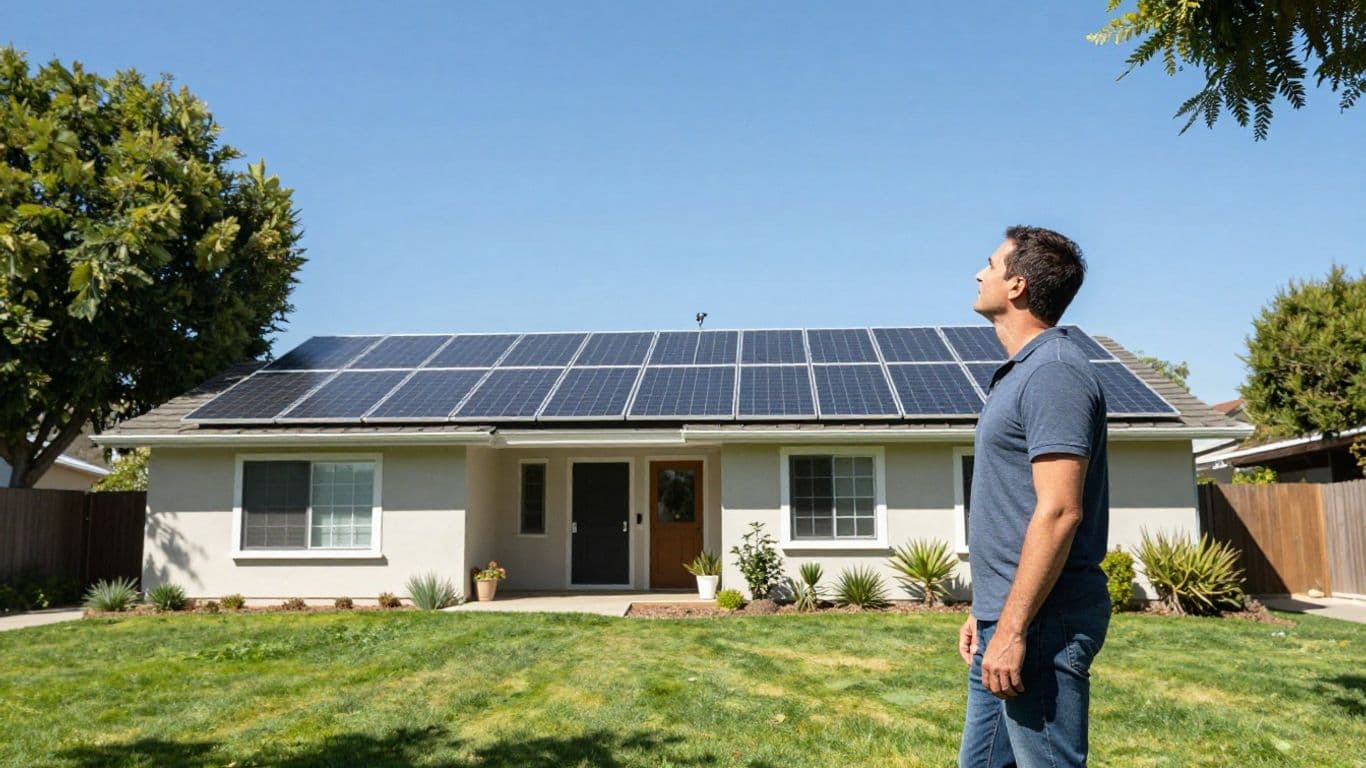
As a California homeowner, you're likely wondering if now is the right time to go solar, especially with the new NEM 3.0 rules in place. This update explores the financial implications and helps you decide if solar is still a smart move for your household.
Key Takeaways
- NEM 3.0 significantly changes how solar energy is credited, impacting savings.
- Battery storage is becoming more important for maximizing solar benefits under NEM 3.0.
- Utility-specific rates (SCE, PG&E, SDG&E, LADWP) affect the exact financial outcome.
- The decision to go solar now depends on your specific energy usage and goals.
Understanding NEM 3.0
Net Energy Metering (NEM) is the policy that allows solar customers to get credit for the excess electricity their solar panels send back to the grid. NEM 3.0, also known as the "Net Billing Tariff," is the latest version of this policy in California. It makes some big changes to how those credits are calculated, generally making them worth less than under the previous NEM 2.0 rules.
Essentially, under NEM 3.0, the value you get for exporting electricity to the grid is lower, especially during midday when solar production is highest. This means the simple math of solar savings changes.
The Role of Battery Storage
Because the export rates are lower with NEM 3.0, storing your excess solar energy in a battery for use later becomes much more attractive. Instead of sending cheap energy to the grid, you can use it yourself when electricity prices are higher, like in the evening.
This shift makes battery systems a more critical part of a solar installation for homeowners looking to maximize their savings. It's not just about producing solar power anymore; it's about managing that power effectively throughout the day.
Utility-Specific Differences
It's important to remember that California has several major utility companies, and their specific rate structures can influence your solar savings:
- Southern California Edison (SCE): Serves a large portion of Southern California.
- Pacific Gas & Electric (PG&E): Covers Northern and Central California.
- San Diego Gas & Electric (SDG&E): Serves San Diego County and parts of Orange County.
- Los Angeles Department of Water and Power (LADWP): A municipal utility serving Los Angeles.
Each utility has its own Time-of-Use (TOU) rates, which determine the price of electricity at different times of the day. NEM 3.0 interacts with these TOU rates, meaning the exact financial benefit of solar and batteries will vary depending on which utility you have.
For example, if your utility's peak electricity prices are in the evening, a battery that stores your solar energy to use during those peak hours will provide a greater financial benefit than if peak prices were during the day.
Making the Decision
So, is going solar still worth it under NEM 3.0? For many California homeowners, the answer is still yes, but the calculation is different. You need to look closely at:
- Your Energy Usage: How much electricity do you use, and when do you use it?
- System Costs: The price of solar panels and, importantly, a battery system.
- Utility Rates: Your specific TOU plan and how NEM 3.0 credits apply.
While the payback period might be longer than it was under NEM 2.0, the long-term benefits of reduced electricity bills and increased home value can still make solar a sound investment. Adding battery storage is often key to making the numbers work favorably.
What This Means If You're in Los Angeles
If you live in Los Angeles and are served by LADWP, the NEM 3.0 rules will apply to your solar installation. LADWP has its own rate structure, and the value of exported solar energy will be based on their specific tariffs. For homeowners in LA, pairing solar with a battery system is likely the most effective way to offset your electricity costs under the new net billing tariff. Understanding your specific LADWP rates and how they interact with solar and battery storage will be crucial for determining your potential savings.
Keep reading
Tesla's Camera Cleaning Patent & Solar Power Surging
Tesla has filed a new patent for a lens cleaning system, potentially solving a long-standing issue for autonomous driving systems. This system, inspired by human eyelids, aims to keep the car's cameras clear of rain, snow, and dirt, which can hinder visibility. The patent suggests it could be retrofitted to existing vehicles, and might even be applicable to Optimus robots. Key Takeaways * Camera Clarity: A new patent aims to keep Tesla's cameras clean, improving autonomous driving reliabilit
ReadLithium Valley: Could California’s Hidden Treasure Change Your Home’s Energy Future?
The Salton Sea is a strange, desolate place that history books might call an environmental disaster. Yet, beneath its toxic salt flats, engineers have discovered a massive deposit of “white gold”—lithium. This discovery could turn Southern California into a global powerhouse for the clean energy transition, directly impacting how you power your home and charge your car. ### Key Takeaways of the Lithium Valley Revolution - The Salton Sea holds enough lithium to potentially meet a massive share of
Read2026 Solar Buyer’s Guide: What the Pros Wish You Knew Before Choosing a System
The solar industry is looking different in 2026—new rules, fresh technology, and much stronger opinions about how solar should be financed and installed. If you’re a homeowner in Southern California, figuring out which system or company to trust can feel overwhelming. This guide unpacks how top solar CEOs see the landscape today, explores how products get chosen, and explains what all these changes mean for regular people trying to make smart energy decisions. Key Takeaways * Standardized, r
ReadReady to design your system?
Free quote, transparent pricing, owner-reviewed design.