Tired of Rising Energy Bills? Understanding NEM 3.0 and Solar for California Homeowners
Energy rates just keep going up, and it feels like there's not much you can do about it. Many homeowners are feeling the pinch, especially with recent changes like NEM 3.0 impacting how solar energy is credited. This guide breaks down the math and what it means for you, particularly if you're in Southern California. Key Takeaways * Utility rates have significantly increased over the past five years, making solar a more attractive option. * NEM 3.0 changes how solar energy exported to the gr
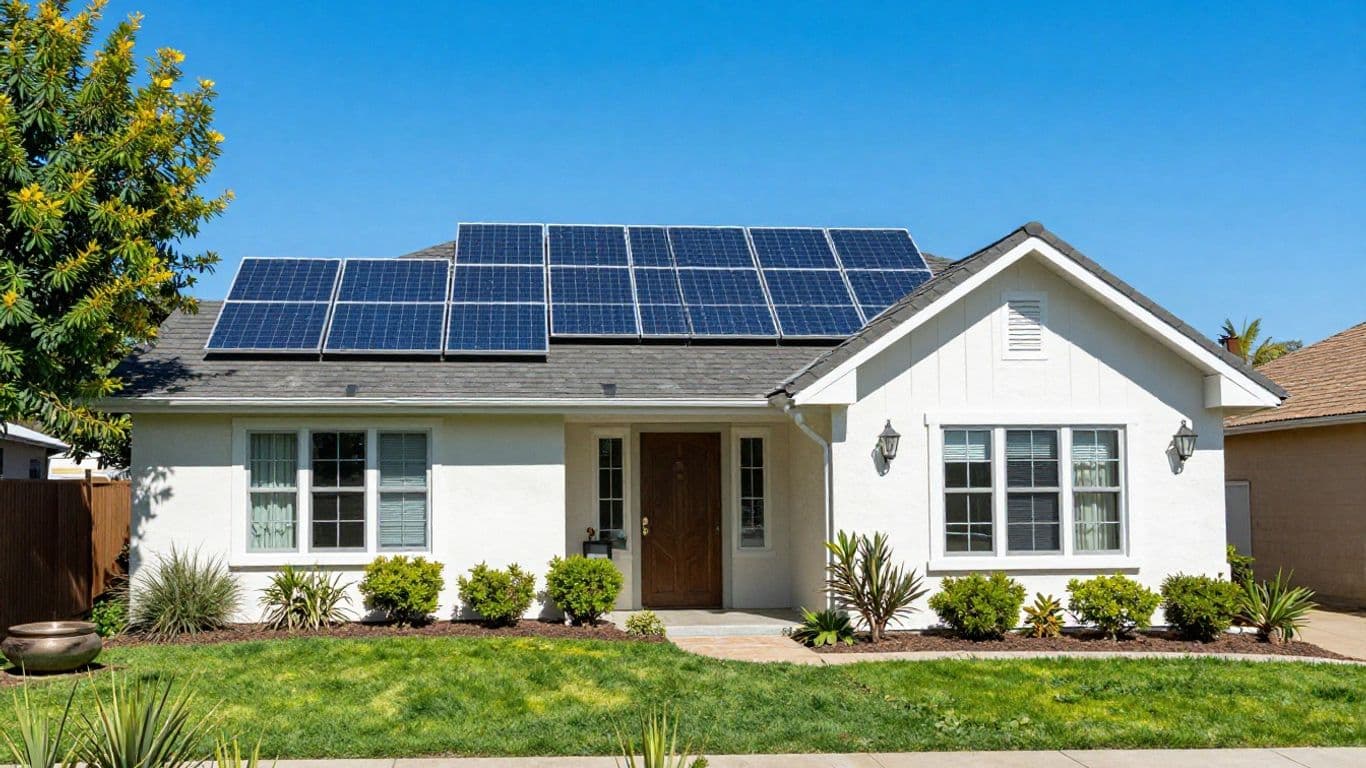
Energy rates just keep going up, and it feels like there's not much you can do about it. Many homeowners are feeling the pinch, especially with recent changes like NEM 3.0 impacting how solar energy is credited. This guide breaks down the math and what it means for you, particularly if you're in Southern California.
Key Takeaways
- Utility rates have significantly increased over the past five years, making solar a more attractive option.
- NEM 3.0 changes how solar energy exported to the grid is compensated, making self-consumption and battery storage more important.
- Understanding your current electricity costs and how Time-of-Use (TOU) rates work is key to making informed decisions.
- Solar offers a way to lock in your energy costs for decades, providing predictable savings.
- Utility companies like SCE, PG&E, and SDG&E have different rate structures and policies that affect solar customers.
The Rising Cost of Electricity
It's a common story: your electricity bill seems to creep up year after year. Five years ago, you might have been paying around 16.5 cents per kilowatt-hour (kWh). Fast forward to today, and that first tier rate is pushing 25 cents per kWh. That's a nearly 70% increase in just five years! This "death by a thousand cuts" makes it hard to ignore the rising costs.
Many people put their bills on auto-pay and don't really look at what they're paying. But it's important to pay attention, especially as utility companies are moving customers to Time-of-Use (TOU) rates. You usually get notified, but you can't opt out. This shift can mean a noticeable increase in your costs right away, often around 10 cents per kWh more than you're used to.
What is NEM 3.0 and Why Does It Matter?
Net Energy Metering (NEM) is the policy that governs how solar customers are credited for the electricity they send back to the grid. NEM 3.0, also known as the "Net Billing Tariff," is the latest iteration in California. The big change here is that the export rates – what you get paid for the electricity you send to the utility – are significantly lower than before.
Under NEM 3.0, the value of exported energy is closer to the wholesale market price, which is much less than the retail rate you pay for electricity. This means that simply sending excess solar power back to the grid isn't as financially beneficial as it was under NEM 1.0 or 2.0. The focus now shifts towards using as much of your solar power as you generate (self-consumption) and potentially storing it in batteries for later use.
How Solar Can Help You Take Control
Going solar is a way to combat these rising rates and gain more control over your energy expenses. When you install solar, you're essentially generating your own electricity. The sun is a free resource, and by harnessing it, you can significantly reduce your reliance on the utility company.
One of the biggest advantages of solar is the ability to lock in your electricity rate. Instead of facing unpredictable increases from your utility, you can secure a fixed rate for your solar energy, often for 25 or even 30 years. For example, a homeowner might lock in a rate of around 13.5 cents per kWh, while the utility's rate is climbing towards 28 cents or more. This creates immediate savings and predictable long-term costs.
Understanding Your Utility's Role (SCE, PG&E, SDG&E, LADWP)
It's important to remember that each utility company in California has its own specific rate structures and policies. Southern California Edison (SCE), Pacific Gas and Electric (PG&E), and San Diego Gas & Electric (SDG&E) all operate under different regulatory frameworks, though they are all subject to state-level NEM policies. The Los Angeles Department of Water and Power (LADWP) has its own unique system.
These differences can affect:
- Base electricity rates: The cost per kWh varies between utilities.
- Time-of-Use (TOU) periods: When peak, off-peak, and super-off-peak hours occur can differ.
- NEM 3.0 implementation: While the core principles of NEM 3.0 are statewide, specific details or transition plans might have nuances.
- Interconnection processes: How quickly and easily solar systems can be connected to the grid.
When considering solar, it's vital to understand the specific implications for your utility provider.
Making the Math Work with NEM 3.0
With NEM 3.0, the economics favor using your solar power directly or storing it. This means:
- Maximize Self-Consumption: Design your system and your energy usage habits to use as much solar power as possible when it's being generated.
- Consider Battery Storage: Batteries allow you to store excess solar energy generated during the day and use it during the evening or when electricity prices are high. This significantly increases the value of your solar investment under NEM 3.0.
- Accurate System Sizing: A properly sized system will meet a larger portion of your energy needs, reducing the amount you need to buy from the utility.
What This Means If You're in Southern California
If you live in Southern California, you're likely served by SCE or SDG&E (or LADWP if you're in Los Angeles). The rising rates and the shift to NEM 3.0 mean that delaying a solar decision could cost you more in the long run. By going solar now, you can lock in lower energy costs for decades, hedge against future utility rate hikes, and potentially add battery storage to maximize your savings and energy independence. Understanding your specific utility's rates and how NEM 3.0 affects them is the first step to making a smart decision for your home's energy future.
Ready to design your system?
Free quote, transparent pricing, owner-reviewed design.