SoCal Homeowner's Solar + Battery Journey: Battling High Bills and NEM 3.0
A Southern California homeowner was tired of unpredictable, sky-high electricity bills and the looming threat of NEM 3.0. Facing monthly costs that sometimes hit $400, they decided it was time to explore solar and battery storage. This case study dives into their decision-making process, the system sizing, and what it means for other homeowners in the LA, Orange County, and Inland Empire areas. Key Takeaways * High electricity bills ($400+ monthly) were the primary motivator. * NEM 3.0 conc
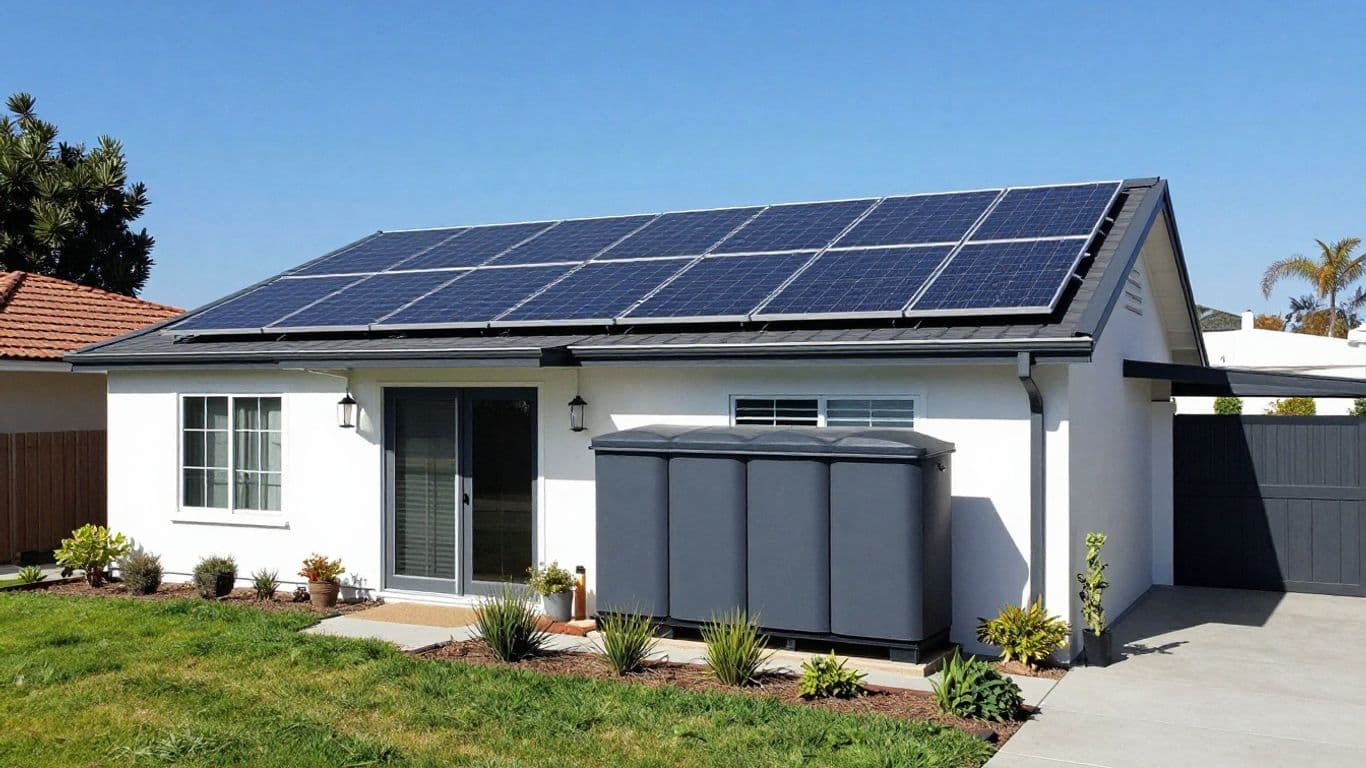
A Southern California homeowner was tired of unpredictable, sky-high electricity bills and the looming threat of NEM 3.0. Facing monthly costs that sometimes hit $400, they decided it was time to explore solar and battery storage. This case study dives into their decision-making process, the system sizing, and what it means for other homeowners in the LA, Orange County, and Inland Empire areas.
Key Takeaways
- High electricity bills ($400+ monthly) were the primary motivator.
- NEM 3.0 concerns pushed for a proactive solar + battery solution.
- System sizing was critical to offset usage and maximize savings.
- Battery storage is key for maximizing self-consumption under NEM 3.0.
The Sticker Shock: A SoCal Homeowner's Electric Bill Woes
Like many in Southern California, this homeowner experienced the frustration of fluctuating and often exorbitant electricity bills. One month, the bill could be manageable, but the next, it might jump to a staggering $400. This unpredictability made budgeting difficult and highlighted a growing reliance on the grid.
The situation was compounded by the introduction of Net Energy Metering 3.0 (NEM 3.0). This new policy significantly reduced the export rates for solar energy sent back to the grid, making it less financially attractive for new solar installations to rely solely on selling excess power. For homeowners considering solar, the message was clear: maximize your self-consumption, and that means pairing solar with battery storage.
Sizing Up the Solution: How Much Solar and Battery Was Needed?
To tackle the high bills and prepare for NEM 3.0, the homeowner needed a system that could cover their energy needs effectively. After analyzing their past electricity usage, the goal was to offset as much of their consumption as possible.
Their average monthly usage was around 1,200 kWh. To meet this demand, a solar panel system was sized to generate approximately 10.5 kW. This size was chosen to produce enough energy throughout the year to significantly reduce their reliance on the utility company.
Crucially, a battery storage system was integrated. The chosen battery had a capacity of 10 kWh. This allows the homeowner to store excess solar energy generated during the day and use it during the evening or during peak hours when electricity rates are typically higher. Under NEM 3.0, this stored energy is far more valuable than exporting it to the grid at lower rates.
The Numbers: Investment and Estimated Savings
The total cost for the solar panel system and the battery was approximately $30,000. While this is a significant investment, the potential for long-term savings is substantial.
Based on their previous bills, the homeowner was spending roughly $400 per month, totaling $4,800 annually on electricity. With the new solar and battery system, the estimated annual savings are projected to be around $4,000. This means the system could pay for itself in approximately 7.5 years.
Here's a quick breakdown:
| Item | Cost |
|---|---|
| Solar System (10.5kW) | $20,000 |
| Battery (10kWh) | $10,000 |
| Total Investment | $30,000 |
| Item | Annual Cost/Savings |
|---|---|
| Previous Electricity Bill | $4,800 |
| Estimated Solar Savings | $4,000 |
| Net Annual Cost | $800 |
What This Means for Solar + Battery in LA, OC, and Inland Empire Under NEM 3.0
This homeowner's experience is becoming increasingly common across Southern California, especially in areas like Los Angeles, Orange County, and the Inland Empire. The shift to NEM 3.0 has fundamentally changed the economics of solar power.
Previously, homeowners could rely on earning credits for exporting excess energy to the grid. Now, the focus must be on using as much of the generated solar power as possible on-site. This is where battery storage becomes almost essential for new solar installations aiming for maximum financial benefit.
By pairing solar panels with a battery, homeowners can:
- Reduce reliance on grid electricity during peak hours: Use stored solar energy instead of buying expensive power from the utility.
- Maximize the value of generated solar: Store excess energy for later use rather than exporting it at lower NEM 3.0 rates.
- Gain energy independence: Have a backup power source during grid outages.
For those in the LA, OC, and Inland Empire regions contemplating solar, understanding NEM 3.0 and the role of battery storage is key. While the upfront cost is higher, the long-term savings and protection against rising utility rates make it a compelling option for many homeowners looking to take control of their energy future.
Ready to design your system?
Free quote, transparent pricing, owner-reviewed design.