SoCal Homeowner Tackles High Electric Bills and Outages: A NEM 3.0 Solar+Battery Case Study
A homeowner in Southern California was facing a double whammy: rising electricity bills and disruptive power outages. Their utility bill had climbed to $450 per month, and they were experiencing frequent blackouts. To address this, they decided to explore solar power, specifically looking at a 7.2 kW system paired with a 10 kWh battery. This case study examines their situation and what it means for other homeowners in the LA, Orange County, and Inland Empire areas under the new NEM 3.0 regulatio
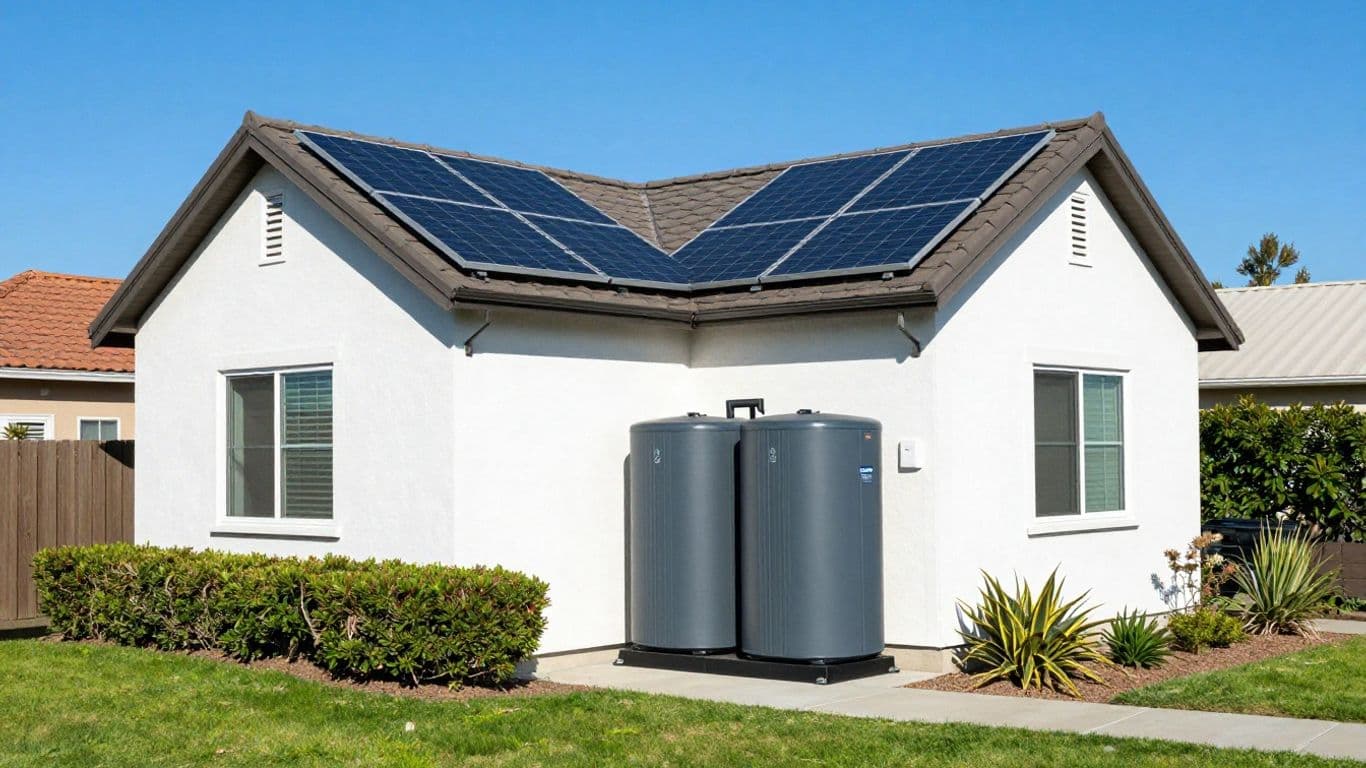
A homeowner in Southern California was facing a double whammy: rising electricity bills and disruptive power outages. Their utility bill had climbed to $450 per month, and they were experiencing frequent blackouts. To address this, they decided to explore solar power, specifically looking at a 7.2 kW system paired with a 10 kWh battery. This case study examines their situation and what it means for other homeowners in the LA, Orange County, and Inland Empire areas under the new NEM 3.0 regulations.
Key Takeaways
- High electricity bills ($450/month) and frequent outages were the primary motivators for seeking a solar solution.
- A 7.2 kW solar system with a 10 kWh battery was considered.
- NEM 3.0 significantly impacts the economics of solar and battery storage for new installations in Southern California.
The Problem: Rising Costs and Unreliable Power
Like many in Southern California, this homeowner was feeling the pinch of escalating electricity costs. A monthly bill of $450 is a significant expense, and it's only expected to go up. On top of the financial burden, unpredictable power outages were causing inconvenience and potential damage to appliances. Relying on the utility company for consistent power was no longer a viable option.
Exploring Solar and Battery Solutions
To combat these issues, the homeowner looked into a solar panel system. The proposed setup included a 7.2 kW solar array, which is a common size for many residential homes, designed to offset a significant portion of their electricity usage. Crucially, it was to be paired with a 10 kWh battery storage system. This battery is key for several reasons:
- Backup Power: During grid outages, the battery can power essential home appliances, providing a crucial safety net.
- Energy Shifting: It allows homeowners to store excess solar energy generated during the day and use it during peak evening hours when electricity rates are typically highest, further reducing reliance on the utility.
Understanding NEM 3.0 and Its Impact
The landscape for solar in California changed significantly with the implementation of Net Energy Metering 3.0 (NEM 3.0). For new solar customers, NEM 3.0 reduces the export rate – the credit you receive for sending excess solar energy back to the grid. This makes the "all-in" solar plus battery storage solution more financially attractive, as the battery becomes essential for maximizing the value of self-generated solar power.
Under NEM 3.0, the value of exporting electricity to the grid is lower than before. This means that simply having solar panels might not provide the same level of savings as it did under previous net metering rules. The battery storage system becomes more important because it allows homeowners to use their solar energy directly or shift it to times when grid electricity is most expensive, rather than selling it back to the utility at a lower rate.
What This Means for Solar+Battery in LA/OC/Inland Empire
For homeowners in the Los Angeles, Orange County, and Inland Empire areas considering solar and battery storage, NEM 3.0 means a few things:
- Battery is Key: Pairing solar with a battery is no longer just a nice-to-have for backup power; it's becoming a necessity to achieve significant long-term savings under the new export rates.
- Payback Periods May Lengthen: Without a battery, the payback period for a solar-only system might increase due to lower export credits.
- Focus on Self-Consumption: The economics favor using as much of your generated solar power as possible within your home, which is exactly what a battery enables.
- Incentives Matter: While NEM 3.0 changed export rates, there may still be federal tax credits and local incentives available that can help offset the upfront cost of solar and battery systems.
This homeowner's situation highlights the growing need for reliable and cost-effective energy solutions in Southern California. As utility costs continue to rise and grid reliability remains a concern, solar paired with battery storage offers a path towards greater energy independence, especially under the evolving NEM 3.0 framework.
Ready to design your system?
Free quote, transparent pricing, owner-reviewed design.