NEM 3.0 Math: Should California Homeowners Still Go Solar?
Thinking about solar for your California home, especially with NEM 3.0 in play? It's a big decision, and understanding the numbers is key. This guide breaks down how solar works with your utility bill, what to watch out for, and how to make sure you're getting the most out of your system. Key Takeaways * Monitor Your System: Regularly check your solar production app to ensure your system is working correctly. * Understand Your Bill: Learn to read your utility bill, especially the "True Up"
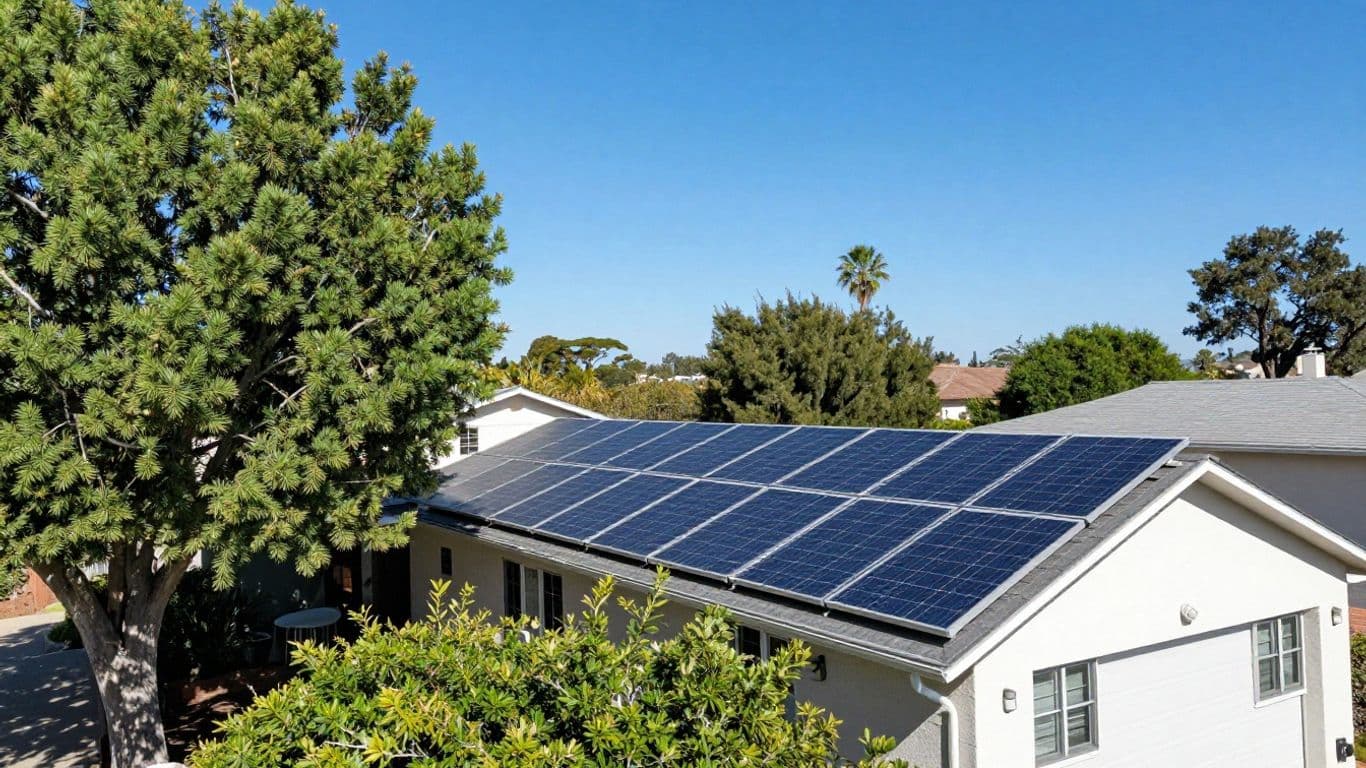
Thinking about solar for your California home, especially with NEM 3.0 in play? It's a big decision, and understanding the numbers is key. This guide breaks down how solar works with your utility bill, what to watch out for, and how to make sure you're getting the most out of your system.
Key Takeaways
- Monitor Your System: Regularly check your solar production app to ensure your system is working correctly.
- Understand Your Bill: Learn to read your utility bill, especially the "True Up" statement, to avoid surprises.
- Size It Right: Properly sizing your solar system based on your energy usage is crucial for maximizing savings.
- Utility Differences: Be aware that specific rules and rates can vary between utility companies like SCE, PG&E, and SDG&E.
Why Monitoring Your Solar Production Matters
When you get solar panels, they come with an app – either SolarEdge or Enphase. This app is your window into how much energy your system is producing. It's not just cool to see how much power you're generating; it's important. Think of it like checking the oil in your car. If your system stops producing as much as it should, you need to know so you can get it fixed. One homeowner, for example, didn't download their app for months after installation. When they finally checked, they realized their system wasn't working right, and they were surprised by their utility bill. Catching these issues early can save you a lot of money and headaches.
Understanding Your Utility Bill and the "True Up"
Your utility bill, especially after you have solar, can look a bit confusing. The main thing to understand is the "True Up." This is essentially your annual solar reconciliation. Your utility company tracks how much energy you send to the grid and how much you pull from it throughout the year.
- Net Metering: When your solar panels produce more energy than you're using at that moment, you send the excess back to the grid. This earns you credits.
- Peak vs. Off-Peak: Energy rates change throughout the day. Peak hours (usually late afternoon/early evening) are more expensive than off-peak hours (when the sun is shining and you're likely producing energy).
- The True Up Statement: Once a year, your utility company calculates your net energy usage. If you used more energy from the grid than you sent back, you'll owe money. If you sent back more than you used, you'll have credits. The "True Up" statement shows this final calculation.
It's important to note that the credit you get for exporting energy to the grid is usually at a wholesale rate, not the retail rate you pay for electricity. This is a key part of NEM 3.0.
Sizing Your Solar System Correctly
Figuring out how big of a solar system you need can be tricky, especially if you're in a new home or moving to a larger one. The goal is to size your system based on your historical energy usage. This typically means looking at your past 12 months of electricity bills.
Factors to consider include:
- Home square footage
- Number of people in the household
- Types of appliances used (especially electric ones like AC, hot tubs, electric vehicles)
Under NEM 3.0, you can generally offset up to 110% of your historical usage. Oversizing your system beyond this doesn't usually result in more credits, as the utility won't pay you for excess energy beyond a certain point. It's a "use it or lose it" situation. A good strategy is to aim for a system that covers at least 100% of your usage, with a little buffer to cover peak hour consumption when you might be pulling from the grid at a higher cost.
Utility-Specific Implications
It's vital to remember that each utility company in California has its own specific rules and rates, even under NEM 3.0:
- PG&E (Pacific Gas and Electric): Serves Northern California.
- SCE (Southern California Edison): Serves a large portion of Southern California.
- SDG&E (San Diego Gas & Electric): Serves San Diego County and parts of Riverside County.
- LADWP (Los Angeles Department of Water and Power): A municipal utility serving Los Angeles.
These differences can affect the exact value of your export credits and the structure of your time-of-use rates. Always confirm the specifics with your solar installer and understand how they apply to your local utility.
What This Means If You're in Southern California
If you're a homeowner in Southern California, likely served by SCE or SDG&E (or LADWP if you're in LA), understanding NEM 3.0 is even more critical. The shift in how solar energy export is credited means that maximizing your self-consumption (using the energy your panels produce when they produce it) and understanding your time-of-use rates is more important than ever. While the math has changed, solar can still offer significant savings, but it requires a more informed approach to system design and monitoring. Don't hesitate to ask your installer detailed questions about how NEM 3.0 impacts your specific situation and how to best manage your system's output to align with your usage patterns.
Ready to design your system?
Free quote, transparent pricing, owner-reviewed design.