NEM 3.0 Math: Should California Homeowners Still Get Solar and Batteries?
The recent events in Maui and Tropical Storm Hilary hitting California have highlighted the importance of energy independence and resilience. This guide focuses on the practical math for California homeowners considering solar and battery storage under the new NEM 3.0 regulations, especially for those with SCE, PG&E, or SDG&E. Key Takeaways * Batteries are essential under NEM 3.0: Without a battery, you'll face significant true-up bills, especially in winter. * Analyze your energy usage: Un
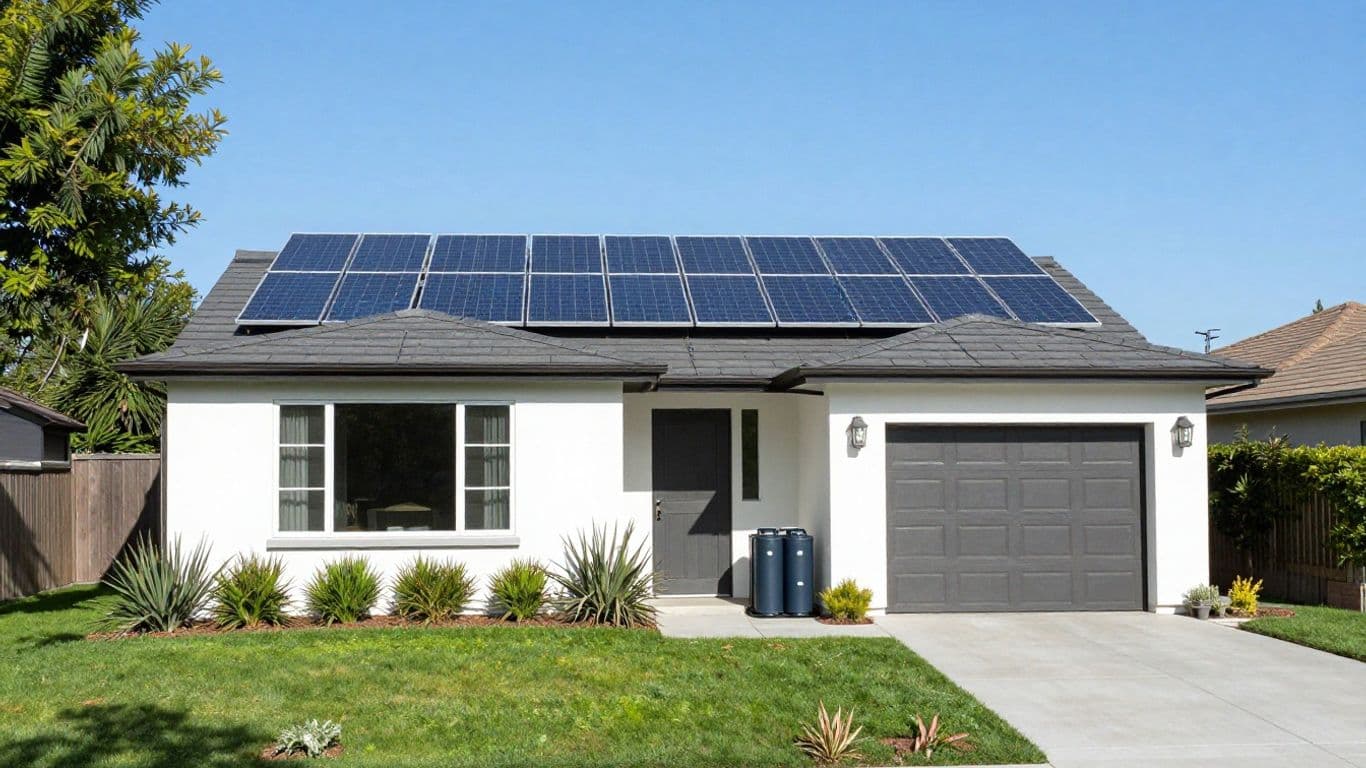
The recent events in Maui and Tropical Storm Hilary hitting California have highlighted the importance of energy independence and resilience. This guide focuses on the practical math for California homeowners considering solar and battery storage under the new NEM 3.0 regulations, especially for those with SCE, PG&E, or SDG&E.
Key Takeaways
- Batteries are essential under NEM 3.0: Without a battery, you'll face significant true-up bills, especially in winter.
- Analyze your energy usage: Understanding your hourly consumption data is crucial for proper system sizing.
- NEM 3.0 is complex: Expect longer installation timelines and a need for patience.
- Solar and batteries still make financial sense: Despite changes, they offer long-term savings and hedge against rising utility rates.
Understanding NEM 3.0 and Its Impact
California's transition to Net Energy Metering 3.0 (NEM 3.0) has changed the financial landscape for solar energy. Unlike the previous NEM 2.0, where excess energy sent to the grid was credited at a higher rate, NEM 3.0 offers significantly lower export rates. This means that simply sending excess solar power back to the utility company is no longer as financially rewarding. The focus has shifted heavily towards self-consumption – using the energy you generate when you generate it, and storing the rest for later use.
This is where batteries become not just a nice-to-have, but a necessity for most California homeowners. Without a battery, any energy your solar panels produce that your home isn't using at that exact moment, and that isn't stored, will be exported to the grid at a much lower rate. When you need power later, especially during peak evening hours or on cloudy winter days, you'll be buying it back from the utility at a higher rate. This can lead to substantial annual true-up bills, negating the savings you might expect from solar.
The Role of Batteries in NEM 3.0
Batteries act as your personal energy storage. They capture excess solar energy generated during the day and allow you to use it when the sun isn't shining. Under NEM 3.0, this is critical for maximizing your savings. There are different types of battery setups:
- Self-Consumption Only: These batteries store energy for your use but shut down with the grid during an outage. They don't provide backup power.
- Backup Only: These batteries are solely for power outages and don't help with daily self-consumption.
- Full Self-Consumption and Backup: These are the most comprehensive, offering both daily energy savings and power during outages. Examples include Tesla Powerwalls, SolarEdge batteries (with a backup interface), and Enphase batteries.
For NEM 3.0, a battery that provides both self-consumption and backup is highly recommended. It allows you to use your solar energy efficiently throughout the day and night, significantly reducing your reliance on the utility grid and minimizing those costly true-up bills.
Analyzing Your Energy Usage: The Math Behind the System
To properly size a solar and battery system, you need to understand your home's energy consumption patterns. This isn't just about your total annual usage; it's about when you use energy. Utility companies like PG&E, SCE, and SDG&E provide access to your interval data, often through a "Green Button" download. This data shows your energy usage in 15-minute or hourly intervals.
Why is this important? NEM 3.0's export rates are time-dependent. Your smart meter tracks when you import energy from the grid. If your solar and battery system can't meet your home's demand during peak hours, you'll be buying that energy from the utility. Analyzing your interval data helps determine:
- Peak Demand: How much energy your home uses during the busiest times.
- Winter Consumption: How your energy needs change when solar production is lower.
- Battery Sizing: How many batteries you need to cover your evening and nighttime usage.
For example, if your home consistently uses 27 kWh during peak hours and overnight, and you have a 10 kWh battery, you might need multiple batteries to cover that demand and avoid buying expensive energy from the grid.
Utility-Specific Considerations
While NEM 3.0 applies broadly to investor-owned utilities like PG&E, SCE, and SDG&E, it's worth noting that municipal utilities (like LADWP, SMUD, and others) may still operate under NEM 2.0 rules or have different structures. In these areas, you might be able to offset 100% of your energy usage with solar alone, potentially without needing a battery, as the utility can act as your
Ready to design your system?
Free quote, transparent pricing, owner-reviewed design.