California Homeowners: Is NEM 3.0 Making Your Utility Bills Skyrocket? Here's the Math.
California utility rates just keep climbing, and if you're a homeowner, you're likely feeling the pinch. Many are wondering if going solar is still a good idea, especially with the new Net Energy Metering 3.0 (NEM 3.0) rules. This guide breaks down the numbers and what it means for your decision, particularly if you're in Southern California Edison (SCE), Pacific Gas & Electric (PG&E), or San Diego Gas & Electric (SDG&E) territory. Understanding the Rising Costs Utility companies are consiste
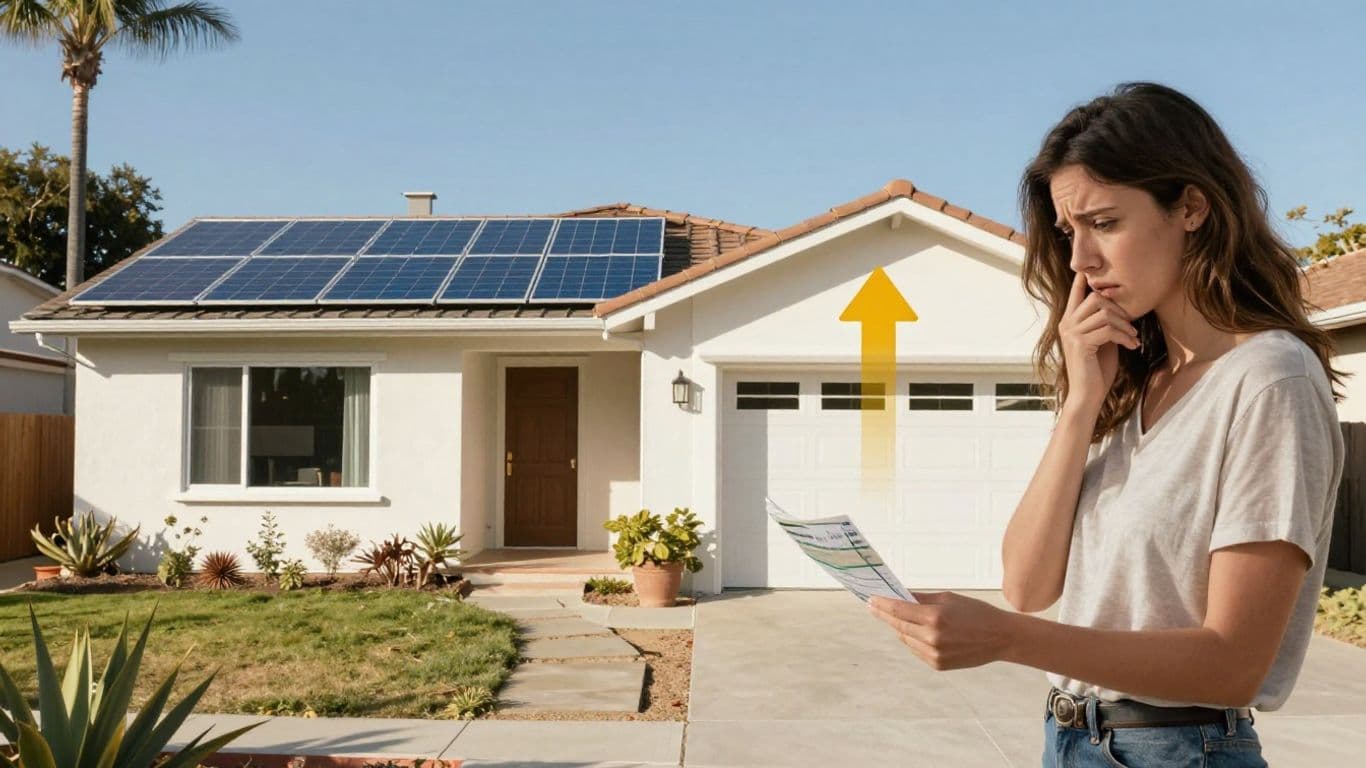
California utility rates just keep climbing, and if you're a homeowner, you're likely feeling the pinch. Many are wondering if going solar is still a good idea, especially with the new Net Energy Metering 3.0 (NEM 3.0) rules. This guide breaks down the numbers and what it means for your decision, particularly if you're in Southern California Edison (SCE), Pacific Gas & Electric (PG&E), or San Diego Gas & Electric (SDG&E) territory.
Understanding the Rising Costs
Utility companies are consistently increasing their rates, and the numbers can be pretty shocking. For instance, PG&E's peak time-of-use rates (4 PM to 9 PM) were around 39 cents per kilowatt-hour (kWh) not too long ago. Fast forward to today, and those same peak rates can be as high as 53 cents per kWh. For San Diego Gas & Electric (SDG&E) customers, the situation is even more dramatic, with rates reaching 82 cents per kWh in some cases. This is more than double what it was just a year or two ago. For a homeowner using 1200 kWh per month, this jump can mean hundreds of dollars more on their monthly bill.
NEM 3.0 and the Need for Storage
If you're a homeowner in California who has been on solar for a while, your original Net Energy Metering agreement is likely expiring. When this happens, you'll automatically be transitioned to NEM 3.0. Under NEM 3.0, simply having solar panels isn't enough to get the full benefit. To truly maximize your savings and offset the rising costs, pairing solar with a battery storage system is now essential. This combination helps you store excess energy generated during the day and use it at night or during peak hours, significantly reducing your reliance on the grid and lowering your "true-up" bill.
Key Takeaways
- Utility rates are increasing significantly. Expect higher costs for electricity, especially during peak hours.
- NEM 3.0 requires solar + storage. To get the most out of solar in California, a battery is no longer optional, it's necessary.
- Storage systems vary. Ensure your battery has backup power capabilities if you're prone to outages, not just self-consumption.
- The 30% federal solar tax credit is still available. This can significantly reduce the upfront cost of a solar and storage system.
- Leasing is a viable option. With rising interest rates, solar leases can offer a lower upfront monthly cost.
The Math Behind Solar and Storage
Gone are the days when just installing solar panels would guarantee massive savings. The new reality under NEM 3.0 means you need to be strategic. By downloading your "green button" data from your utility provider, you can get a clear picture of your energy usage patterns. This data is crucial for properly sizing both your solar system and your battery storage. The goal is to generate enough solar power to cover your daytime needs and store enough to significantly reduce your nighttime or peak-hour energy purchases from the utility.
Solar Leases vs. Purchase
With the cost of borrowing money increasing, solar leases are becoming a more attractive option for many homeowners. Leases often come with a lower initial monthly payment compared to purchasing a system outright. After five years, you typically have the option to buy the system, continue the lease, or have it removed. For those who prefer to own, purchasing the system allows you to take advantage of the 30% federal solar tax credit, which can be applied to the total cost of the system. You can pay cash, finance through a loan, or even explore options like a Home Equity Line of Credit (HELOC).
Beyond NEM 3.0: Other Considerations
It's important to note that not all utility companies in California are affected by NEM 3.0. Municipal utilities like Los Angeles Department of Water and Power (LADWP) and the Sacramento Municipal Utility District (SMUD) operate under different rules, and homeowners there are not subject to NEM 3.0 changes. They still benefit from net metering similar to NEM 2.0. This also applies to most other states across the country where NEM 3.0 is not a factor.
Additionally, if you're considering solar, it's a good time to assess your roof's condition and your home's electrical panel. If your roof needs replacing, you can often bundle the cost of a new roof with your solar installation. Similarly, if your main electrical panel is old or undersized, a main panel upgrade might be necessary, and this can also be integrated into the solar project.
What This Means If You're in Southern California
If you're a homeowner served by SCE or SDG&E, the rising rates and NEM 3.0 rules mean that going solar without storage will likely not provide the significant savings you might expect. The math now strongly favors a solar and battery storage system. While there might be a small "true-up" bill each month under NEM 3.0, the overall reduction in your energy costs, especially when combined with the 30% federal tax credit, makes this a smart investment to lock in your energy costs and protect yourself from future rate hikes. Even with current interest rates, a solar lease can still offer a more predictable and often lower monthly payment than what you're currently paying your utility.
Ready to design your system?
Free quote, transparent pricing, owner-reviewed design.