SoCal Homeowner's Solar Surprise: High Bills and the NEM 3.0 Reality
A recent case study involving a Southern California homeowner highlighted a common issue: unexpectedly high electricity bills, even with a seemingly adequate solar setup. This situation, coupled with the complexities of NEM 3.0, has many homeowners re-evaluating their energy strategies. The homeowner in question was facing bills around $400 per month, despite having a solar system installed a few years prior. This prompted a closer look at their energy consumption and solar production. Underst
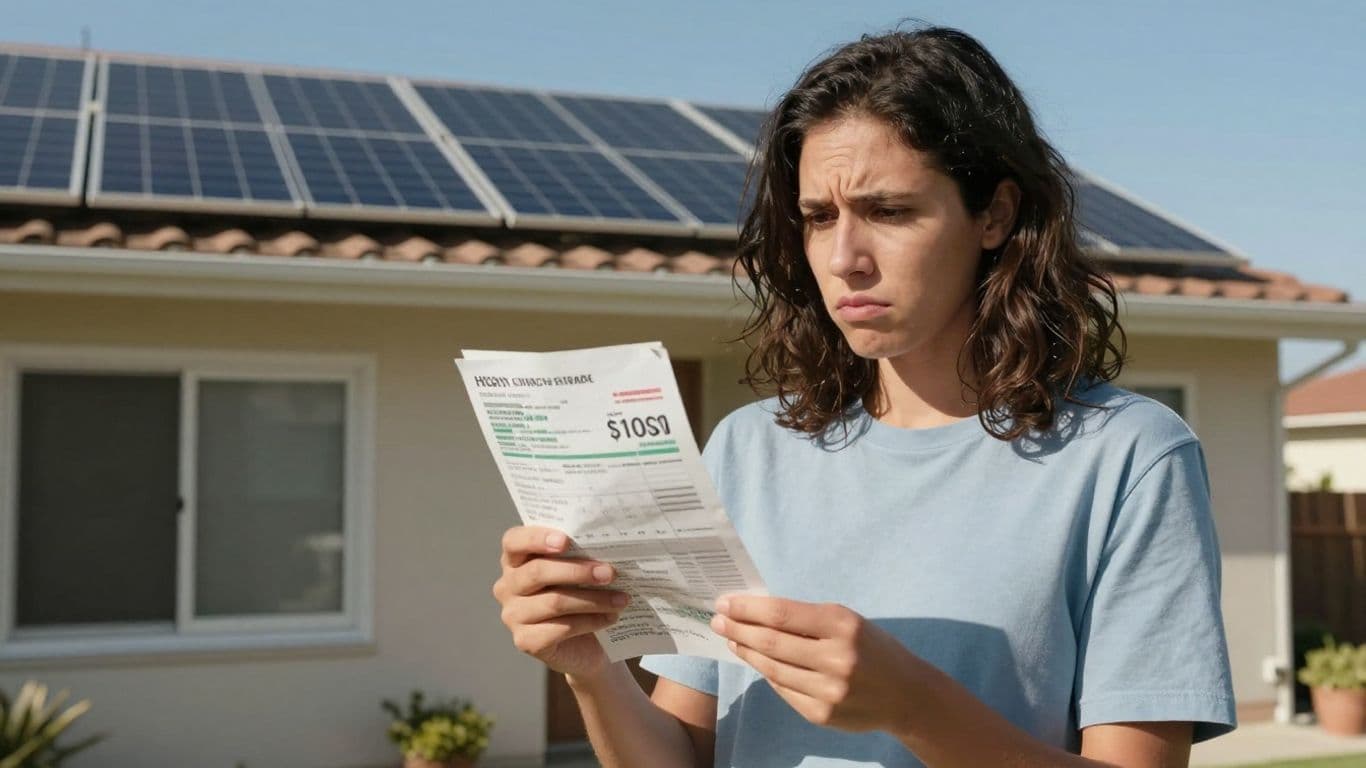
A recent case study involving a Southern California homeowner highlighted a common issue: unexpectedly high electricity bills, even with a seemingly adequate solar setup. This situation, coupled with the complexities of NEM 3.0, has many homeowners re-evaluating their energy strategies. The homeowner in question was facing bills around $400 per month, despite having a solar system installed a few years prior. This prompted a closer look at their energy consumption and solar production.
Understanding the Energy Bill Shock
The homeowner's monthly electricity usage averaged 1,200 kWh. Their existing solar system, however, was only producing about 800 kWh per month. This significant shortfall meant they were still heavily reliant on the grid, especially during peak hours and at night, leading to those high monthly charges. The gap between production and consumption was a clear indicator that the system, while present, wasn't fully meeting their needs under the current utility rate structure.
Key Takeaways
- Production vs. Consumption Gap: The homeowner's solar system produced 400 kWh less per month than their household consumed.
- High Monthly Bills: Despite solar, bills remained high at approximately $400 per month.
- NEM 3.0 Implications: The current utility rate structure makes relying solely on grid power for the deficit very expensive.
The Role of Appliances and Usage Patterns
Digging deeper, the analysis revealed that certain high-consumption appliances were major contributors to the energy deficit. For instance, the air conditioning unit alone was estimated to use around 300-400 kWh per month during warmer periods. Other significant energy users included the electric dryer (around 100 kWh/month), the electric oven (50-70 kWh/month), and even the refrigerator, which consistently draws power (around 150 kWh/month). These numbers paint a clear picture of where the energy is going and why the solar production wasn't enough to offset the costs entirely.
Rethinking Solar with Battery Storage
This scenario underscores the challenges homeowners face, especially with the evolving landscape of net metering policies like NEM 3.0 in California. Under NEM 3.0, the export rates for excess solar energy sent back to the grid are significantly lower than they used to be. This makes it less financially attractive to rely on the grid to cover nighttime usage or periods of low solar production.
For homeowners in Los Angeles, Orange County, and the Inland Empire, this means that a solar-only system might not provide the same level of savings it once did. The key to maximizing savings and achieving energy independence under NEM 3.0 often lies in pairing solar panels with a battery storage system. A battery allows homeowners to store excess solar energy generated during the day and use it at night or during peak hours, reducing their reliance on expensive grid electricity. This approach not only helps offset high bills but also provides a buffer against potential power outages, offering greater energy security.
Ready to design your system?
Free quote, transparent pricing, owner-reviewed design.