SoCal Homeowner's Solar Surprise: High Bills and the NEM 3.0 Reality
A homeowner in Southern California was facing a significant issue with their electricity bills, which had become unexpectedly high. This situation prompted a closer look at their energy consumption and the potential for solar power. The homeowner's current setup was not meeting their needs, leading to a substantial monthly expense. The High Cost of Electricity The homeowner's electricity bill had reached an alarming $500 per month. This high cost was directly linked to their energy usage, whi
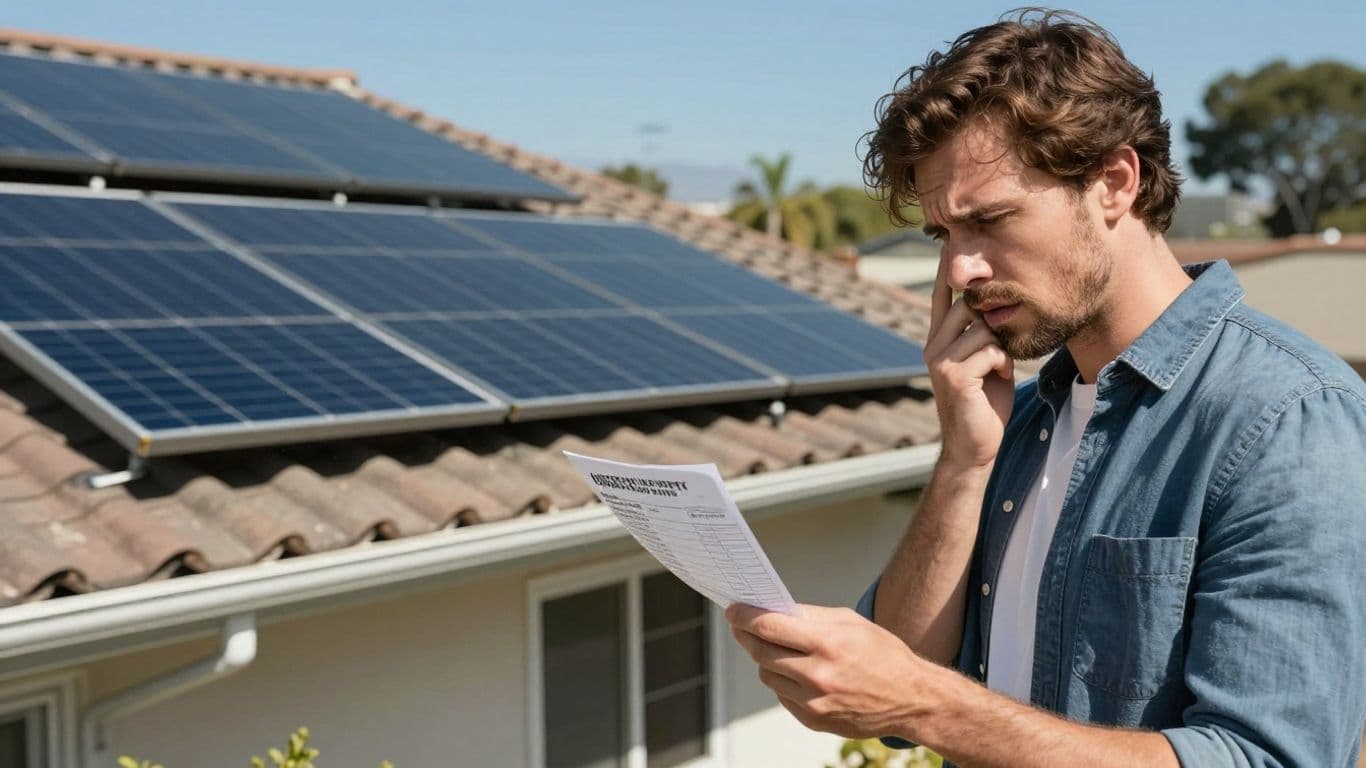
A homeowner in Southern California was facing a significant issue with their electricity bills, which had become unexpectedly high. This situation prompted a closer look at their energy consumption and the potential for solar power. The homeowner's current setup was not meeting their needs, leading to a substantial monthly expense.
The High Cost of Electricity
The homeowner's electricity bill had reached an alarming $500 per month. This high cost was directly linked to their energy usage, which amounted to approximately 1,200 kWh per month. A significant portion of this consumption was attributed to a few key appliances:
- Air Conditioner: Consuming around 400 kWh per month.
- Electric Vehicle Charger: Using approximately 300 kWh per month.
- Pool Pump: Contributing 200 kWh per month.
- Other Appliances (Refrigerator, lights, etc.): Accounting for the remaining 300 kWh.
This breakdown highlights how major energy-consuming appliances can quickly drive up electricity costs, especially in a region like Southern California with its warm climate.
Exploring Solar Solutions
Faced with these high bills, the homeowner began exploring solar energy as a potential solution. The goal was to offset their significant electricity usage and reduce their monthly expenses. However, the transition to solar in California is now heavily influenced by the new Net Energy Metering 3.0 (NEM 3.0) regulations.
Key Takeaways from NEM 3.0:
- Reduced Export Rates: NEM 3.0 significantly lowers the rate at which solar owners are compensated for excess electricity sent back to the grid.
- Focus on Self-Consumption: The new rules incentivize homeowners to use as much of their generated solar power as possible on-site.
- Battery Storage Advantage: Battery systems become more attractive under NEM 3.0, as they allow homeowners to store excess solar energy for later use, rather than exporting it at a low rate.
- Longer Payback Periods: Without careful planning and potentially battery storage, the payback period for solar installations can be extended under NEM 3.0.
What This Means for Solar+Battery in LA, OC, and Inland Empire
For homeowners in Los Angeles, Orange County, and the Inland Empire, the shift to NEM 3.0 means that a simple solar panel installation might not provide the same financial benefits it once did. The high electricity rates in these areas, combined with the lower export credits under NEM 3.0, make battery storage a much more compelling addition to a solar system.
By pairing solar panels with a battery, homeowners can:
- Maximize Self-Use: Store excess solar energy generated during the day for use during peak evening hours when grid electricity is most expensive.
- Reduce Reliance on the Grid: Further decrease their reliance on utility power, especially during times when grid prices are high.
- Potentially Increase Savings: While the upfront cost of a battery is higher, the ability to avoid purchasing expensive grid power can lead to greater long-term savings and a more predictable energy bill.
This case study illustrates the changing landscape of solar energy in California. While solar remains a powerful tool for reducing carbon footprints, homeowners need to be more strategic about their energy solutions, with battery storage playing an increasingly important role in achieving significant financial benefits under NEM 3.0.
Ready to design your system?
Free quote, transparent pricing, owner-reviewed design.